Snow Bros (1990): Nick & Tom Arcade Game - Toaplan's Co-op Classic
Snow Bros arcade game guide and history. Toaplan's 1990 co-op platformer featuring Nick & Tom across 50 stages. Gameplay mechanics, secrets, and legacy.
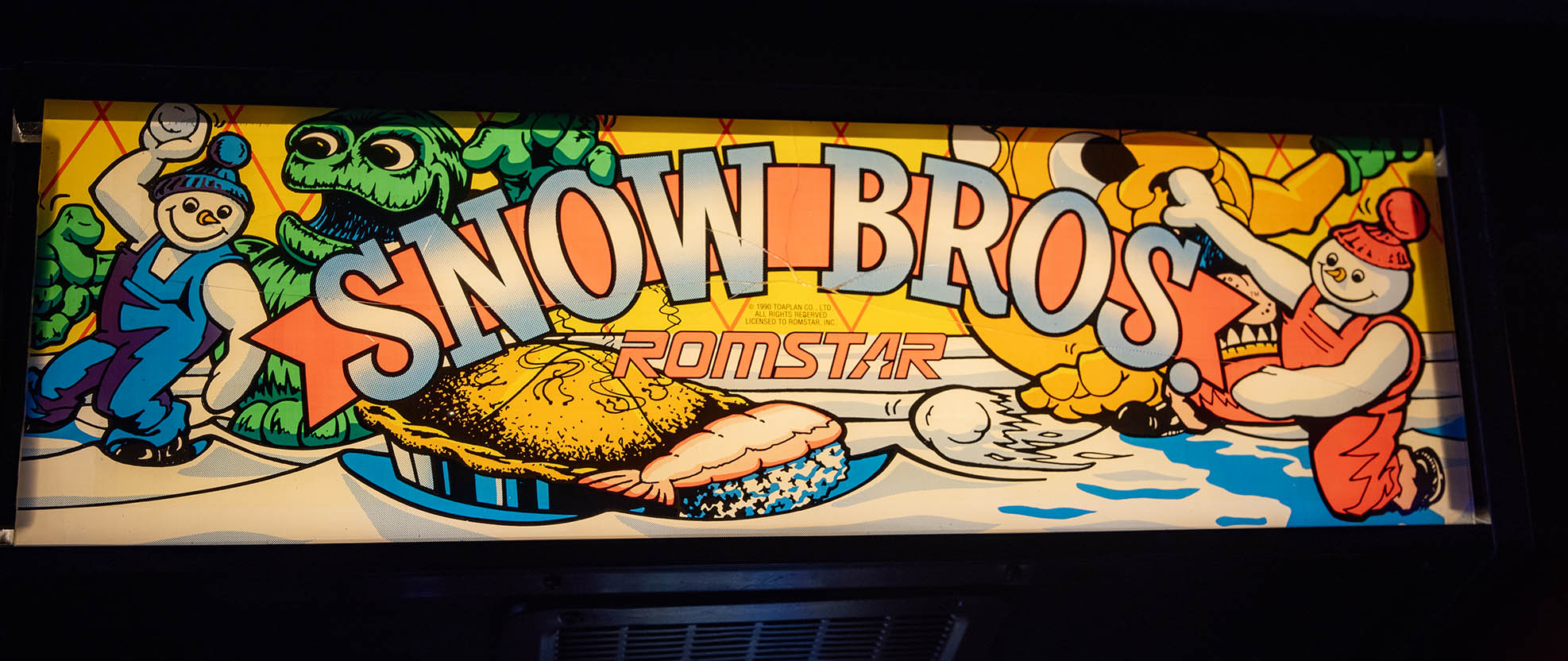
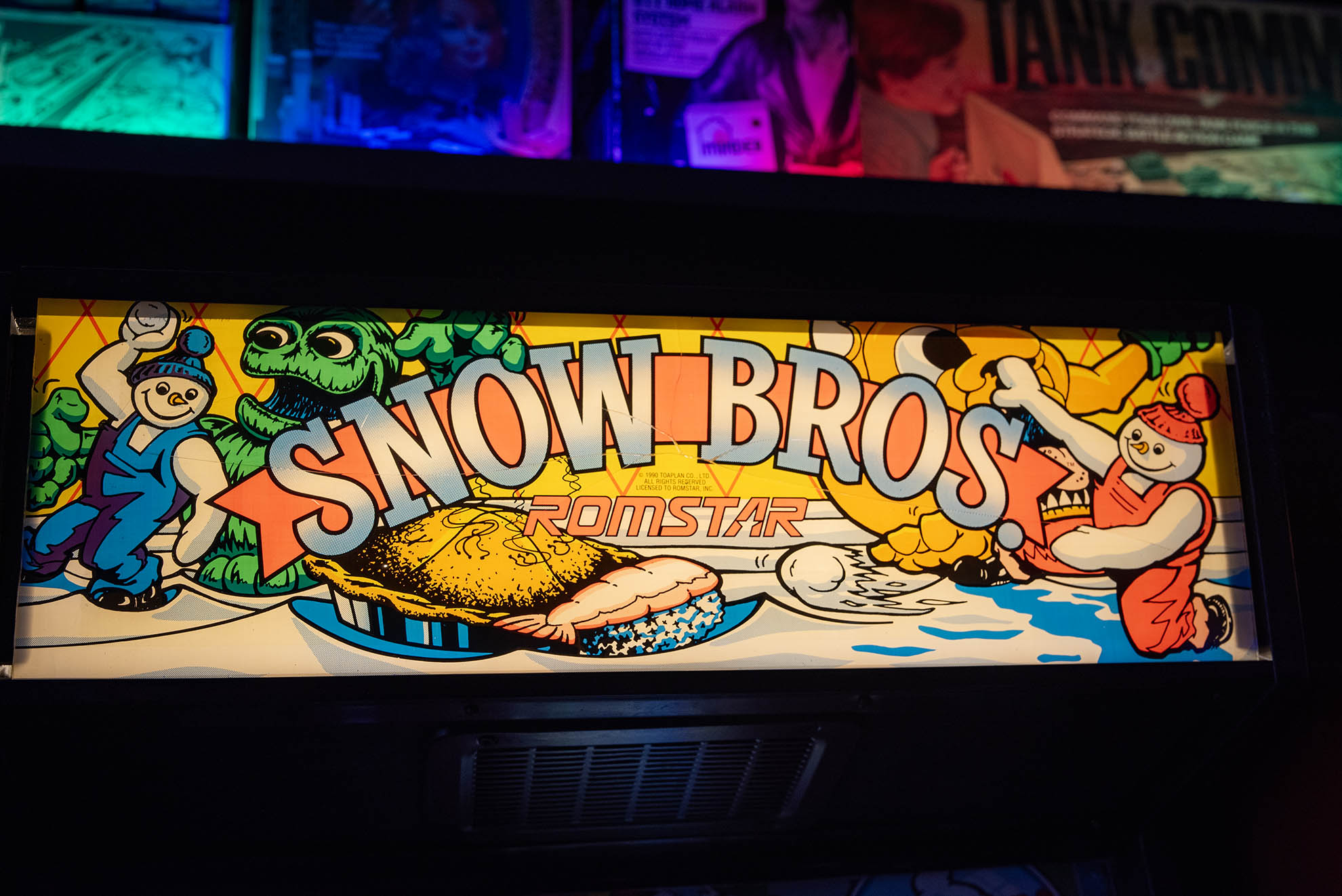
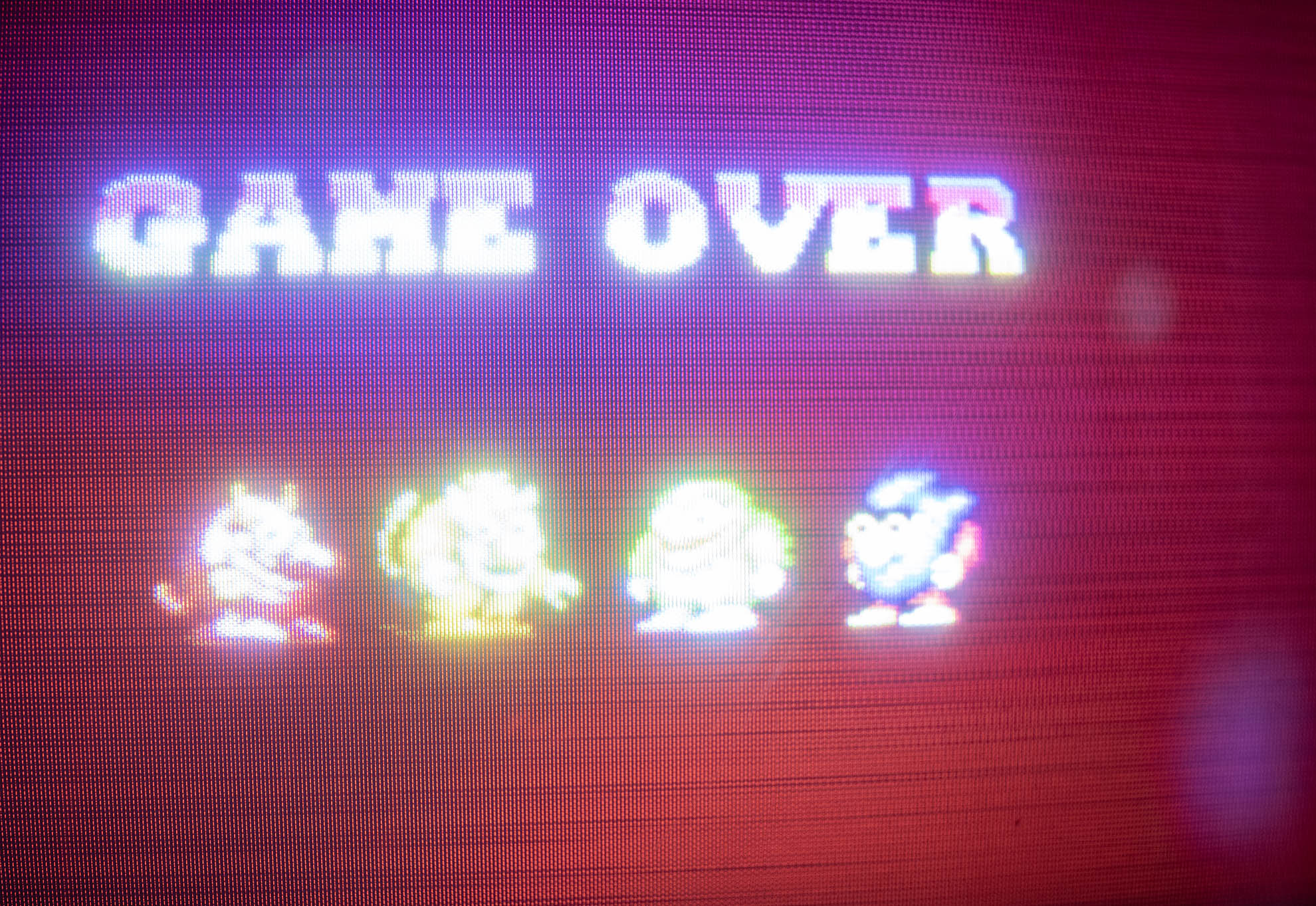
April 1990. The arcade scene was electric. Capcom had just dropped Final Fight the previous year. SNK was gearing up to launch the Neo Geo. And in Tokyo, a company known for crafting some of the most punishing shoot'em ups ever made decided to do something completely unexpected. Toaplan, the masters behind Tiger-Heli, Truxton, and the legendary Zero Wing, turned their attention to the single-screen platformer genre. The result was Snow Bros.: Nick & Tom, a game that would place 48th in Gamest magazine's annual hit game rankings, rank among the most popular arcade titles of the year, and spawn a cult following that endures to this day.
If you spent any time in arcades during the early nineties, you know this game. Two snowmen. Fifty stages. Endless waves of enemies turned into giant snowballs. Pure, distilled cooperative chaos.
The Curse of Ice and Snow
The story begins in the peaceful realm of Snow Land, a kingdom where twin princes Nick and Tom lived in harmony with their beloved princesses, Puripuri and Puchipuchi. That tranquility shattered when King Artich of the Hotteda Kingdom launched a devastating invasion. The evil monarch wielded dark magic, transforming the heroic princes into snowmen and kidnapping the princesses. As if that wasn't enough, Snow Land itself began to melt away under the villain's curse.
Nick and Tom, now trapped in their frozen forms, had only one option: fight through fifty stages of increasingly dangerous enemies, defeat King Artich's guardians, rescue their loves, and break the curse. The Mega Drive version later expanded this mythology, renaming the villain King Scorch and adding an entirely new post-game chapter where players control the rescued princesses themselves after Nick and Tom get kidnapped in a dramatic role reversal.
The names themselves carry that distinctly Japanese charm. Puripuri and Puchipuchi sound adorable to Western ears, but they're actually Japanese onomatopoeia suggesting something soft and squishy. It's the kind of detail that made Toaplan's games feel crafted with genuine affection.
The Shooter Kings Try Something Different
To understand why Snow Bros. matters, you need to understand Toaplan. Founded in 1984 by former employees of Orca and Crux, two short-lived developers that had declared bankruptcy, Toaplan quickly established themselves as the premier creators of vertical scrolling shooters. Tiger-Heli in 1985 put them on the map. Twin Cobra, Truxton, and Zero Wing cemented their legendary status. These were games designed to eat quarters, featuring precise mechanics and crushing difficulty that demanded absolute mastery.
But by 1990, the single-screen platformer was having a moment. Taito's Bubble Bobble had proven the format's potential in 1986, and its sequel Rainbow Islands continued the success. The genre offered something different from shooters: cooperative gameplay that brought friends together rather than competing for the high score.
Den of Geek would later note that Snow Bros. represented one of those rare occasions when Toaplan pursued something beyond their shoot'em up comfort zone. They brought their trademark polish and addictive gameplay loop, but wrapped it in a colorful, accessible package that welcomed newcomers while still rewarding skilled players.
The Art of the Snowball
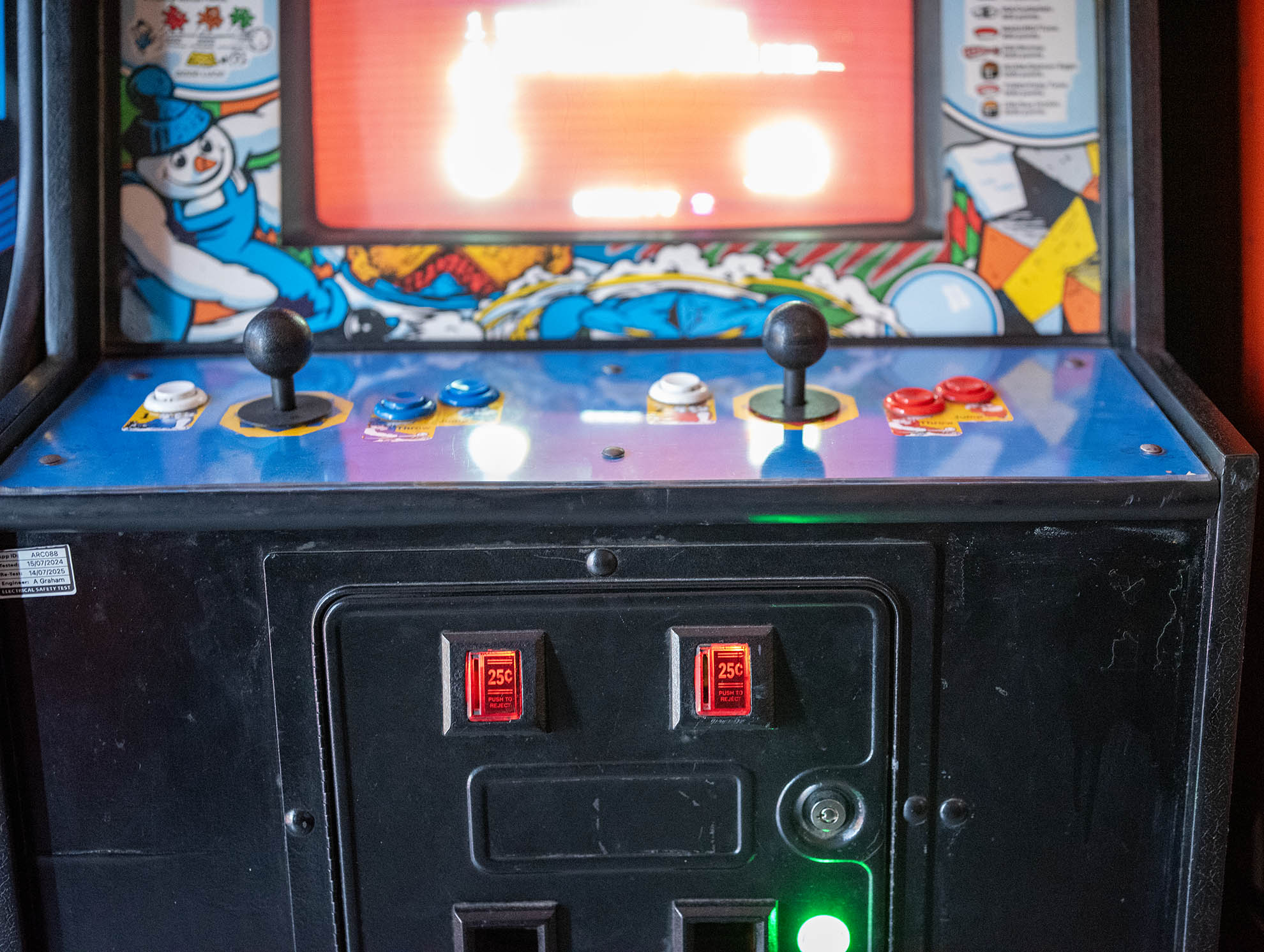
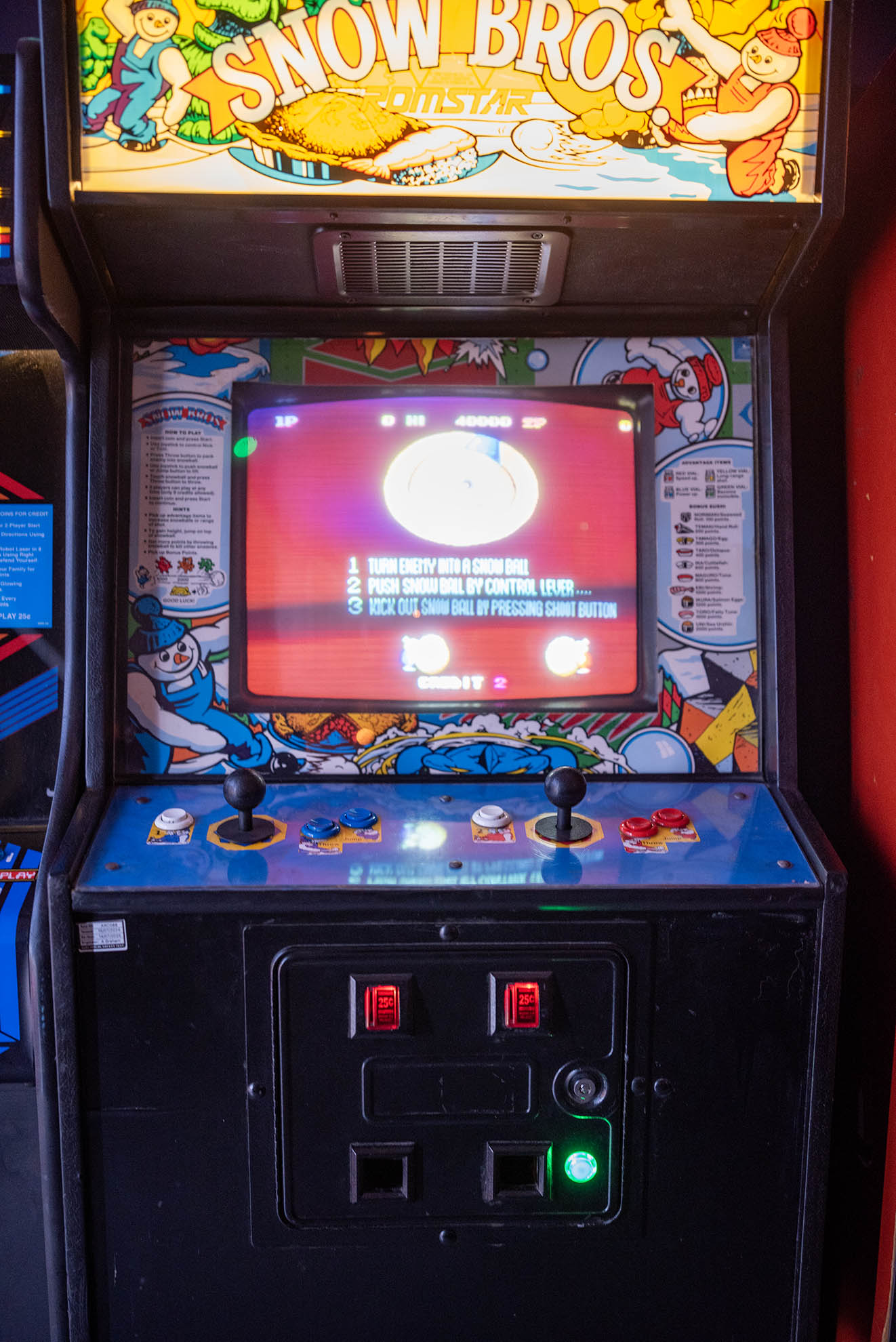
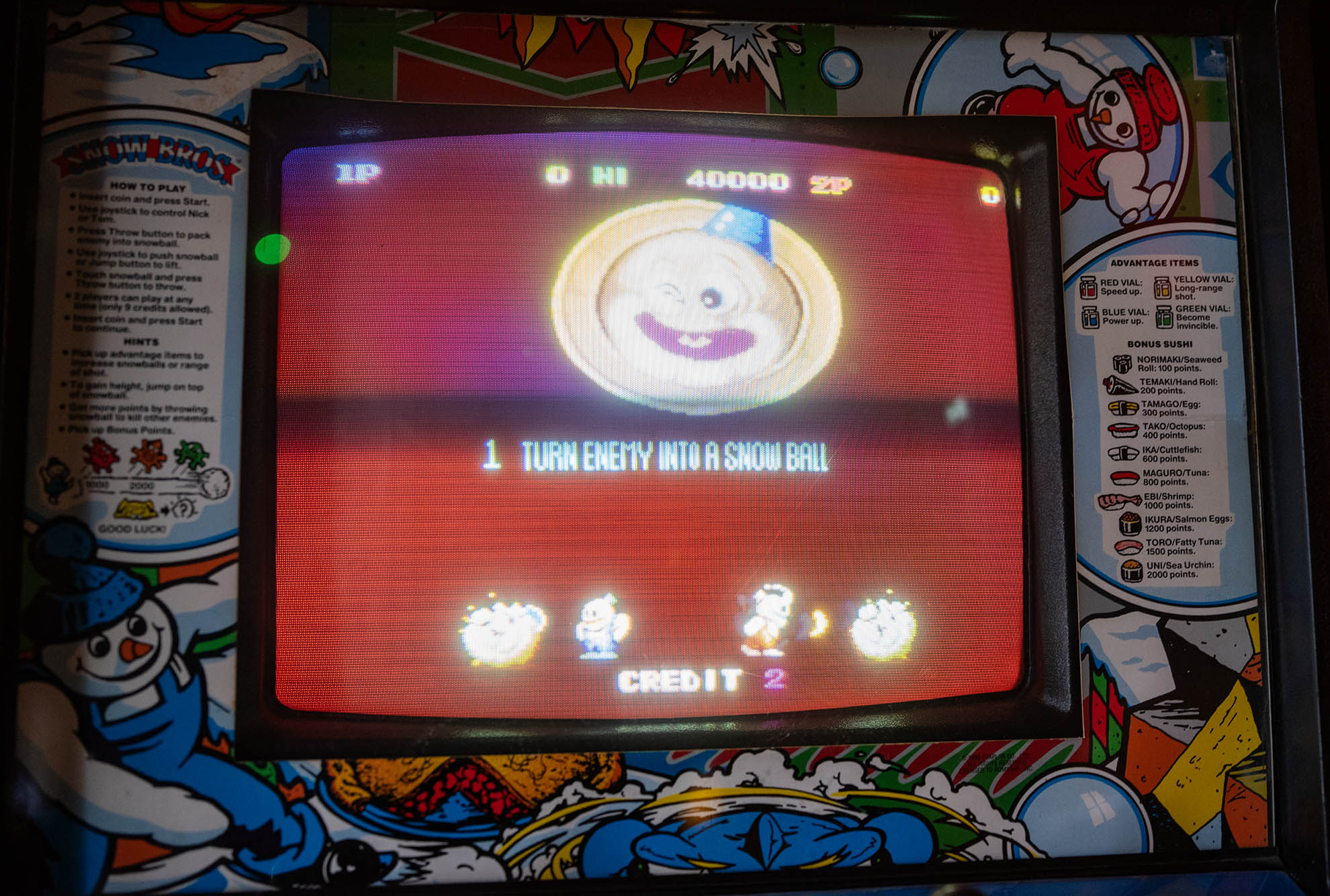
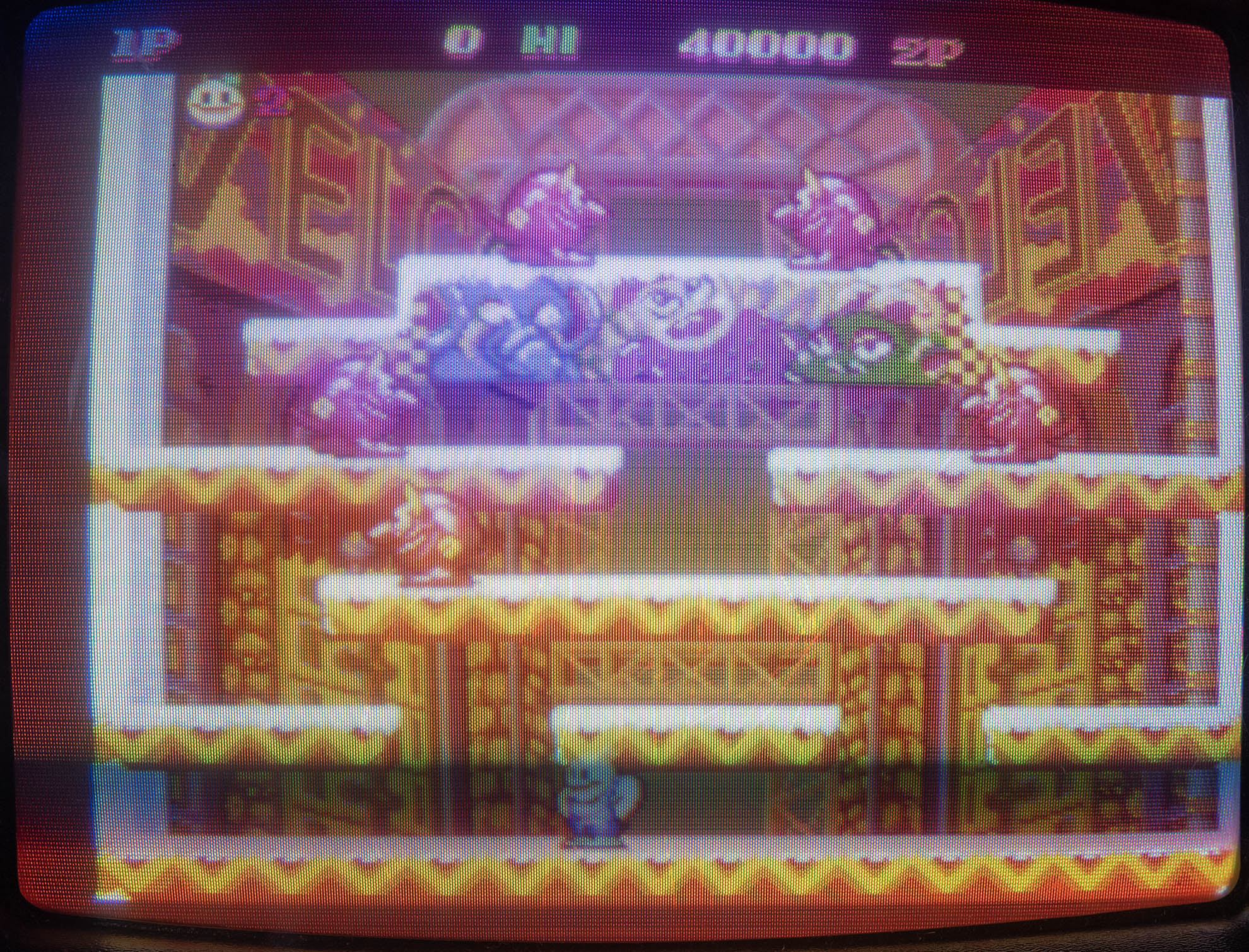
The genius of Snow Bros. lies in its deceptively simple mechanics. Nick, wearing blue overalls, and Tom, in red, can throw snow at enemies. Hit an enemy enough times and they become completely covered, transforming into a giant snowball. That's when the real fun begins.
Push a snowball and it starts rolling. It bounces off walls, gains momentum, and destroys any enemy in its path. Chain multiple enemies together and you'll rack up massive points while clearing the screen in spectacular fashion. This combo system became the heart of competitive play. A well-placed snowball could eliminate five, six, even ten enemies in a single devastating chain.
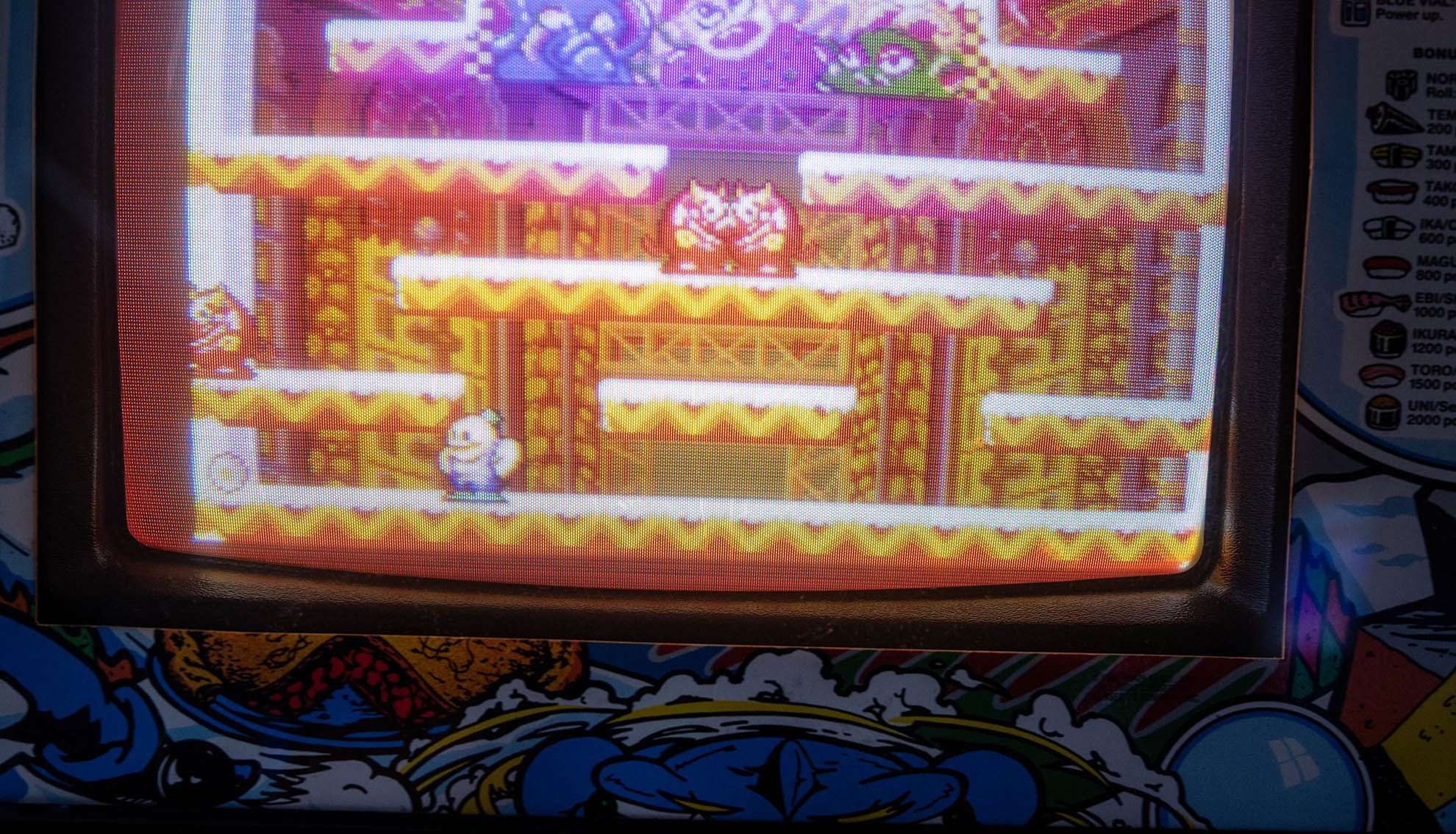
But the mechanics go deeper. Snowballs with trapped enemies can be jumped on, giving players extra height to reach platforms that normal jumps can't achieve. For a brief moment after catching an enemy in a snowball, you're invincible, a crucial window that skilled players exploit during chaotic encounters. Partially covered enemies can't move until they shake off the snow, giving you time to reposition or deal with other threats.
One hit from any enemy kills you. Period. It doesn't matter if it's a basic grunt or a boss attack. This brutal simplicity creates constant tension. You're never safe, never comfortable, always on edge.
The Pumpkin Head Problem
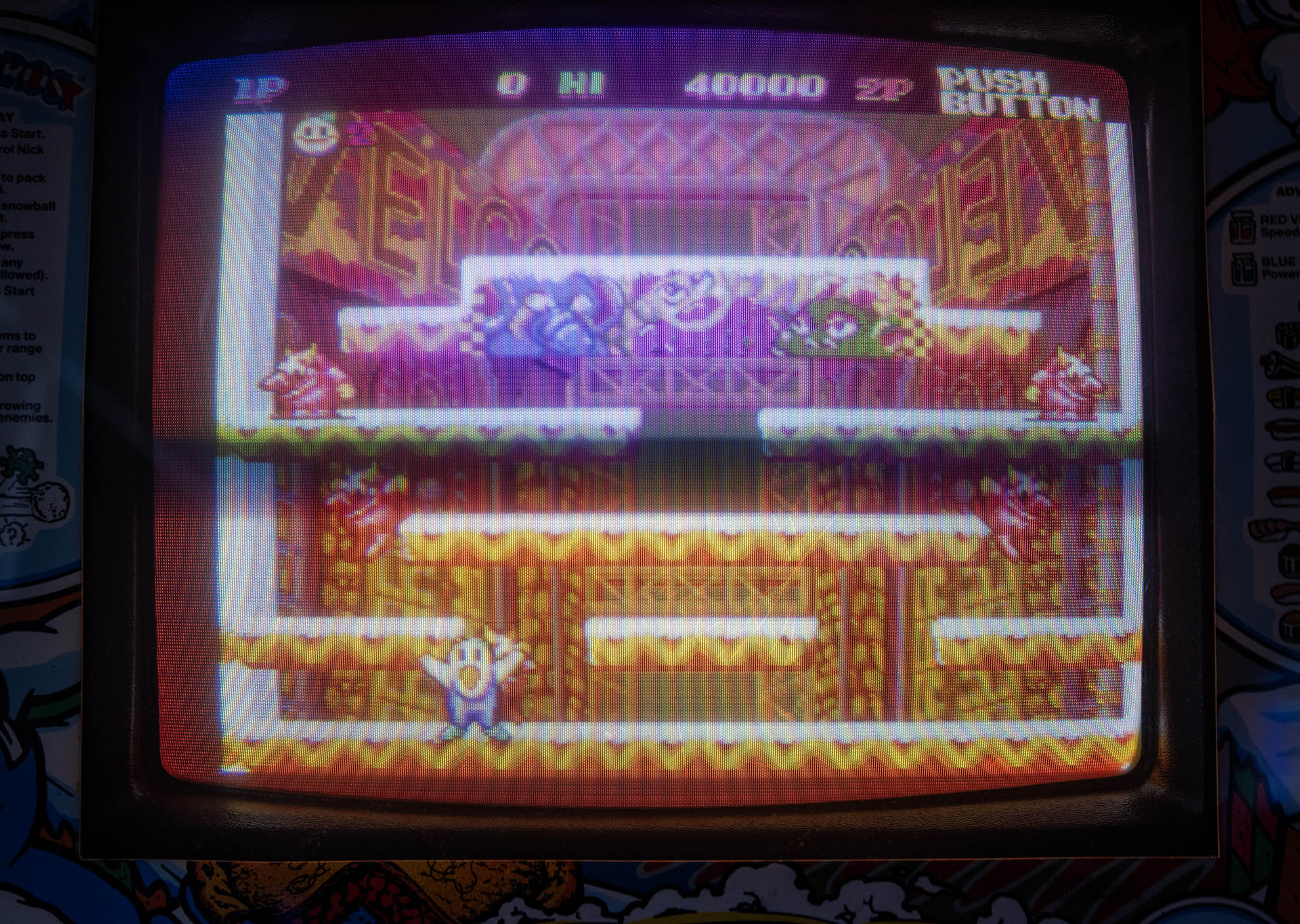
Take too long on any stage and the game punishes you. Pumpkin Head appears, an unkillable enforcer that relentlessly hunts you down. Shoot him and he teleports to a new location, angrier and faster than before. He launches ghost projectiles that track your movement. The message is clear: keep moving, clear stages quickly, or die.
This time pressure mechanic prevents camping strategies and forces aggressive play. It's borrowed from Bubble Bobble's Baron Von Blubba, but Pumpkin Head feels more threatening, more inevitable. Veterans know that once he appears, the clock is truly ticking.
Potions of Power
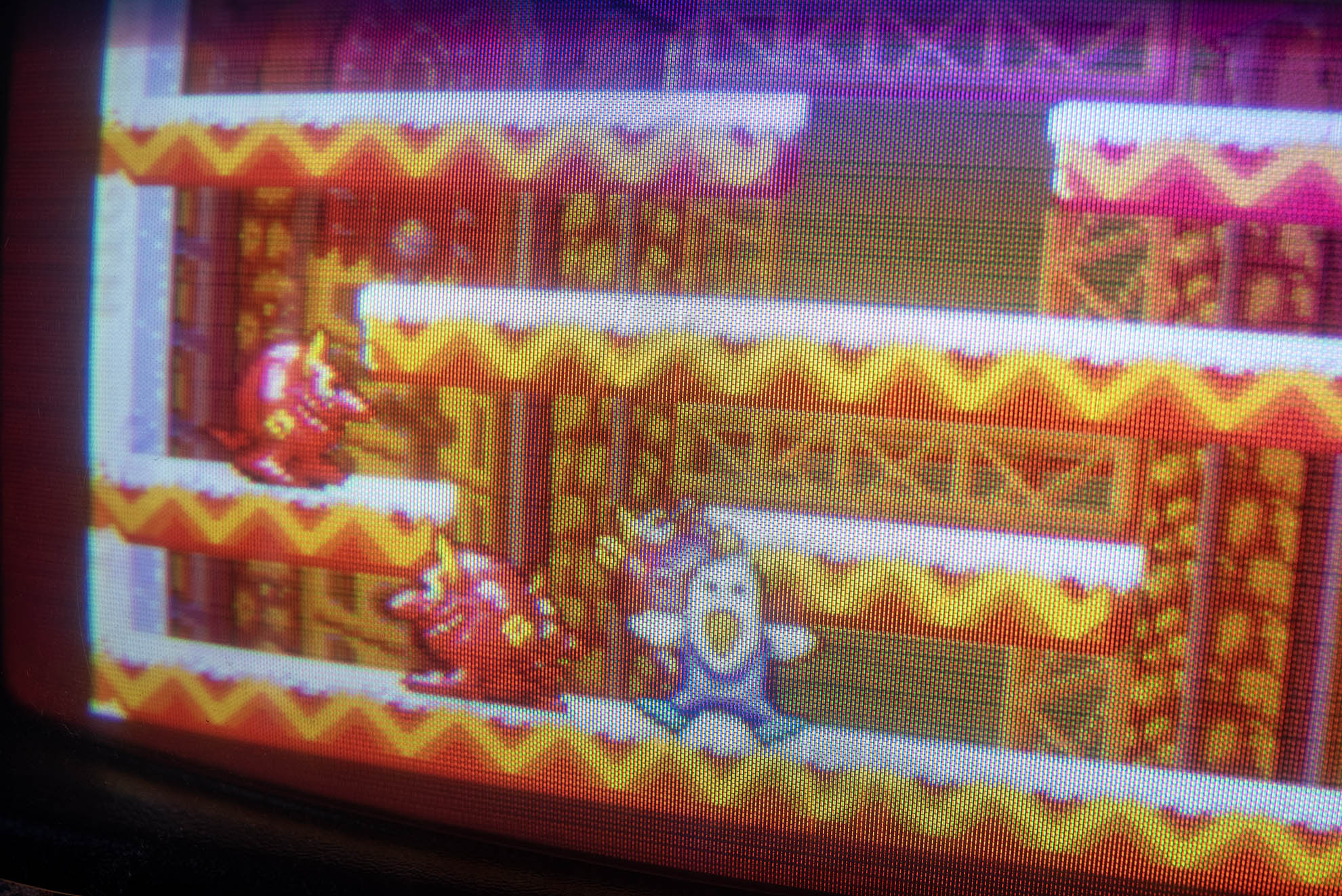
Scattered throughout the stages are colored potions, each granting different abilities. The red potion provides a tremendous speed boost, and experienced players will tell you it's the most important power-up in the game. Faster movement means faster enemy coverage, faster escapes, and faster stage completion.
Blue potions increase the amount of snow thrown, covering enemies more quickly. Yellow potions extend the distance your snow travels, letting you attack from safer ranges. The green potion is the most dramatic: it inflates your snowman like a balloon, allowing you to float around the screen and knock out enemies through direct contact. It's limited in duration but devastating when used correctly.
Collect the letters S, N, O, and W scattered through stages and you earn a 1-up. Sushi appears for bonus points, a nod to Japanese culture that American players found charmingly unusual. Hidden bonus rooms reward exploration with massive point hauls essential for climbing the high score tables.
Guardians of Each Realm
Every ten floors, a boss awaits. These encounters break up the normal gameplay rhythm and require specific strategies to survive.
Floor 10 introduces the Giant Lizard, a creature that hops between two platforms while throwing smaller enemies at you. It establishes the pattern: bosses summon minions as both offense and resource. Turn those minions into snowballs and use them as weapons against the boss itself.
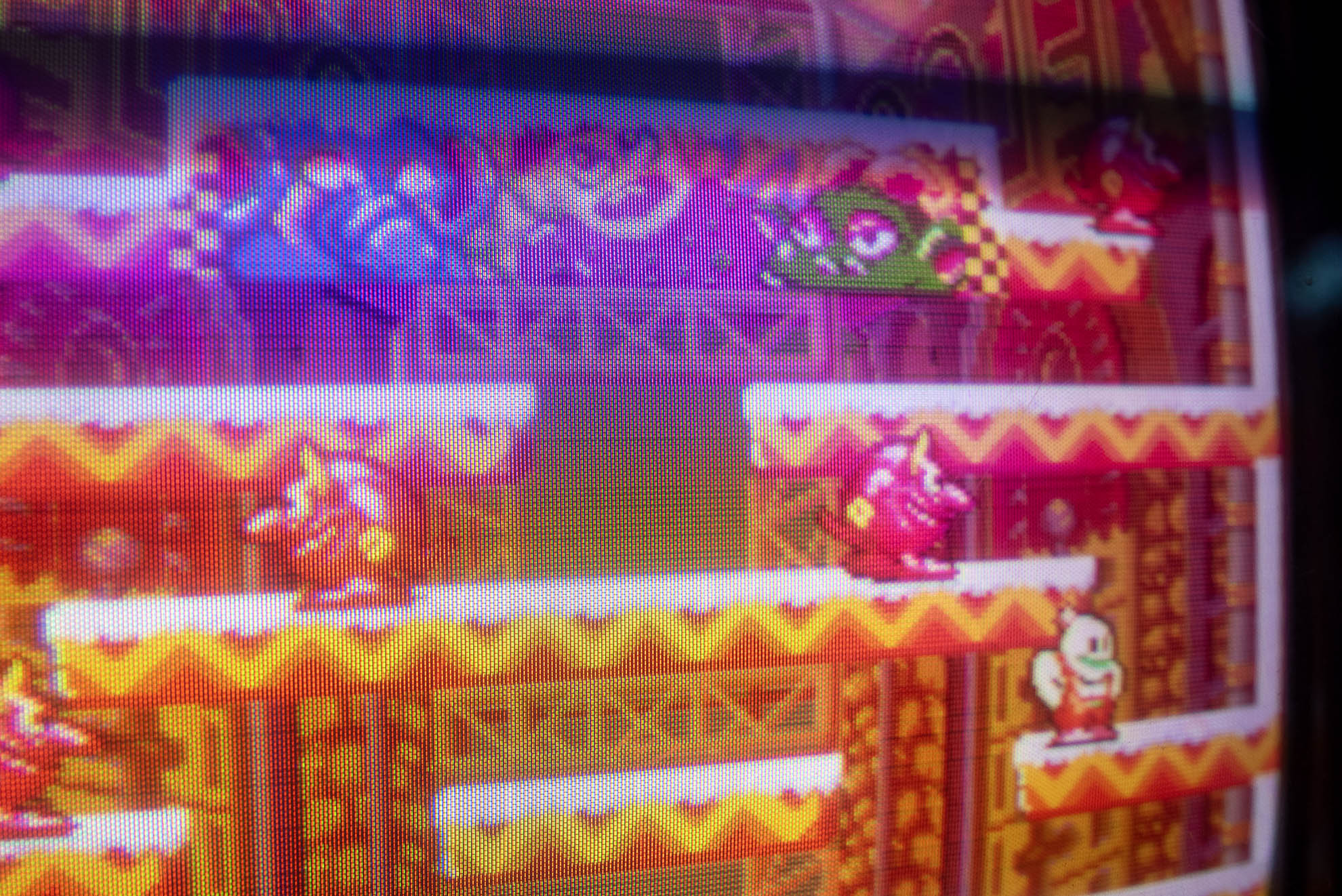
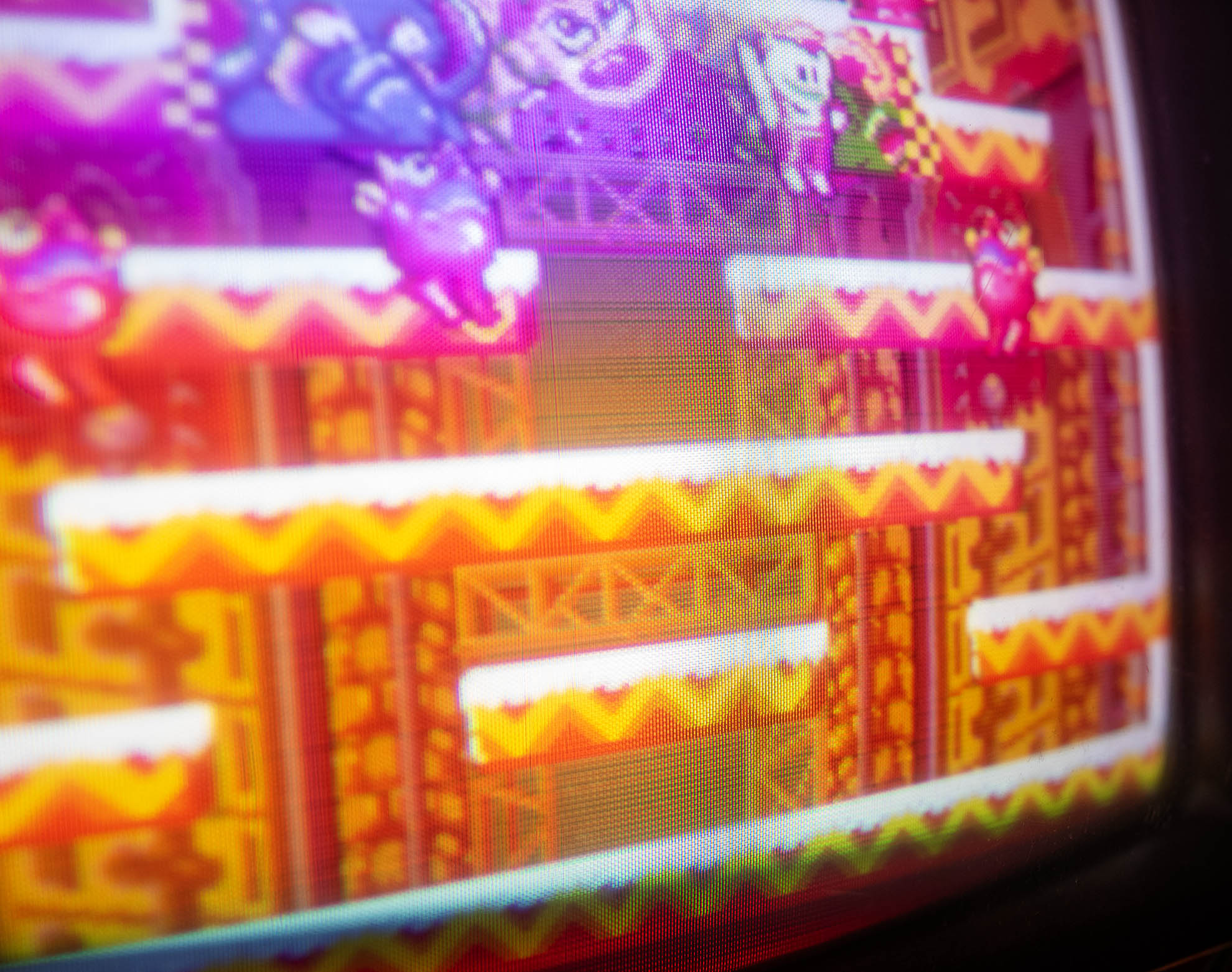
Floor 20 brings the Clam Launcher, appearing on two levels and spawning enemies from its shell. Floor 30 presents the Dual Birds, flying creatures that drop eggs which hatch into threats while occasionally dive-bombing directly at you. Floor 40 features the Green Goblin, slowly walking while dropping pairs of flames and jumping between platforms.
The Floor 50 finale is unforgettable. Two massive stone heads occupy each side of the screen, blowing bubbles that contain either enemies or power-ups. Above you, a ceiling covered in deadly spikes slowly descends. A small platform surrounded by flames sits in the center. It's chaotic, terrifying, and perfectly designed.
The Smallest Circuit Board
Here's a technical fact that still amazes hardware enthusiasts: the Snow Bros. PCB is one of the smallest circuit boards ever manufactured for arcade use. It measures barely larger than a Nintendo Famicom cartridge, barely larger than a Nintendo Famicom cartridge. For a game with this much content and polish, that's remarkable engineering.
The hardware centered on a Motorola 68000 processor running at 8 MHz, handling game logic, inputs, sprite control, and palette management. Sound came from a dedicated Zilog Z80 running at 6 MHz, paired with a Yamaha YM3812 FM synthesis chip at 3 MHz and an OKI M6295 for ADPCM sound effects. The Kaneko Pandora chip managed video processing.
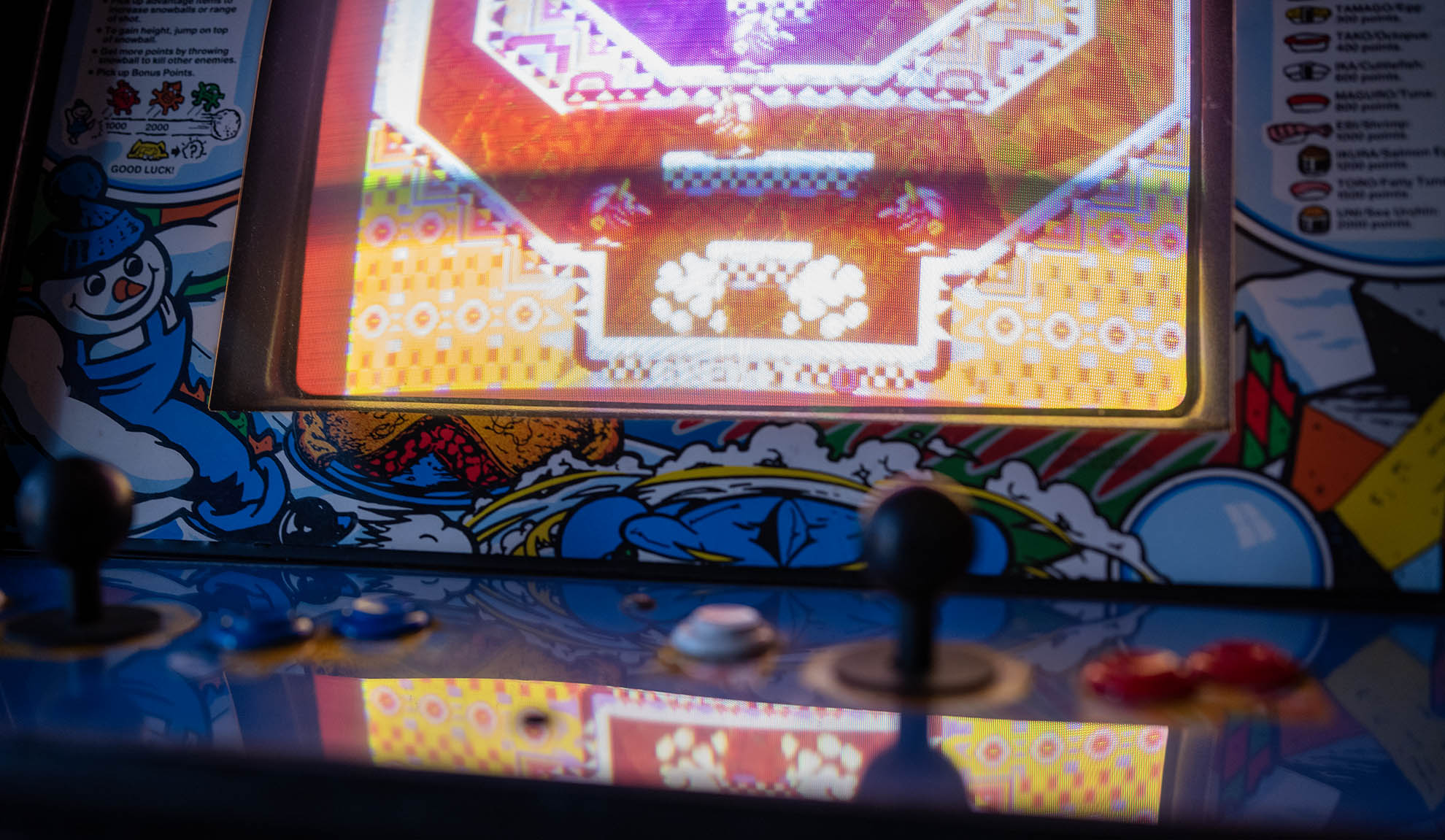
Display specs were standard for the era: 256 by 224 resolution, 57.5Hz refresh rate, 256 colors on a 4:3 aspect ratio horizontal monitor. The game shipped as a JAMMA-compatible conversion kit, often factory-installed in generic cabinets, making it easy for operators to add to existing arcade floors.
Osamu Ohta's Frosty Beats
The soundtrack came from Osamu Ohta, a composer whose work at Toaplan also included Wardner and Twin Hawk. Ohta's style blended rock and funk with Latin percussion elements, creating energetic tracks that perfectly matched the game's frantic pace.
Ohta used Masahiro Yuge's sound driver and composed using Music Macro Language, the standard approach for arcade games of the period. On October 21, 1990, Scitron and Pony Canyon co-published a soundtrack album featuring Snow Bros. alongside Out Zone, another Toaplan title. The album included arranged versions that expanded on the original chip tunes.
Interestingly, Ohta was rarely credited in Toaplan games, as the company followed a policy of excluding credits from their releases. Soundtrack albums sometimes listed him as Ree Ohta, an alternate pronunciation of his given name's kanji.
Critical Reception and Arcade Dominance
Snow Bros. performed exceptionally well upon release. RePlay magazine reported it as the eleventh most popular arcade game in June 1990. Game Machine listed identical results for Japan that same month.
The game earned an award from Gamest, Japan's premier arcade gaming magazine. Donn Nauert of VideoGames & Computer Entertainment gave a positive review to the arcade version. Critics praised the tight controls, vibrant art style, and particularly the cooperative gameplay that made it a social experience rather than a solitary quarter-dump.
What truly set Snow Bros. apart was its influence on future games. Tumble Pop, Joe & Mac Returns, and Nightmare in the Dark all drew heavy inspiration from its mechanics. Some might call them clones. Others recognize them as the sincerest form of flattery.
Ports and Conversions
The arcade success led to numerous home conversions. The NES version arrived in 1991, simplified due to hardware limitations but capturing the essential gameplay. Family Computer Magazine gave it a 19.7 out of 30, indicating solid reception among console players.
Snow Bros. Jr. for Game Boy launched in Japan in May 1991 through Naxat Soft, reaching North America in January 1992 under Capcom's publishing. It adapted the game admirably to the handheld's limited screen.
The Mega Drive/Genesis version stands out as the definitive home port. Beyond faithful recreation of the arcade original, it added a new opening story sequence and twenty additional stages set after the original fifty. In this extended content, players switch control from Nick and Tom to the princesses Puripuri and Puchipuchi after the snowmen get kidnapped by a new adversary. It transformed a great arcade port into something genuinely expanded.
Ocean France had plans for Amiga, Atari ST, Commodore 64, ZX Spectrum, and Amstrad GX4000 versions. None of these conversions were officially released, though a ROM image of the Amiga version leaked online in 2006, giving preservation enthusiasts a glimpse at what might have been.
The Sequel and Toaplan's End
In April 1994, Toaplan released Snow Bros. 2: With New Elves under their newly formed Hanafram label. This sequel expanded to four-player simultaneous multiplayer with a fresh cast: Nick the Snow Kid, Bobby the Thunder Kid, Roy the Rain Kid, and Richard the Wind Kid. Each character possessed unique attacks tied to their elemental themes.
According to the Institute of Game Culture Conservation, the sequel was distributed in limited numbers. It never achieved the original's widespread placement. This scarcity makes it a holy grail for collectors today.
Tragically, Snow Bros. 2 became one of Toaplan's final releases. The company declared bankruptcy on March 31, 1994, just weeks after the sequel hit arcades. The changing landscape of the arcade industry, combined with financial pressures, proved insurmountable. From Toaplan's ashes rose several notable successor companies: CAVE, Eighting, Gazelle, and Takumi, each carrying forward elements of the Toaplan legacy.
The Legacy Lives On
The Snow Bros. intellectual property didn't disappear with Toaplan. In 2017, Masahiro Yuge, the same programmer who wrote the original game's sound driver, founded a company called Tatsujin, named after Truxton's Japanese title. Through Tatsujin, Yuge acquired the rights to numerous former Toaplan properties, including Snow Bros.
In 2022, Tatsujin became part of Embracer Group, securing resources for new projects. Snow Bros. Special brought a modern remake to contemporary platforms. Most recently, Snow Bros. Wonderland launched in 2024, proving that Nick and Tom still have stories left to tell.
For those of us who grew up dropping quarters into that small cabinet, who mastered the art of the combo chain, who learned to fear Pumpkin Head and love the red potion, Snow Bros. represents something special. It's Toaplan at their most accessible, their most joyful, their most timeless. Thirty-five years later, it remains as playable as ever.
For more arcade classics, see Berzerk and X-Men.\n\n## A Blizzard Hits the Arcades
Game Information
| Title | Snow Bros.: Nick & Tom |
| JP Title | スノーブラザーズ |
| Developer | Toaplan |
| Publisher | Toaplan (JP), Romstar (NA/EU) |
| Release | April 1990 |
| Platform | Arcade |
| Genre | Platform |
| Players | 1-2 (simultaneous) |
| Display | Horizontal, 256x224, 57.5Hz |
| CPU | Motorola 68000 @ 8MHz |
| Sound CPU | Zilog Z80 @ 6MHz |
| Sound Chips | YM3812 @ 3MHz, OKI M6295 |
| Composer | Osamu Ohta |
| Stages | 50 (plus 20 in Mega Drive) |
---
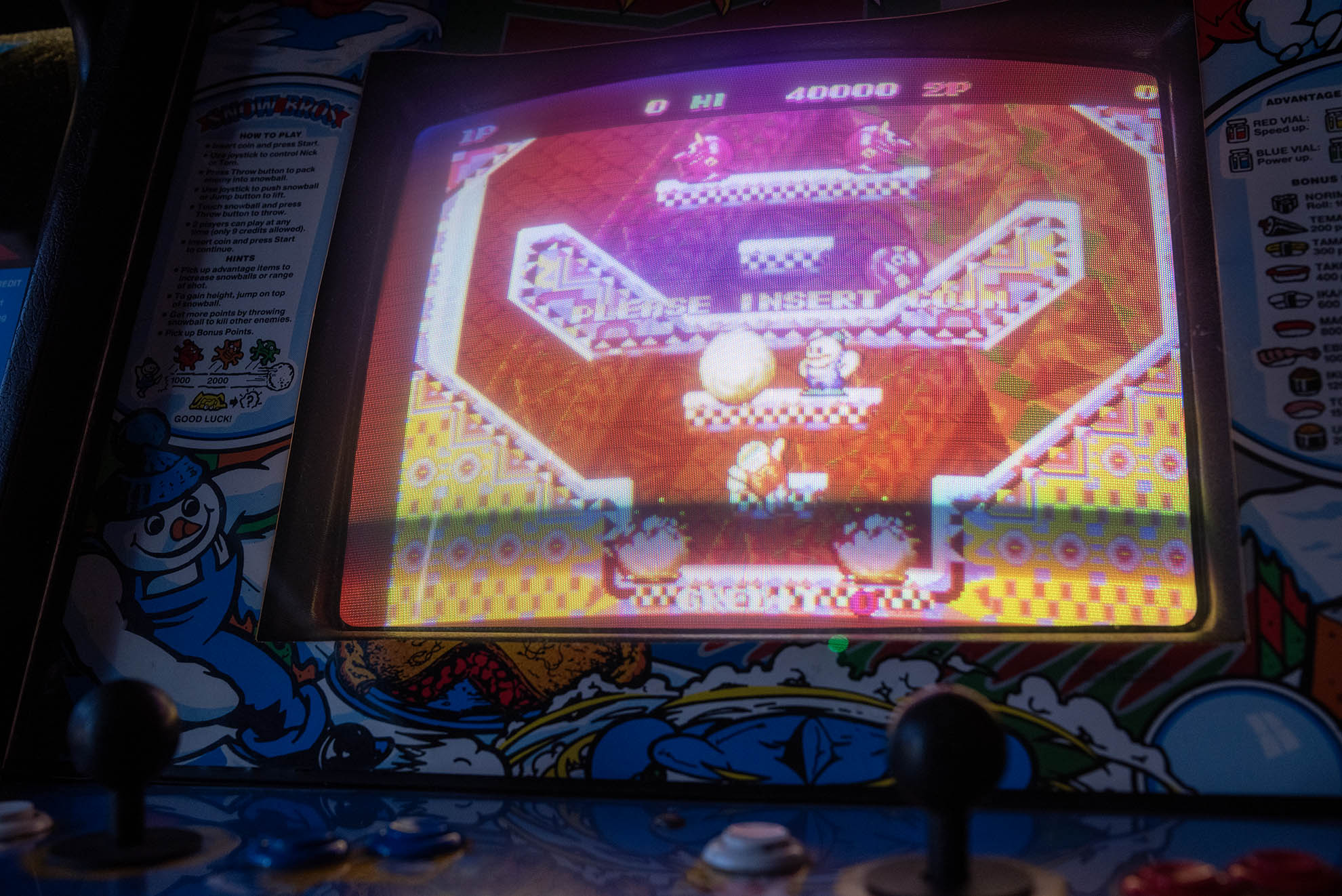
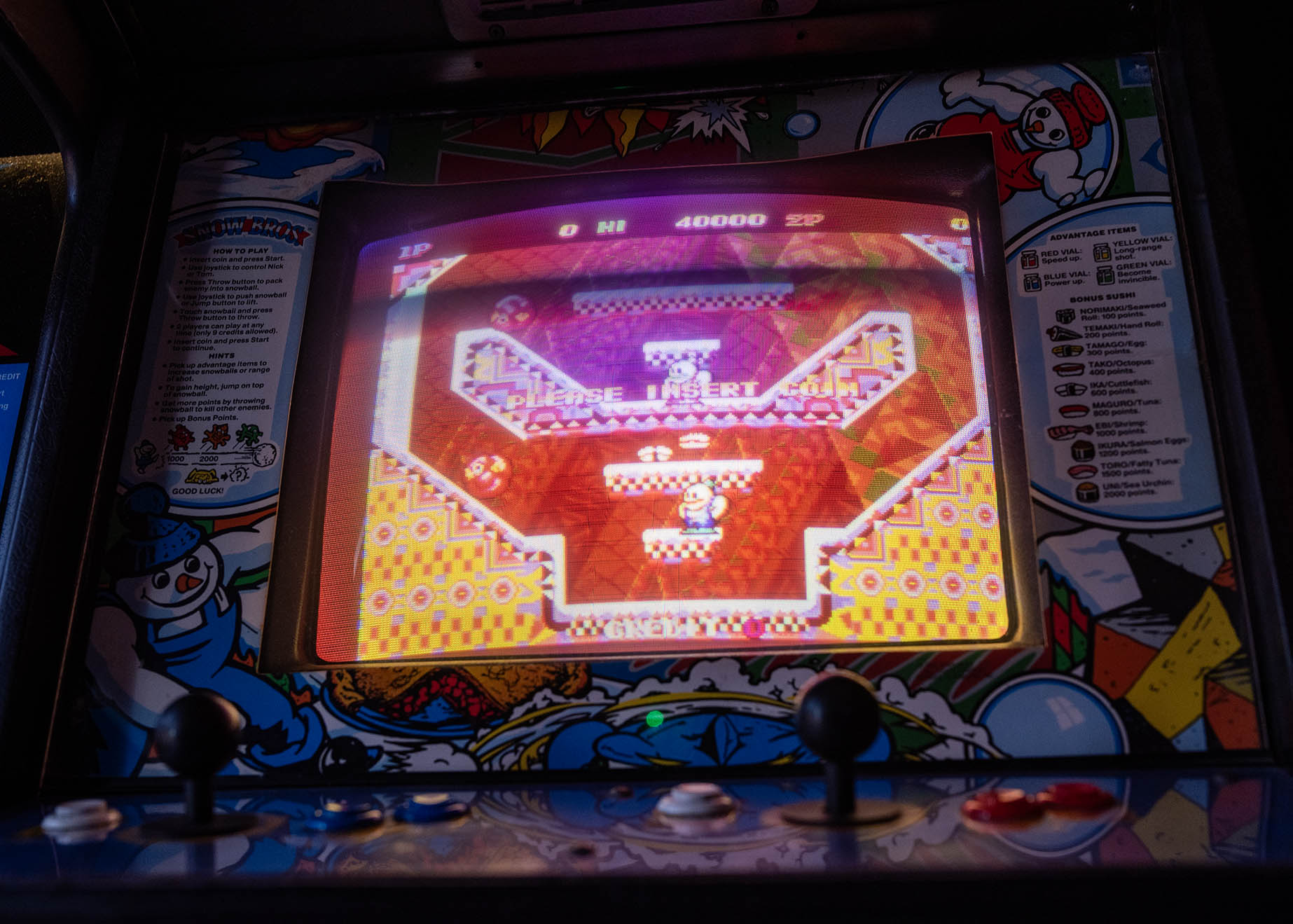
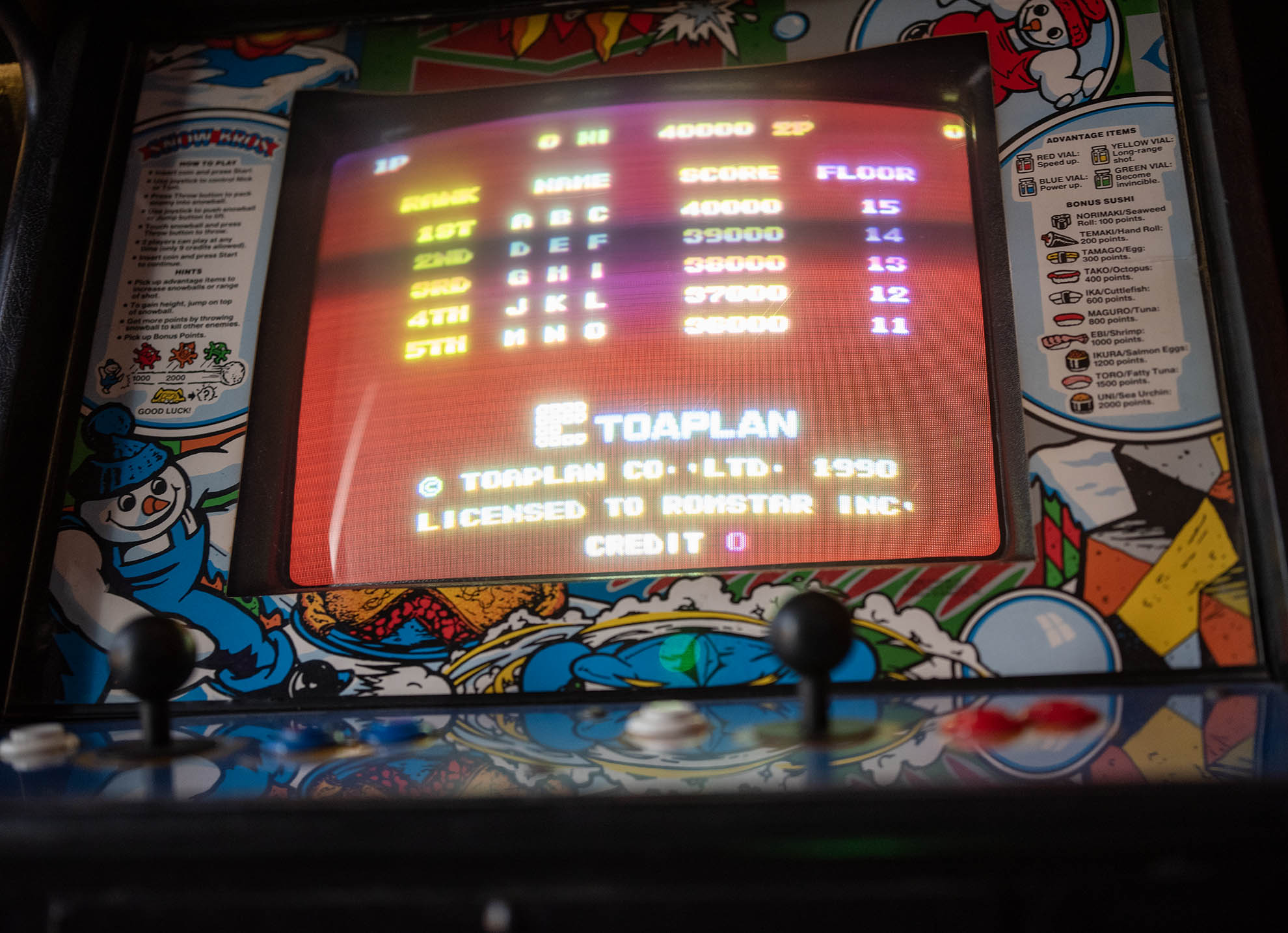
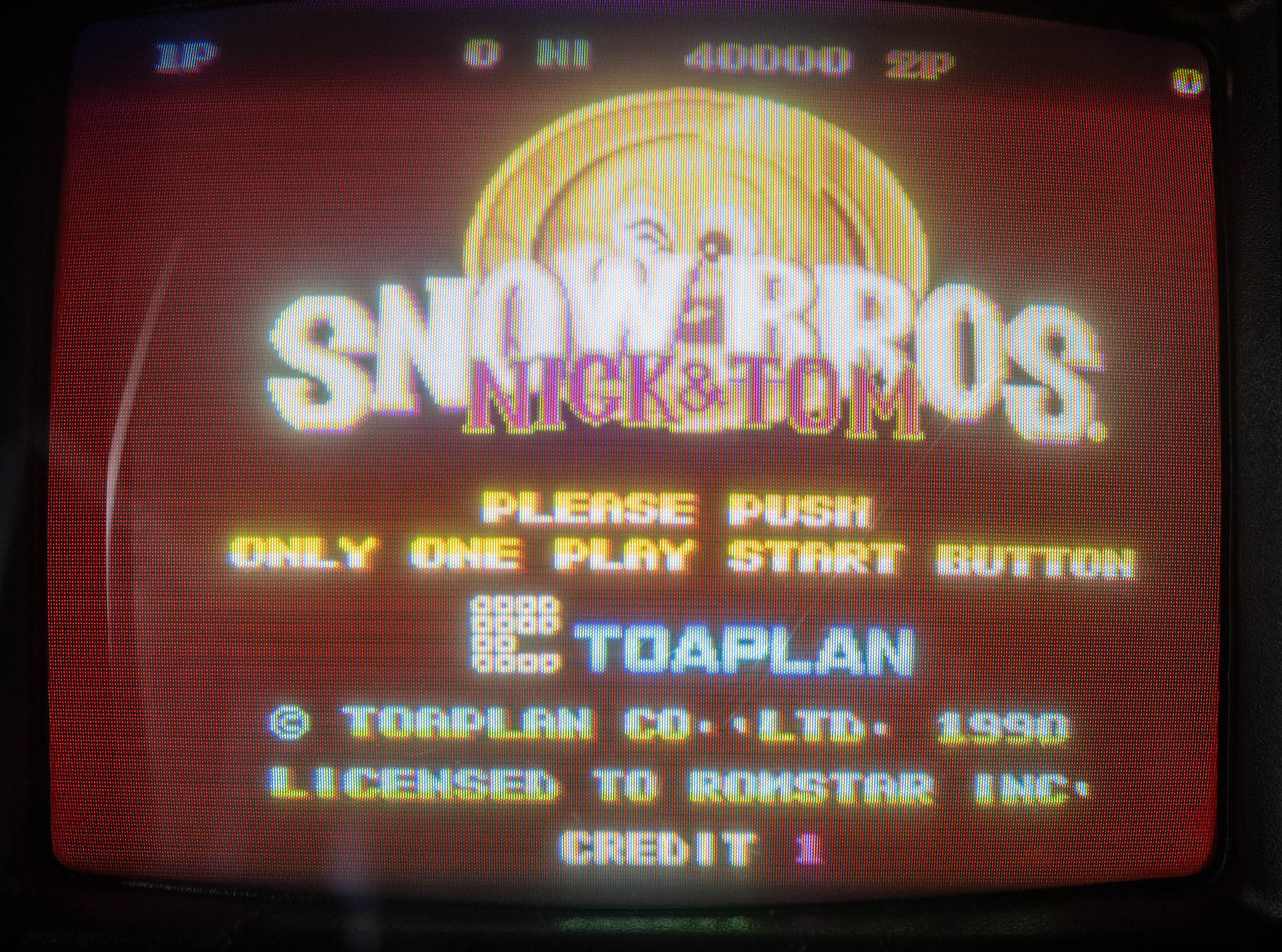
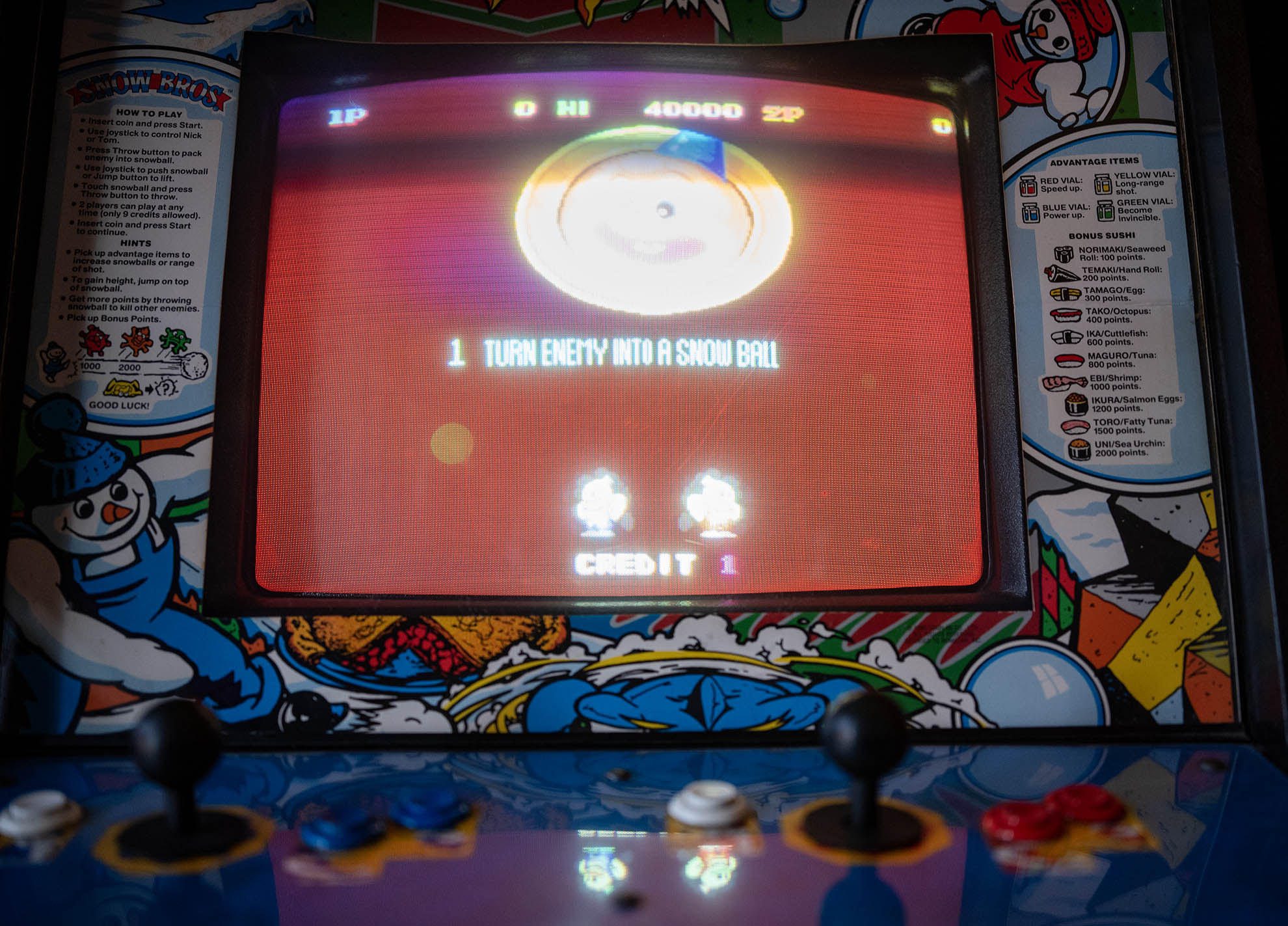
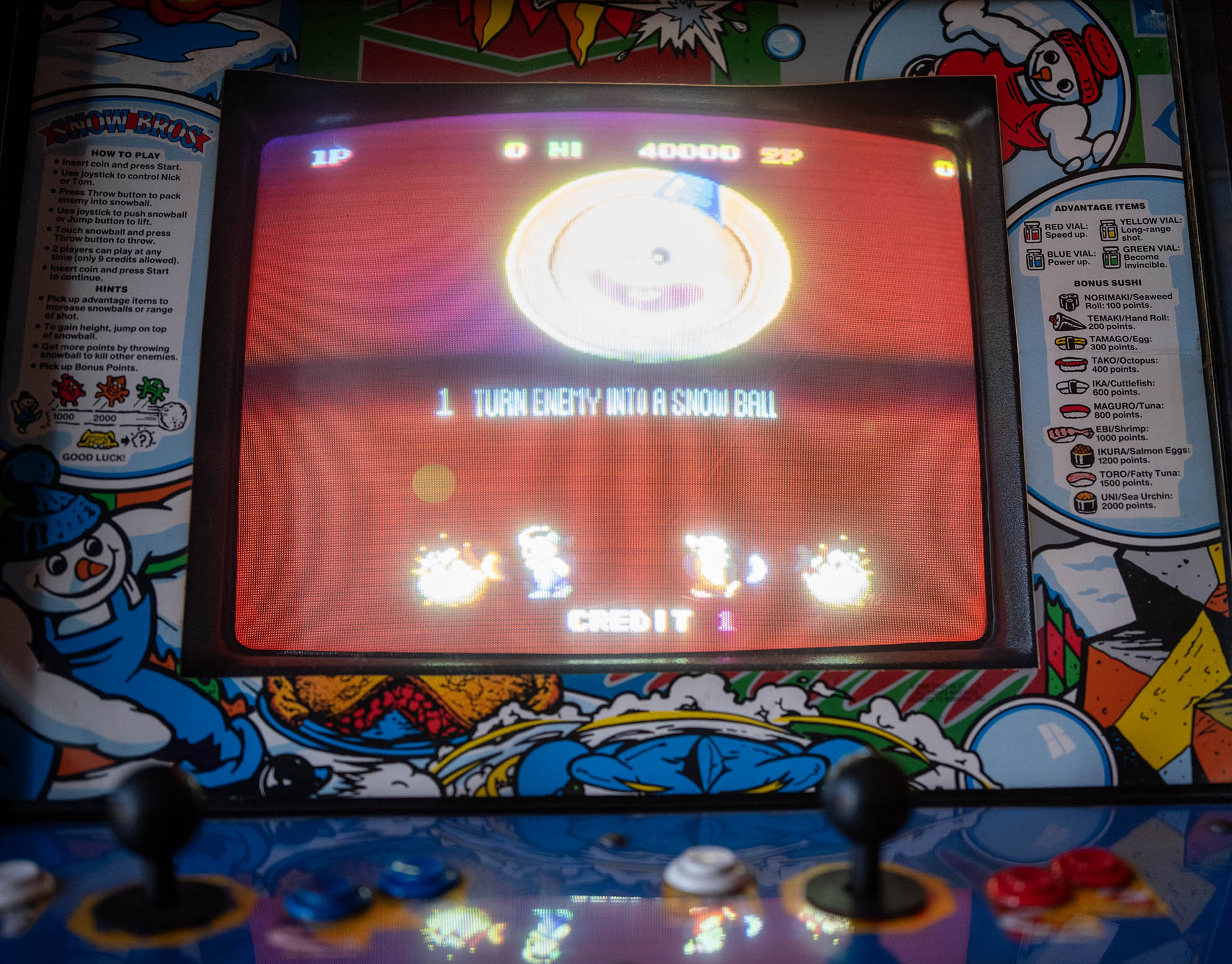
*All arcade cabinet photos taken by the author at The Pixel Bunker.*
Gallery
Get Gaming News and Features First
Stay updated with the latest gaming news and exclusive content.