Resident Evil: The Complete History of Survival Horror's Definitive Classic
As March 2026 marks 30 years since Biohazard terrified players worldwide, we explore the complete history of Capcom's genre-defining masterpiece from Sweet Home to HD Remaster.

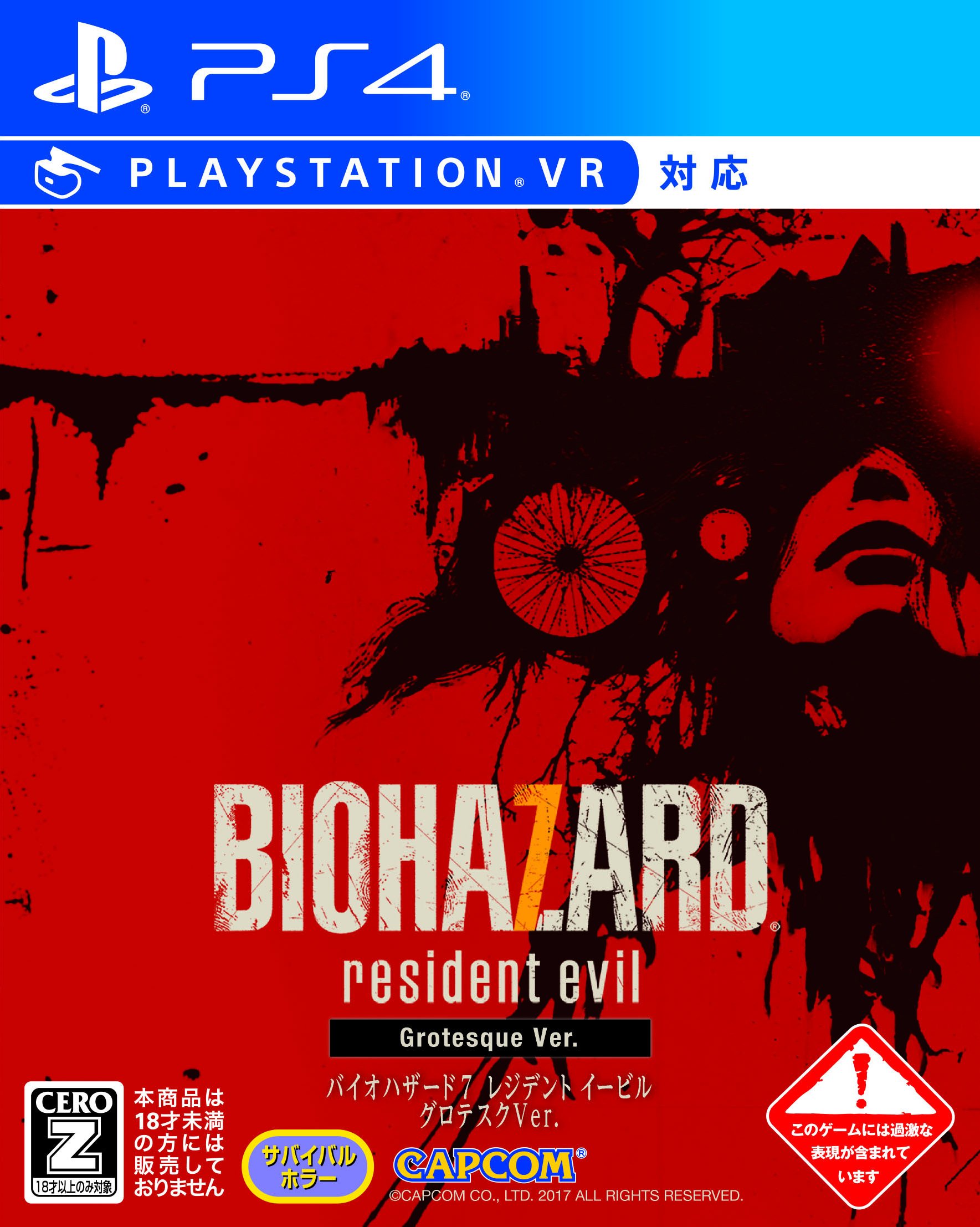
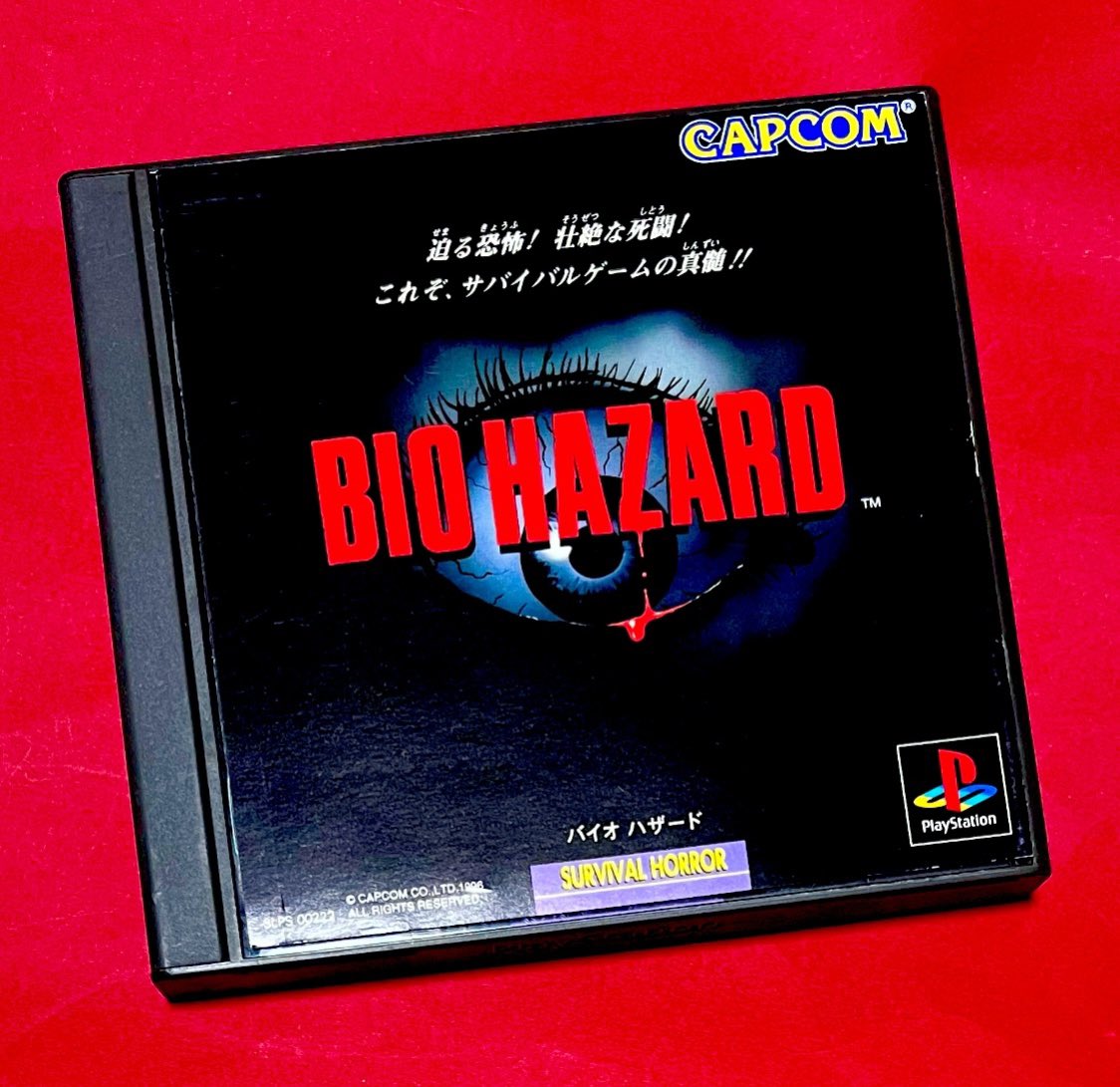
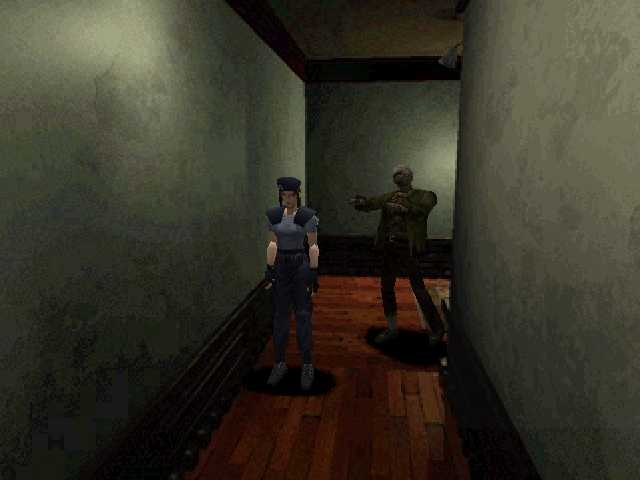
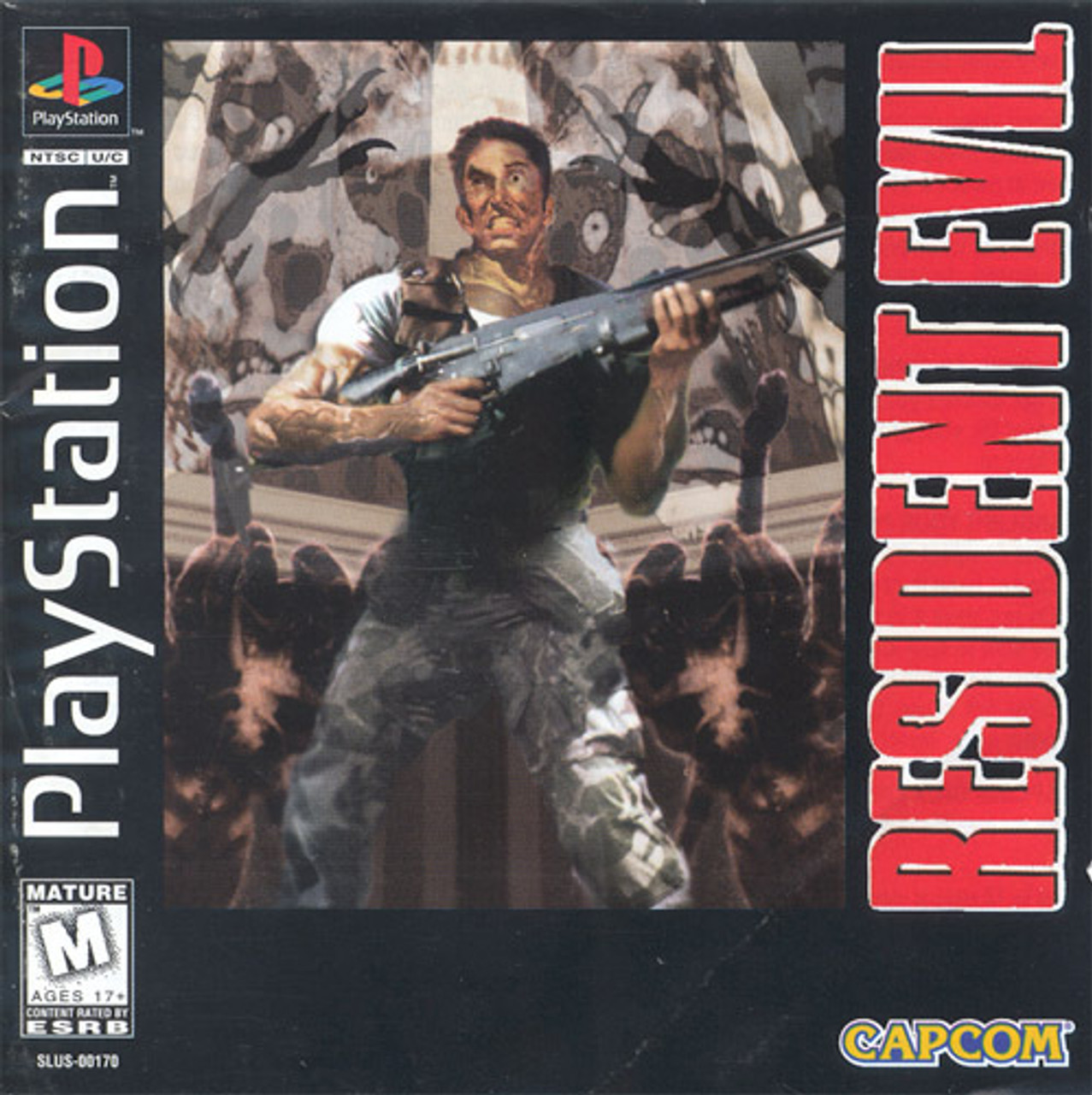
Capcom's Biohazard (known internationally as Resident Evil) launched on March 22, 1996, revolutionizing gaming by establishing the survival horror genre. The franchise has since accumulated over 170 million copies sold worldwide, with Resident Evil 2 Remake now leading franchise sales at over 15 million copies, beginning from modest expectations of roughly 300,000 units. The series continues to thrive with upcoming titles including Resident Evil Requiem, scheduled for February 2026.
Origins and Development
The game's foundations trace back to Sweet Home, a 1989 Famicom title. Director Tokuro Fujiwara sought to recreate that experience using PlayStation's enhanced graphical capabilities. Shinji Mikami directed the project, which faced significant hurdles: the team lacked experience with 32-bit hardware, 3D polygons, and original game design.
Development encountered substantial obstacles. The project shifted from Super Nintendo to first-person PlayStation, then incorporated an over-the-shoulder camera system. "The team faced three major hurdles simultaneously: no one had worked with the new 32-bit hardware, no one had experience with 3D polygons, and since it was a totally original game, everything had to be created from scratch." Staff members questioned whether completion was even feasible.
Critical Reception and Success
Initial Japanese sales began modestly at 140,000 copies weekly, but word-of-mouth propelled the title to massive success. The PlayStation version ultimately sold 2.75 million copies globally, vastly exceeding corporate projections.
Platform Releases
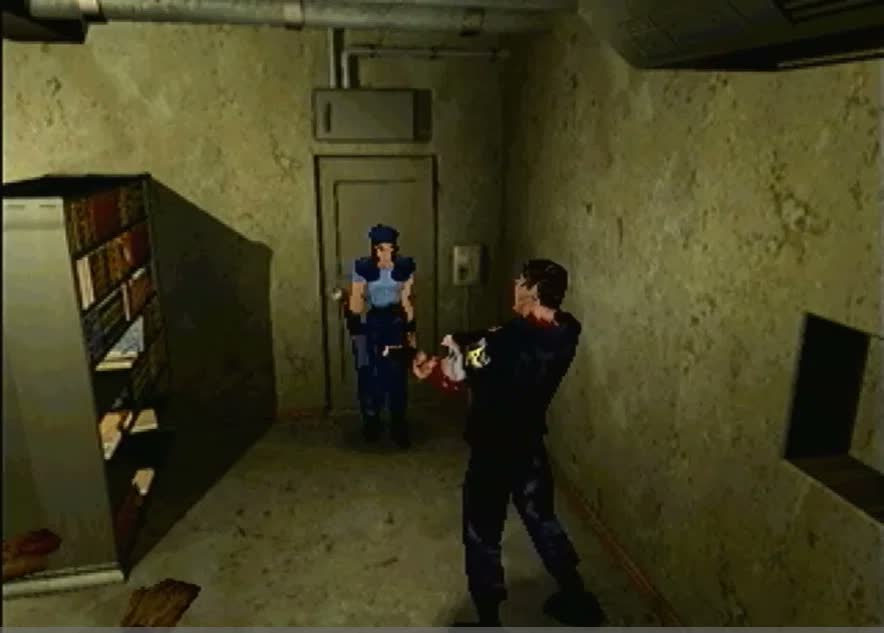
Sega Saturn (1997): Featured exclusive Battle Mode and alternative costumes, though suffered from longer loading times and lacked PlayStation's auto-aim feature.
PC/Windows (1997): Provided completely uncensored cinematics and bonus weapons upon completion.
Director's Cut (1997): Introduced Arranged mode with modified enemy and item placement, bundled with Resident Evil 2 demo, previewing the sequel that would expand the series' scope dramatically.
Dual Shock Edition (1998): Added vibration support and new orchestral soundtrack by Mamoru Samuragochi, later revealed to have used ghostwriters.
Nintendo DS (2006): Offered Classic and Rebirth modes with touchscreen integration and multiplayer functionality.
Wii (2008): Adapted GameCube remake controls for motion controls.
The 2002 GameCube Remake
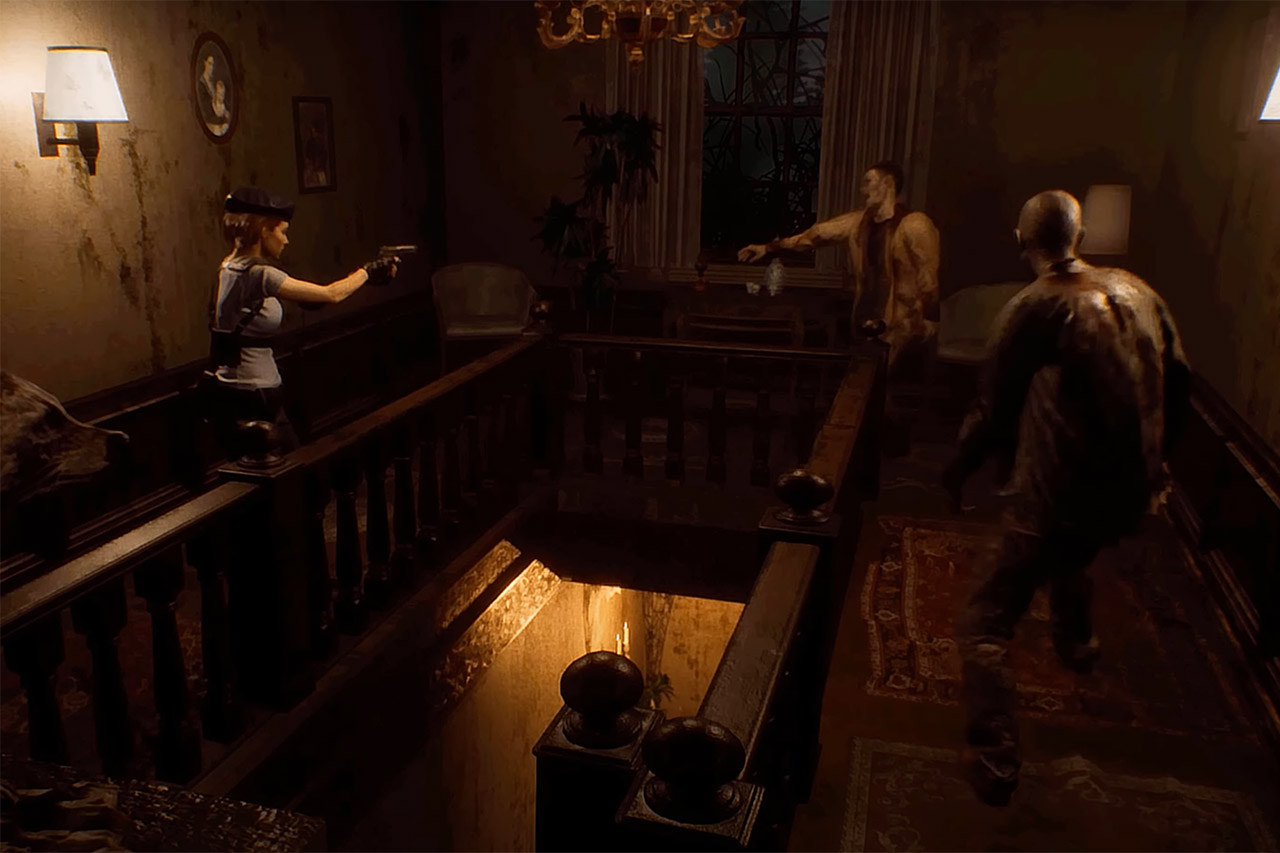
Director Mikami returned for a complete overhaul on GameCube, which remains critically acclaimed. Development took fourteen months with four programmers learning the hardware simultaneously. The remake retained pre-rendered backgrounds while adding dynamic cameras, particle effects, and atmospheric layers.
Notable Additions
Crimson Heads: A new mechanic where improperly disposed zombies resurrect as faster, deadlier mutations with crimson skin and claws, forcing strategic resource management.
Lisa Trevor: A tragic boss character representing Umbrella's earliest experiments. Players could choose to avoid combat entirely, emphasizing player agency.
Restored Content: The graveyard area and cut prototype elements enhanced the mansion's scope.
Sound design was outsourced to Hollywood's Soundelux studio, providing distinct audio signatures for each enemy type.
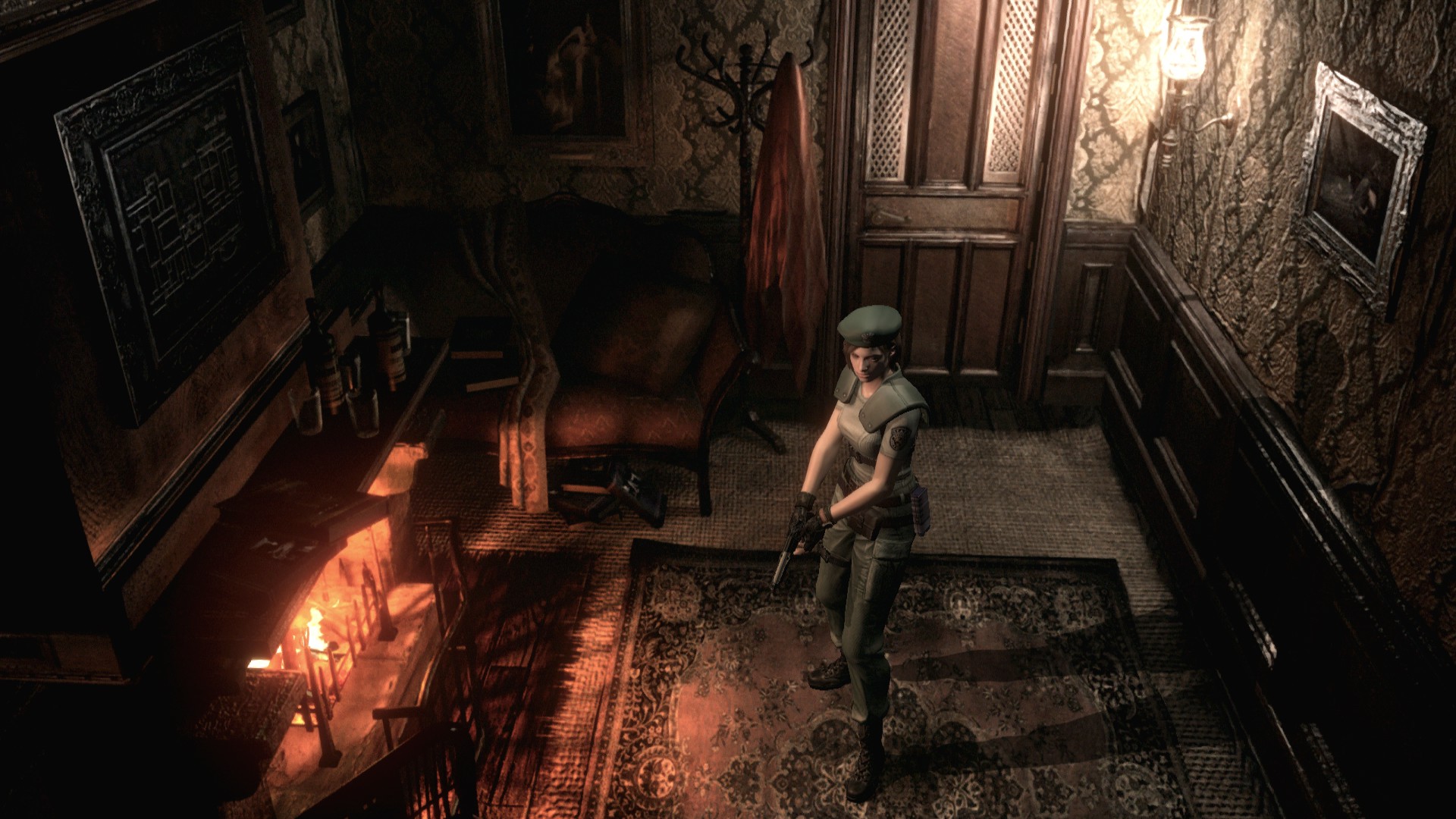
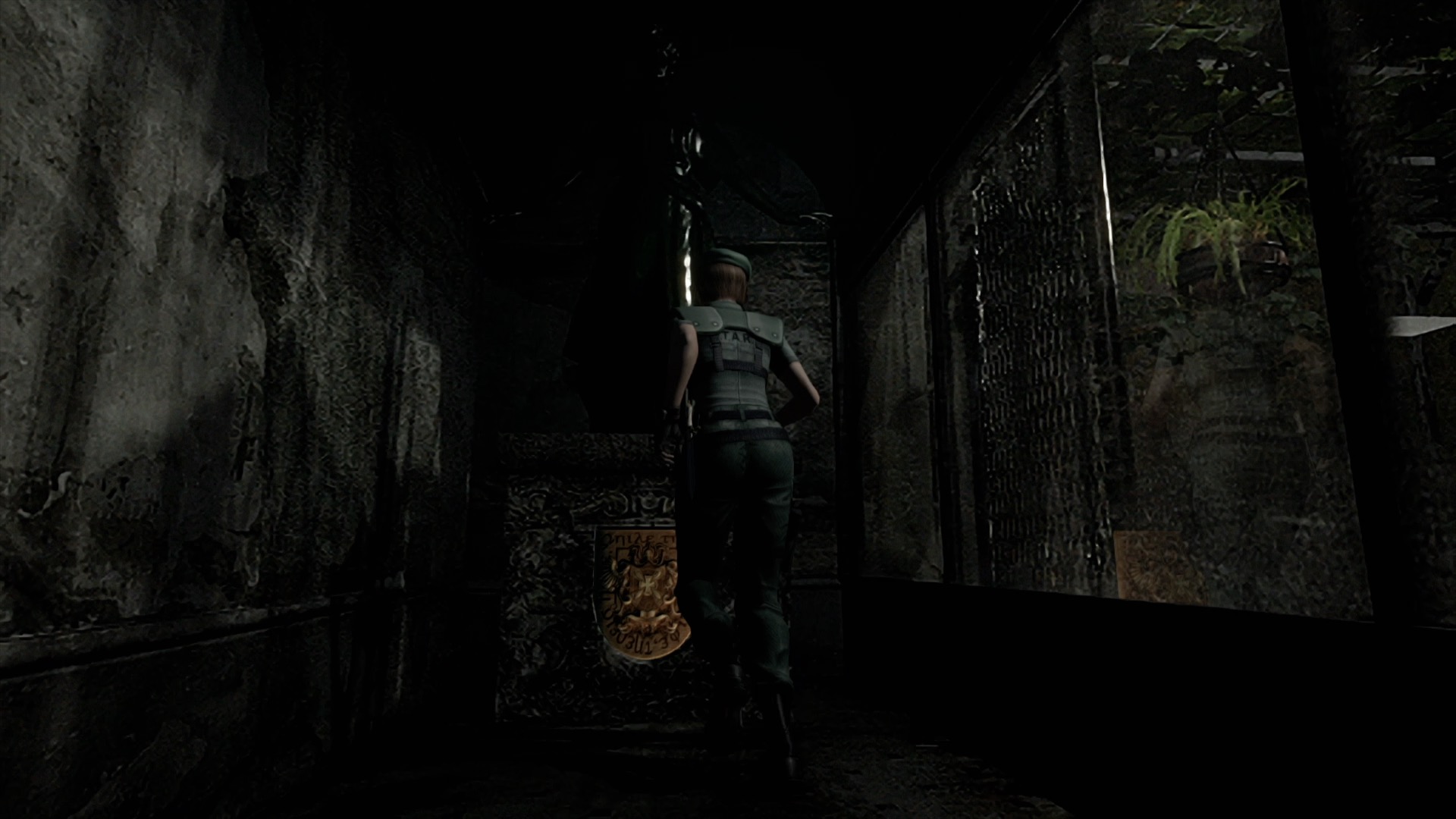
HD Remaster (2015)
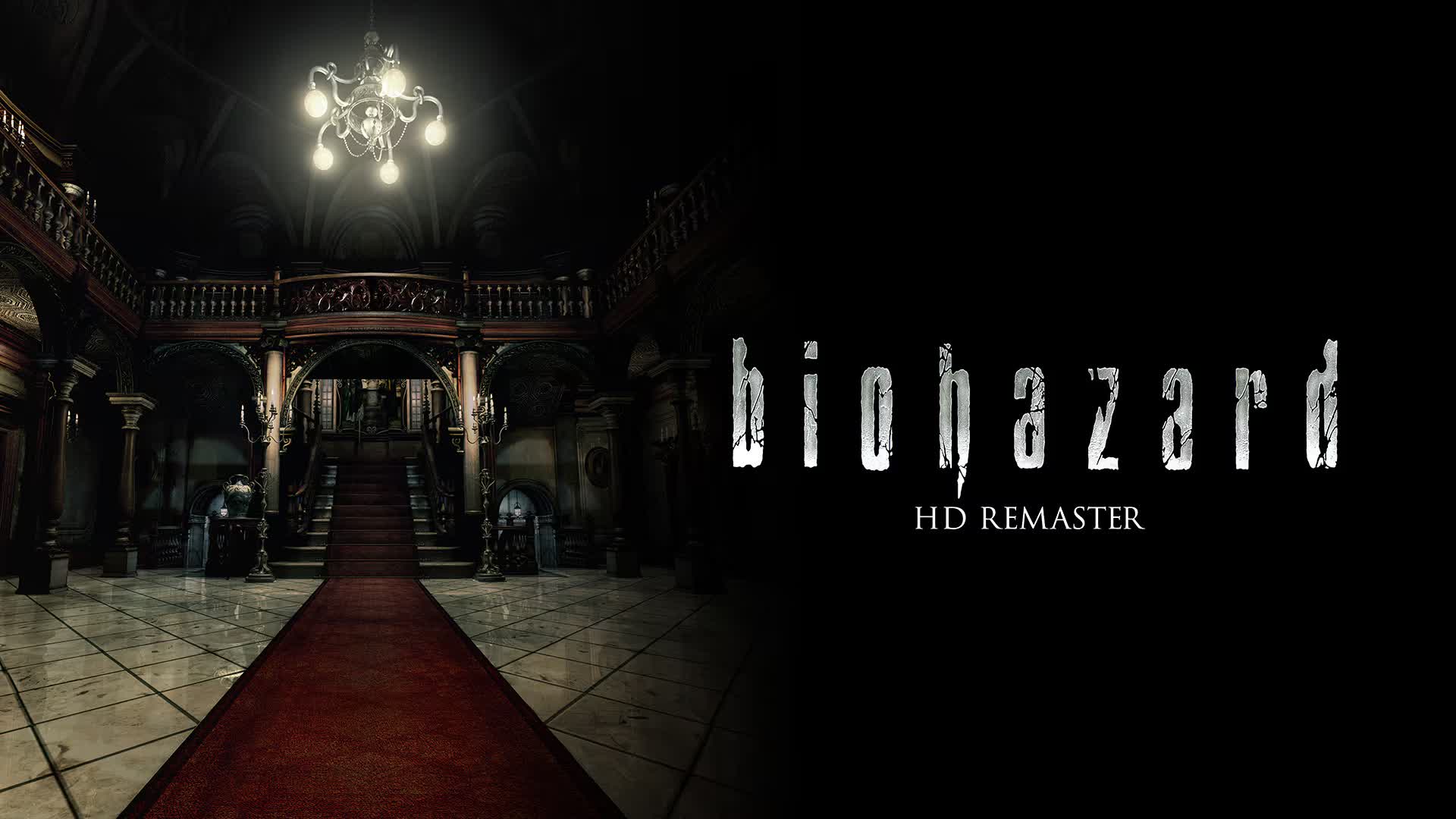
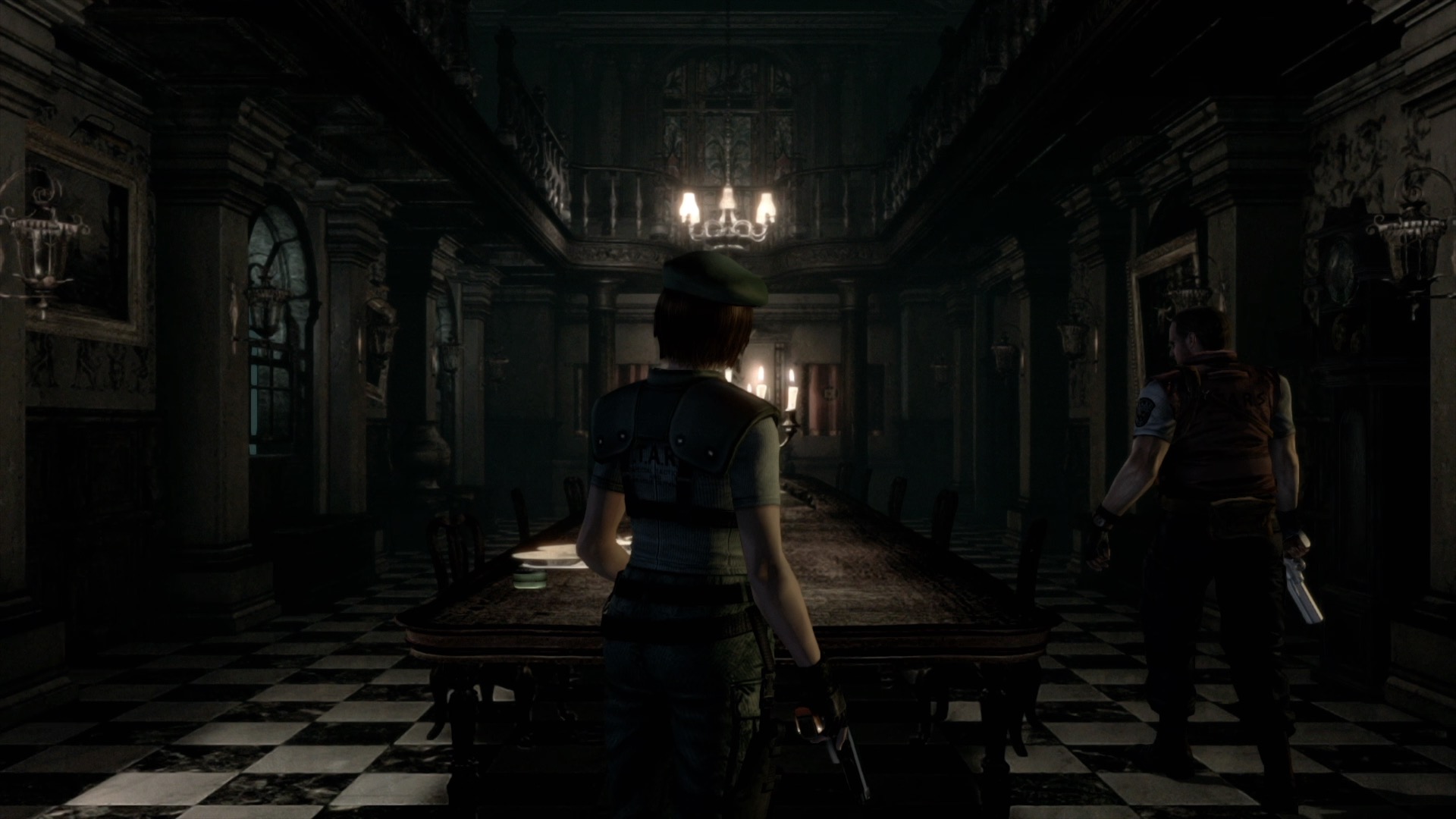
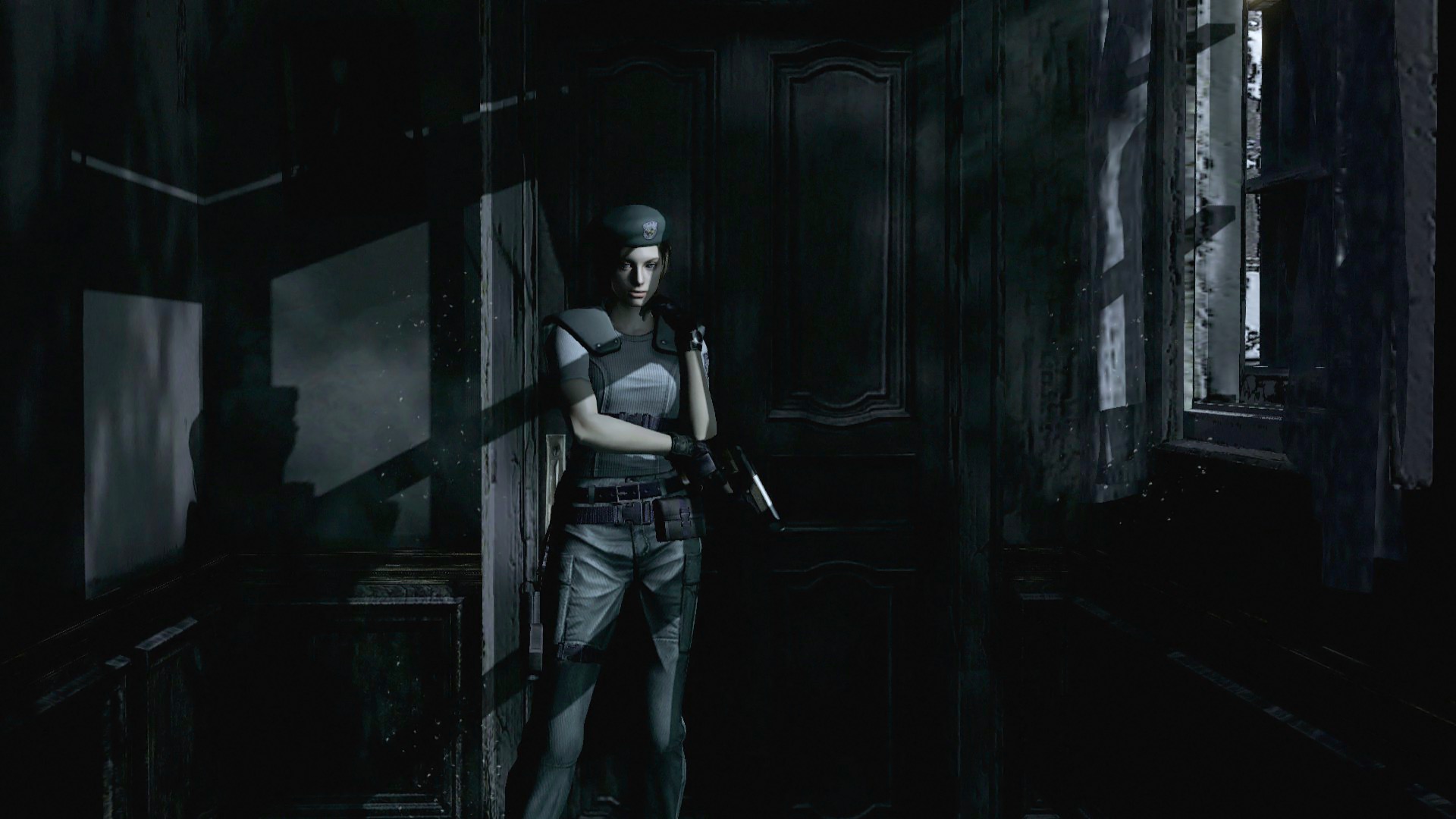
Capcom released an HD Remaster across modern platforms. Rather than re-rendering backgrounds (which would violate original framing), developers implemented vertical scrolling responding to character movement.
An alternate control scheme offering full analog movement replaced traditional tank controls, improving accessibility. The remaster became Capcom's fastest-selling digital title and sold 3.7 million copies by September 2022.
Cultural Impact
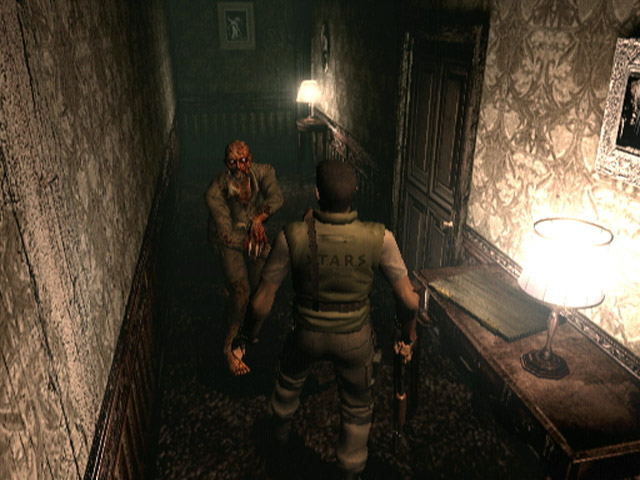
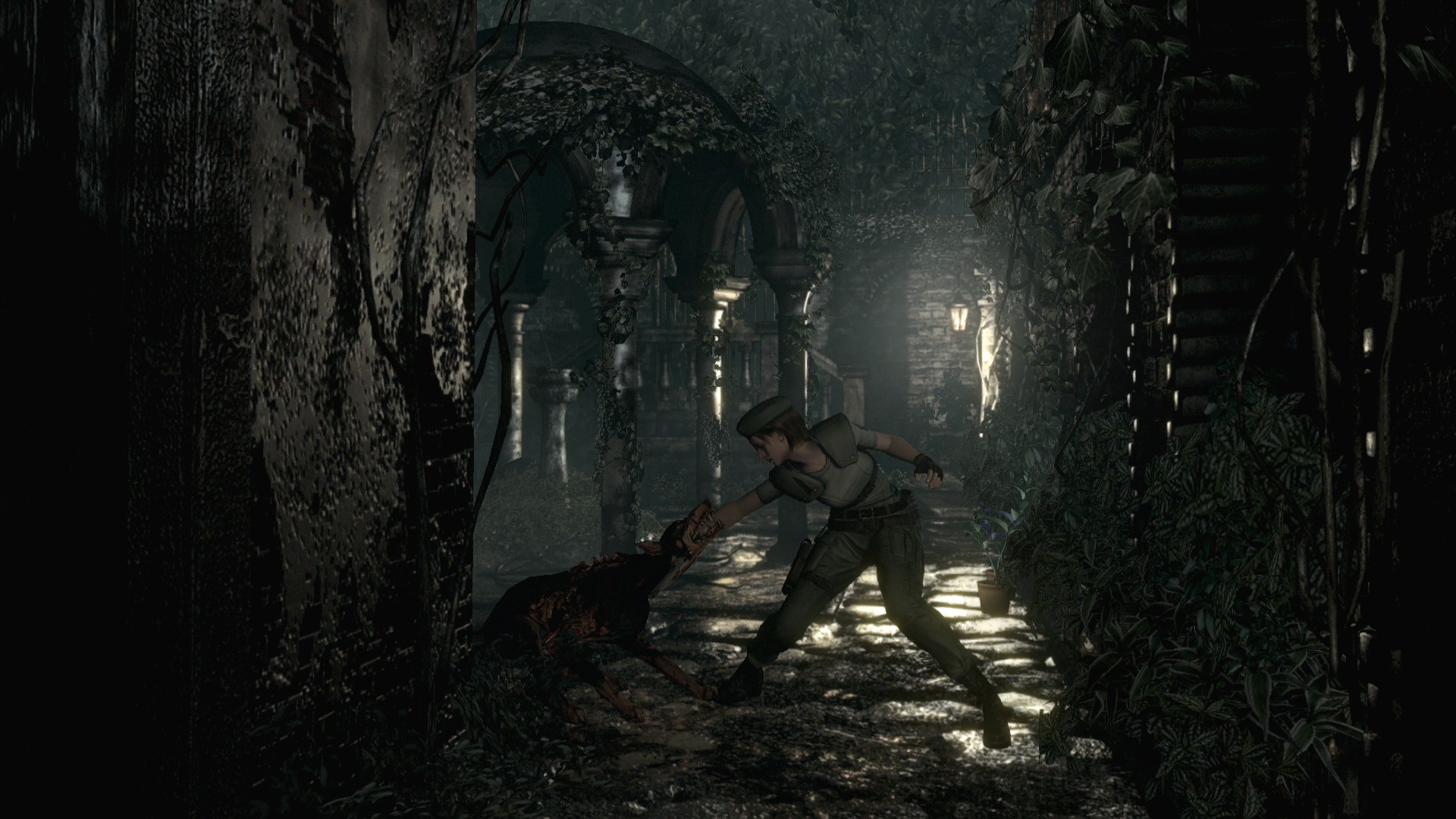
The game established the survival horror genre terminology and influenced countless subsequent titles. Resource scarcity mechanics, limited ammunition, precious health items, rationed save ribbons, created tension exceeding pure action games. The infamous zombie dog sequence through windows exemplifies masterful pacing and jump-scare design that traumatized an entire gaming generation.
The original trilogy continued with Resident Evil 3, which introduced Nemesis, one of gaming's most iconic antagonists, and expanded the action-oriented gameplay that defined the series' evolution.
Gallery

Get Gaming News and Features First
Stay updated with the latest gaming news and exclusive content.