Resident Evil 3: How Nemesis Changed Horror Gaming Forever
From rushed spin-off to survival horror landmark. Explore Biohazard 3's troubled development, Nemesis creation, and the 2020 remake that divided fans.
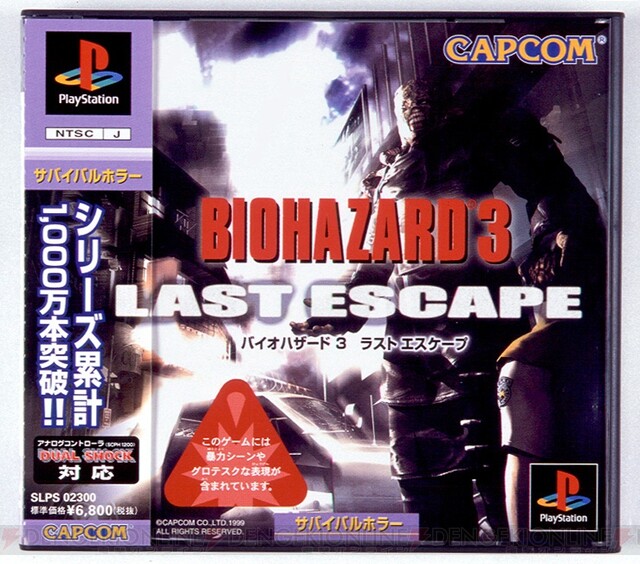
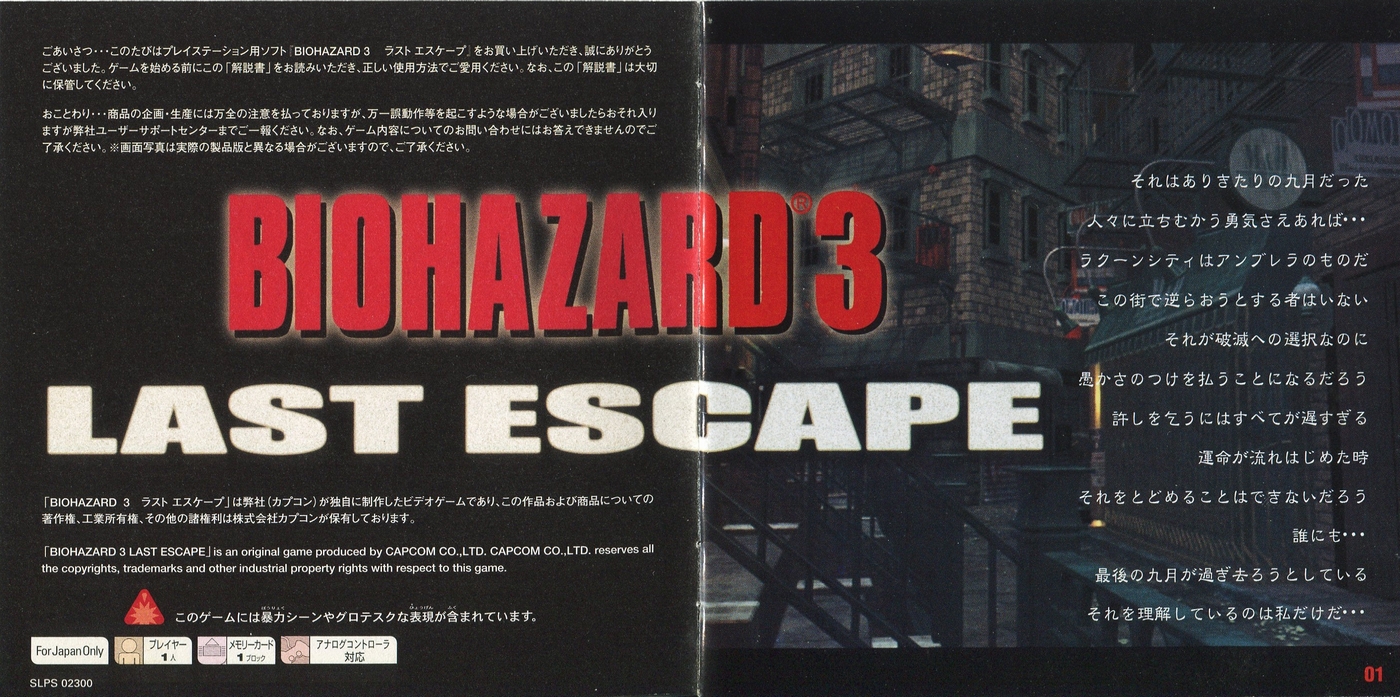
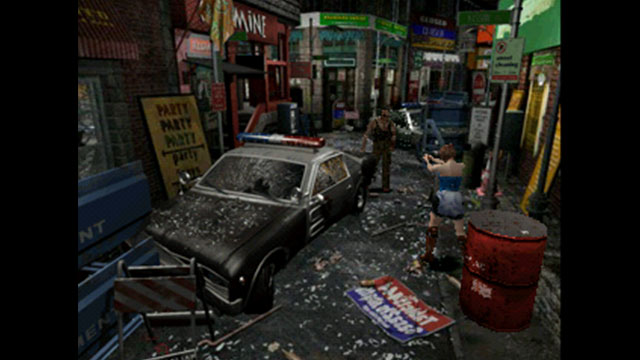
The third numbered entry in the Resident Evil series almost never existed as a mainline title. What began as a modest spin-off project became one of the most influential horror games ever made, introducing a stalker enemy so terrifying that it redefined what players expected from the genre. Resident Evil 3: Nemesis, known in Japan as Biohazard 3: Last Escape, launched on September 22, 1999, and forever changed how we think about being hunted.
The original PlayStation release sold 3.5 million copies worldwide, cementing Jill Valentine's return as a triumphant success. Two decades later, Capcom's 2020 remake would sell over 10 million copies, though not without controversy over what was gained and lost in translation. This is the story of both games: from a rushed development that nearly saw the series' creator walk away, to a modern reimagining that divided fans while introducing Nemesis to a new generation.
From Spin-off to Sequel
The origins of Resident Evil 3 lie in corporate necessity and creative compromise. When Sony announced the PlayStation 2, Capcom realized they couldn't afford years of development on another major sequel. Director Hideki Kamiya's team was working on what would become Resident Evil 4, but that project was years from completion. Capcom needed something to release before the hardware transition.
The solution came from a smaller project already in development. Beginning in October 1998, a team of approximately twenty people under director Kazuhiro Aoyama was creating what was internally called Biohazard Gaiden or Biohazard 1.9. This spin-off would tell a smaller story set during the Raccoon City outbreak, never intended to be a numbered sequel.
Executive producer Yoshiki Okamoto made the controversial decision to promote this spin-off to mainline status. Two full months were cut from the already tight development schedule. The reasoning was brutally practical: releasing the game five months before the PlayStation 2 launch guaranteed at least one million sales without cannibalizing Kamiya's project.
These changes infuriated producer Shinji Mikami, who saw it as executive meddling in creative affairs. According to reports, Mikami quit Capcom following three days of failed renegotiation. The departure was overturned soon after, but the incident illustrated the tensions surrounding the project's troubled birth.
The original concept had been even more ambitious. Screenwriter Yasuhisa Kawamura revealed that early plans involved a luxury cruise ship setting, with Umbrella operative Hunk pursuing the G-virus as the central plot. When this proved too complex for the compressed timeline, the cruise ship concept was shelved and eventually evolved into Resident Evil CODE: Veronica for the Dreamcast.
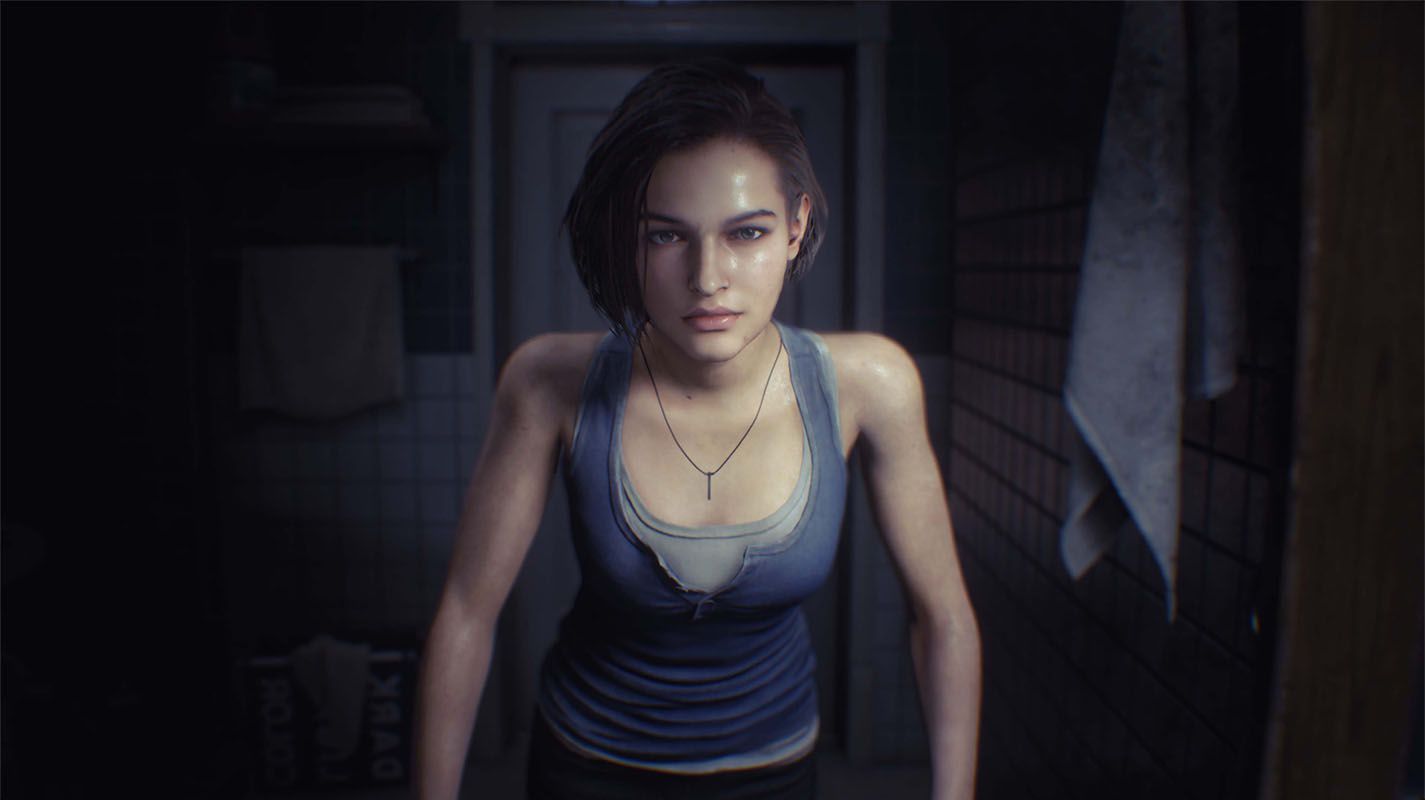
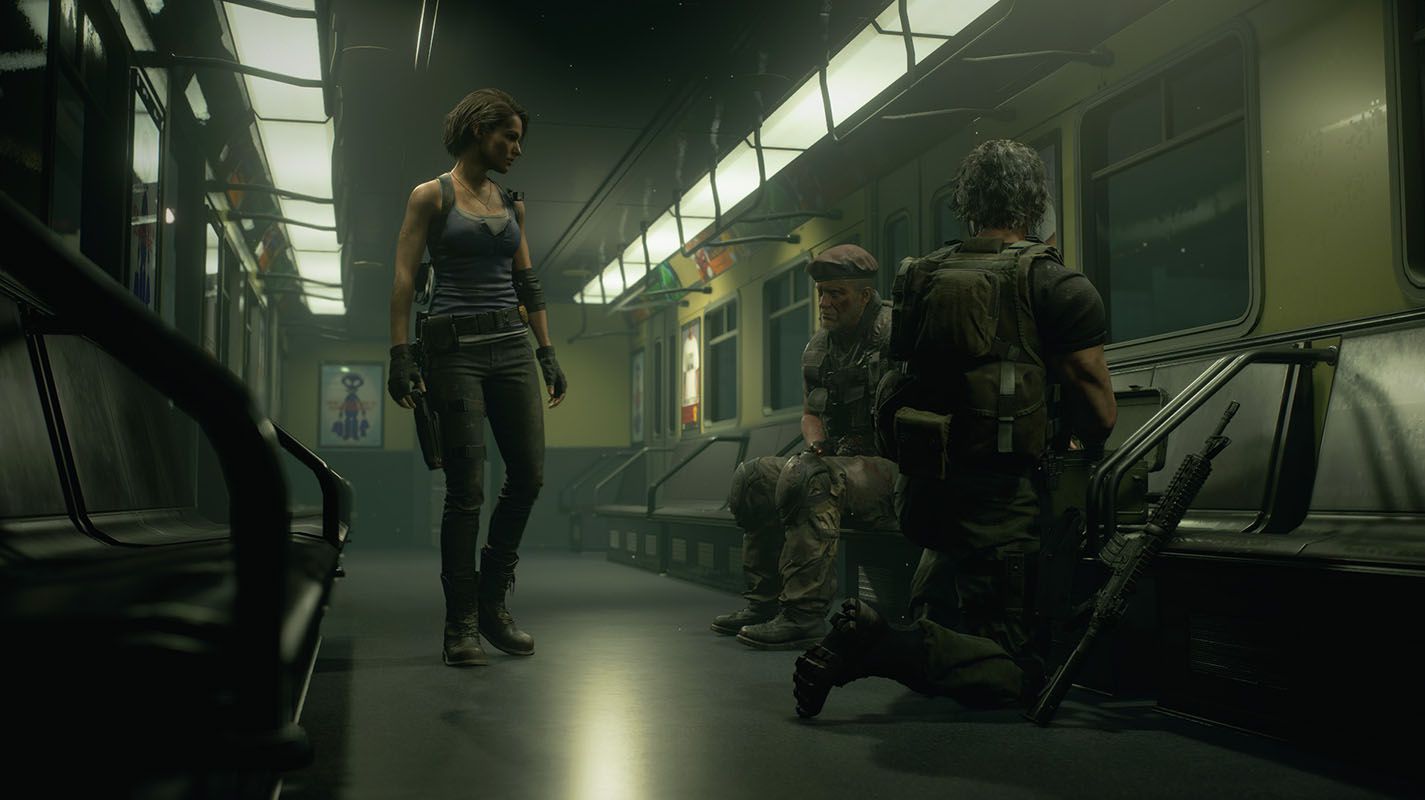
Jill Valentine became the protagonist by process of elimination. Chris Redfield and Claire Redfield were already committed to CODE: Veronica, leaving Jill as the most recognizable character available. The story was positioned between the first two games, depicting Jill's escape from Raccoon City during the outbreak that would ultimately claim the entire city.
The inexperienced team presented both challenges and opportunities. Director Aoyama had worked on Resident Evil 2 but was stepping into a leadership role for the first time. Screenwriter Yasuhisa Kawamura admitted he had almost no experience with the Resident Evil series, requiring him to play through the first game to understand the world before writing. Flagship, the company responsible for previous series scripts, provided continuity supervision, reviewing the screenplay to ensure consistency with established canon. Monthly meetings gathered all directors and producers to identify and resolve problems collaboratively.
Aoyama later reflected in official interviews that company development policies changed direction repeatedly during production, creating additional stress on an already overworked team. The Night of the Living Dead served as an initial inspiration, envisioning hordes of zombies appearing from all directions while the protagonist sought refuge in a mansion. This concept evolved as Capcom pushed for a more action-oriented experience, leading to the urban setting and Jill's aggressive capabilities.
Creating the Ultimate Predator
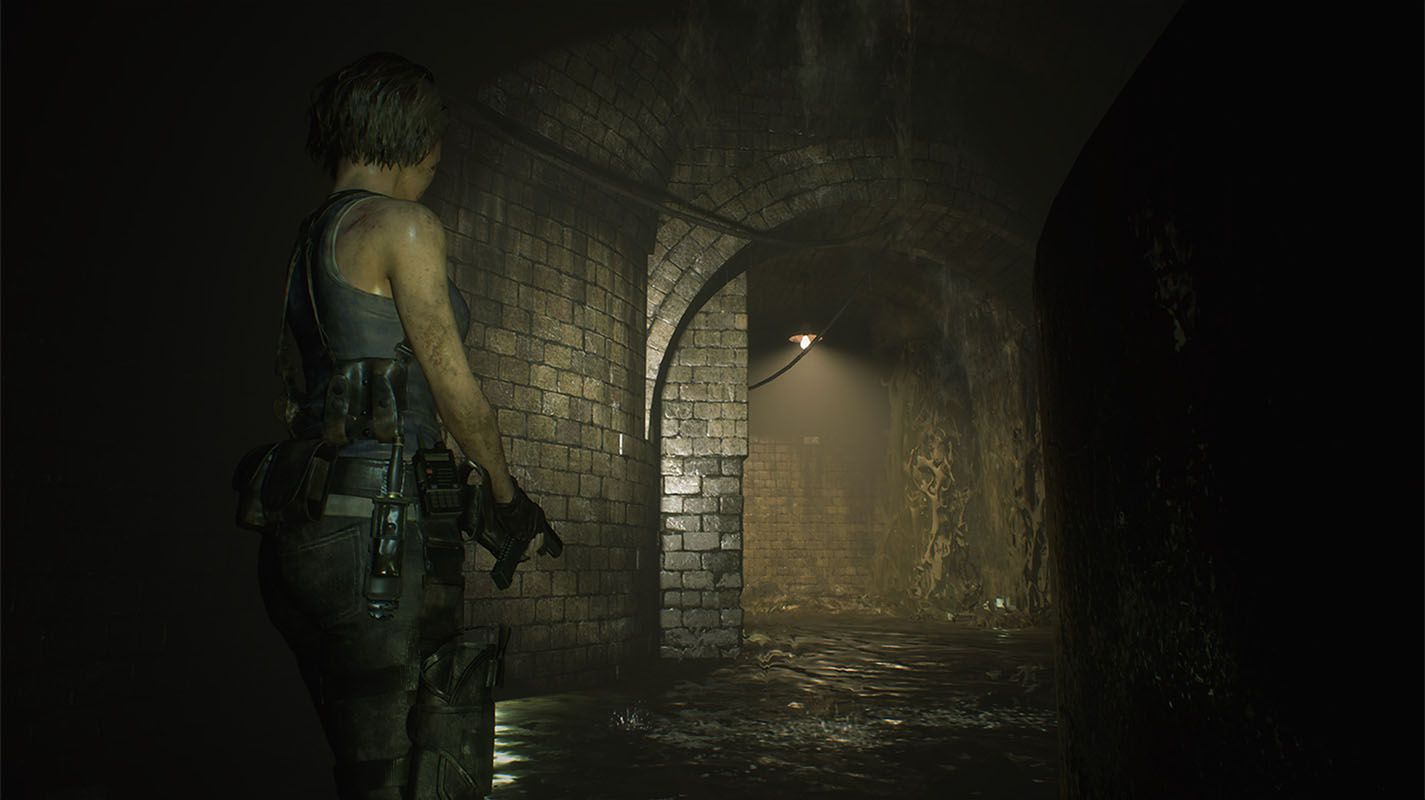
The Nemesis T-Type represents one of gaming's most iconic antagonists, but its creation involved significant iteration and creative dead ends. Producer Shinji Mikami wanted to introduce what he called a new kind of fear into the game: a persistent feeling of paranoia. The Nemesis would embody this concept.
The design team initially drew inspiration from the T-1000 in Terminator 2: Judgment Day. Their first concept was a slime creature capable of bypassing obstacles by liquifying past doors or melting through barriers. While technically interesting, the design failed in practice. Without a recognizable form, the stalker aspect was lost on players. There was no cohesion, no sense of a consistent threat pursuing them.
The team started over, this time building from the Tyrant enemy established in the original game. The new direction focused on creating what designers described as a huge, overpowering monster that could use weapons and intelligently track you anywhere. Additional inspiration came from George Romero's Day of the Dead, lending the creature a sense of relentless, almost thoughtful menace.
Mikami explained the philosophy behind Nemesis appearances in interviews: when it disappears after the first confrontation, you live in constant dread of the next attack. This psychological dimension elevated Nemesis beyond a simple boss encounter into something that haunted players throughout their entire experience.
The creature evolves through three distinct forms during the game. The initial Terminator form wears a limiter coat and carries a rocket launcher, hunting Jill with terrifying precision. After sustaining heavy damage, the second Alien form emerges, shedding the coat to reveal extendable tentacles capable of striking from distance. The final Queen Alien form appears after Nemesis absorbs a dead Tyrant, transforming into a massive blob of flesh with tentacle limbs and a corrosive acid attack.
The lore behind Nemesis reveals fascinating biotechnology. The Nemesis Alpha parasite, implanted in a T-103 Tyrant host, provides the creature's intelligence and relentless drive. By the final encounter, the parasite has essentially consumed its host body, using the remaining flesh as little more than raw material for continued mutation. When it devours another Tyrant's remains, the parasite achieves its monstrous final form: a hulking mass with beak-like mandibles capable of spitting corrosive venom.
While there are only three mandatory boss encounters with Nemesis, the creature appears an additional ten times throughout the game in optional confrontations. These encounters offered risk-reward decisions: fleeing preserved resources but forfeited exclusive item drops. Skilled players who defeated Nemesis at every opportunity earned the best equipment in the game, including weapon parts and powerful ammunition. Jill ultimately destroys Nemesis using the experimental rail cannon in the Dead Factory, with players choosing whether to execute the fallen creature or simply escape before Raccoon City's nuclear sterilization.
In a delightful bit of voice acting trivia, Nemesis was voiced by Tony Rosato, an Italian-Canadian actor better known for voicing Luigi in The Adventures of Super Mario Bros. 3 and Super Mario World. Rosato, born December 26, 1954, also voiced the doomed survivor Dario Rosso in the same game, meaning the same actor provided both predator and prey.
Revolutionary Mechanics
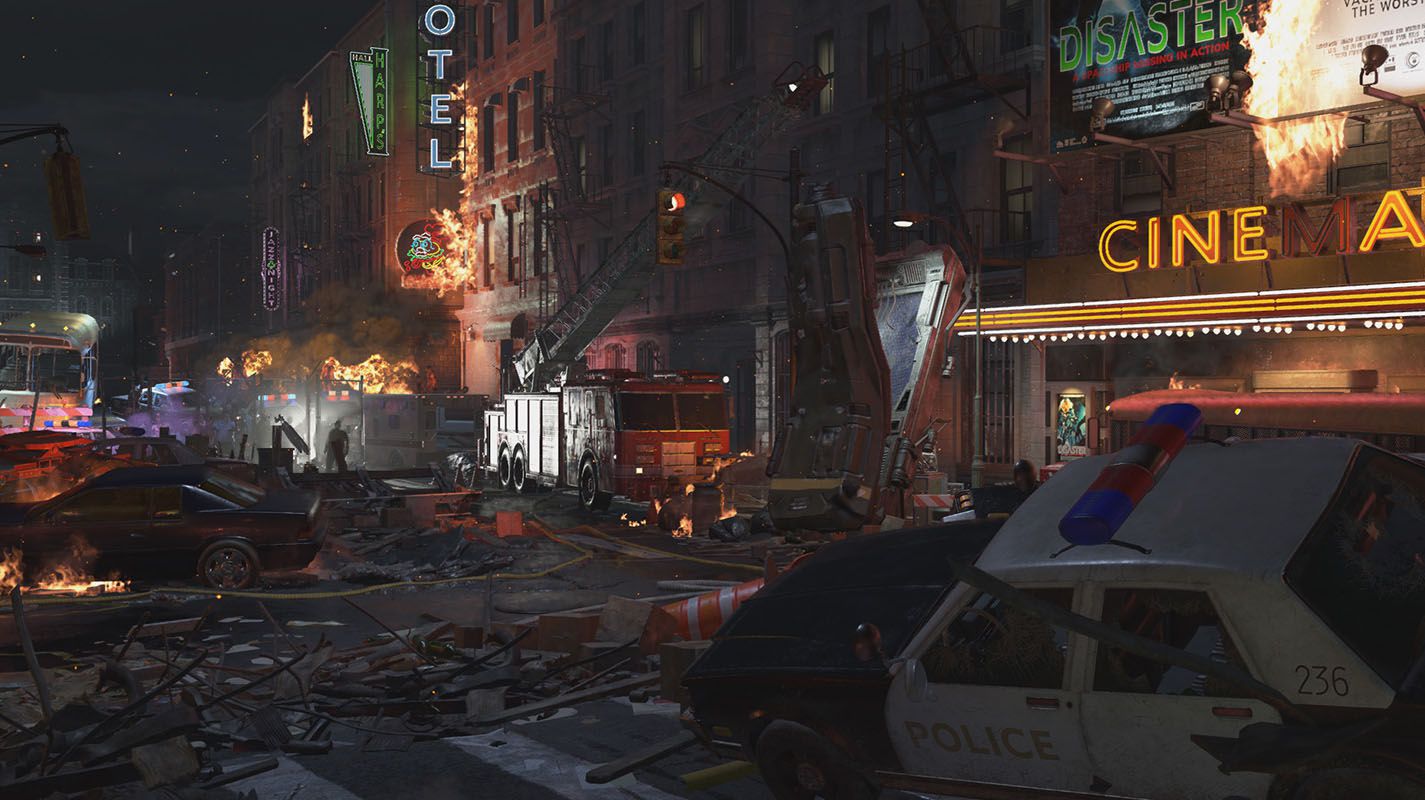
Resident Evil 3 introduced several gameplay innovations that would influence the series for decades. The most significant was the Emergency Dodge system, the first defensive maneuver in the franchise's history.
Rather than a full dodge roll, the mechanic functioned more as a parry. If players pressed the aim button just before an enemy attacked, their character would push the enemy away, duck, or roll out of harm's way. Successful dodges during a roll temporarily increased fire rate, rewarding skilled timing with offensive advantages. The Official U.S. PlayStation Magazine criticized the feature as impractical and timing-dependent, but many players embraced the added depth it brought to combat encounters.
The 180-degree Quick Turn allowed players to instantly reverse direction, a seemingly simple addition that fundamentally changed how players navigated threatening situations. By pressing the run button while retreating, Jill could spin to face the opposite direction, enabling rapid escapes and tactical repositioning. This feature became standard in subsequent Resident Evil games and was retroactively added to remakes of earlier entries.
The Live Selection system represented the most ambitious narrative innovation. At nine points throughout the game, players faced time-limited choices that affected story progression. If no selection was made before the timer expired, the game forced a choice, usually resulting in additional damage or a less favorable outcome.
These choices created meaningful consequences. During the cable car sequence, choosing to jump out the window meant entering the clock tower through the back door, with Carlos providing freeze rounds for the grenade launcher. Selecting the emergency brake led to a front courtyard entrance with no ammunition gift but Carlos appearing during the subsequent Nemesis fight to destroy its rocket launcher. The branching paths encouraged multiple playthroughs and gave players genuine agency over their survival.
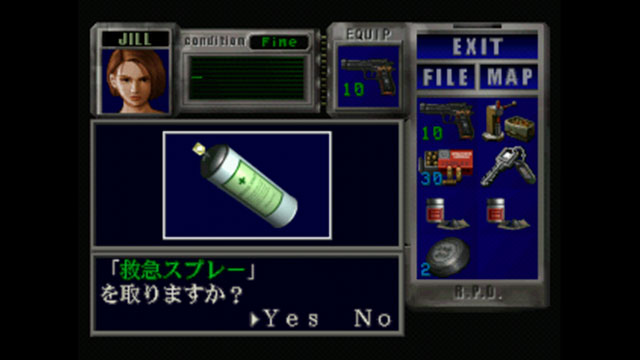
The gunpowder mixing system added resource management depth through ammunition crafting. Three powder types, designated A, B, and C, could be combined using the Reloading Tool to create various ammunition. Powder A produced handgun bullets, Powder B created shotgun shells, and Powder C yielded grenade rounds. Combinations like AA made flame rounds, BB produced acid rounds, and CCC generated precious magnum ammunition.
A hidden progression system rewarded dedicated crafters. After mixing gunpowder seven times, subsequent combinations produced enhanced ammunition with improved damage. This encouraged players to engage with the crafting system throughout their playthrough rather than hoarding supplies for emergencies.
Voices of the Escape
The English voice cast brought Resident Evil 3's desperate survival story to life, though the production continued the series tradition of Canadian voice actors performing in Japan.
Catherine Disher provided Jill Valentine's voice, bringing experience from her prominent role as Jean Grey in the beloved 1990s X-Men animated series. Disher's performance captured both Jill's determination and vulnerability as she fought through the infested city. Her other notable work included Night Heat and the War of the Worlds television series.
Carlos Oliveira was voiced by Vince Corazza, giving the Umbrella mercenary a charming roguishness that balanced his moral ambiguity. Carlos represented a departure for the series, placing players temporarily in control of someone working for the enemy corporation, albeit unknowingly in some cases.
Every Version of Last Escape
PlayStation (1999)
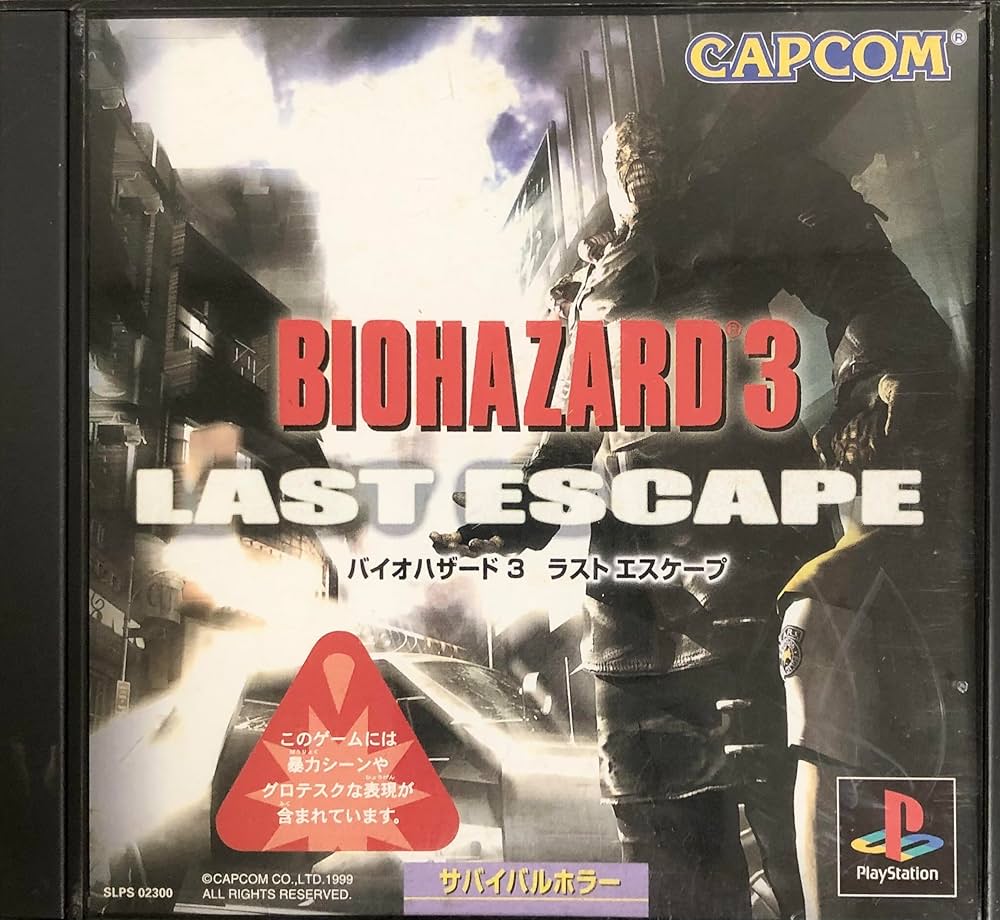
The original PlayStation release arrived on September 22, 1999, in Japan and November 11, 1999, in North America. Despite the compressed development schedule, the game achieved remarkable polish. Within the first month, worldwide sales exceeded one million units. In the United States, NPD reported the game topped PlayStation sales charts for two consecutive weeks in November. The UK release earned Gold certification from the Entertainment and Leisure Software Publishers Association for exceeding 200,000 copies.
PC/Windows (2000)
The Windows port expanded the game's reach to computer players but received criticism for its control implementation. Reviewers noted that keyboard and mouse input felt poorly adapted, and the save system proved frustrating for players accustomed to saving at will rather than at designated typewriter locations.
Dreamcast (2000)
The Dreamcast version, released November 16, 2000, in Japan, included all PC enhancements plus a unique online feature. After completing The Mercenaries mode, players could upload their scores to online leaderboards, a novel concept for console gaming at the time. However, the pre-rendered backgrounds appeared less crisp on Dreamcast hardware, leading some to consider it visually inferior to the PlayStation original despite the console's superior specifications.
GameCube (2003)
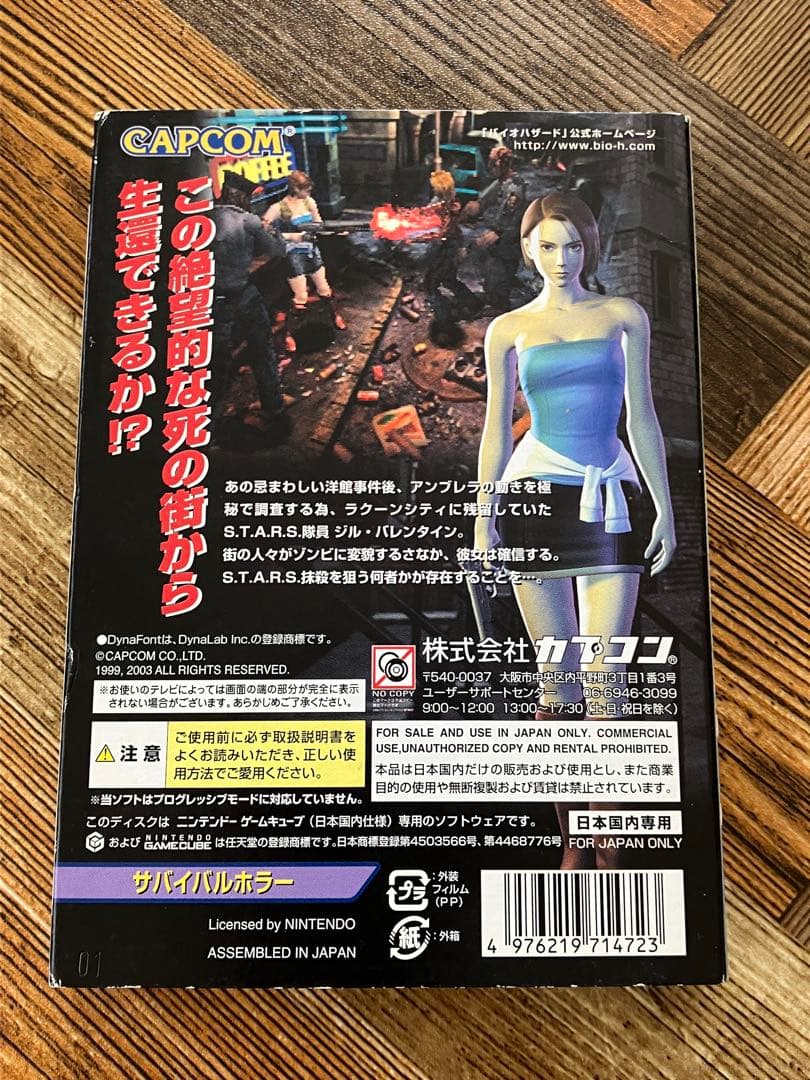
The GameCube port arrived January 23, 2003, in Japan as part of Capcom's exclusivity arrangement with Nintendo. Reception was mixed, with critics noting that the high retail price seemed unjustified given the visually dated graphics. North American GameCube sales reached only 41,395 units by November 2003, a fraction of the original's success.
The Mercenaries: Operation Mad Jackal
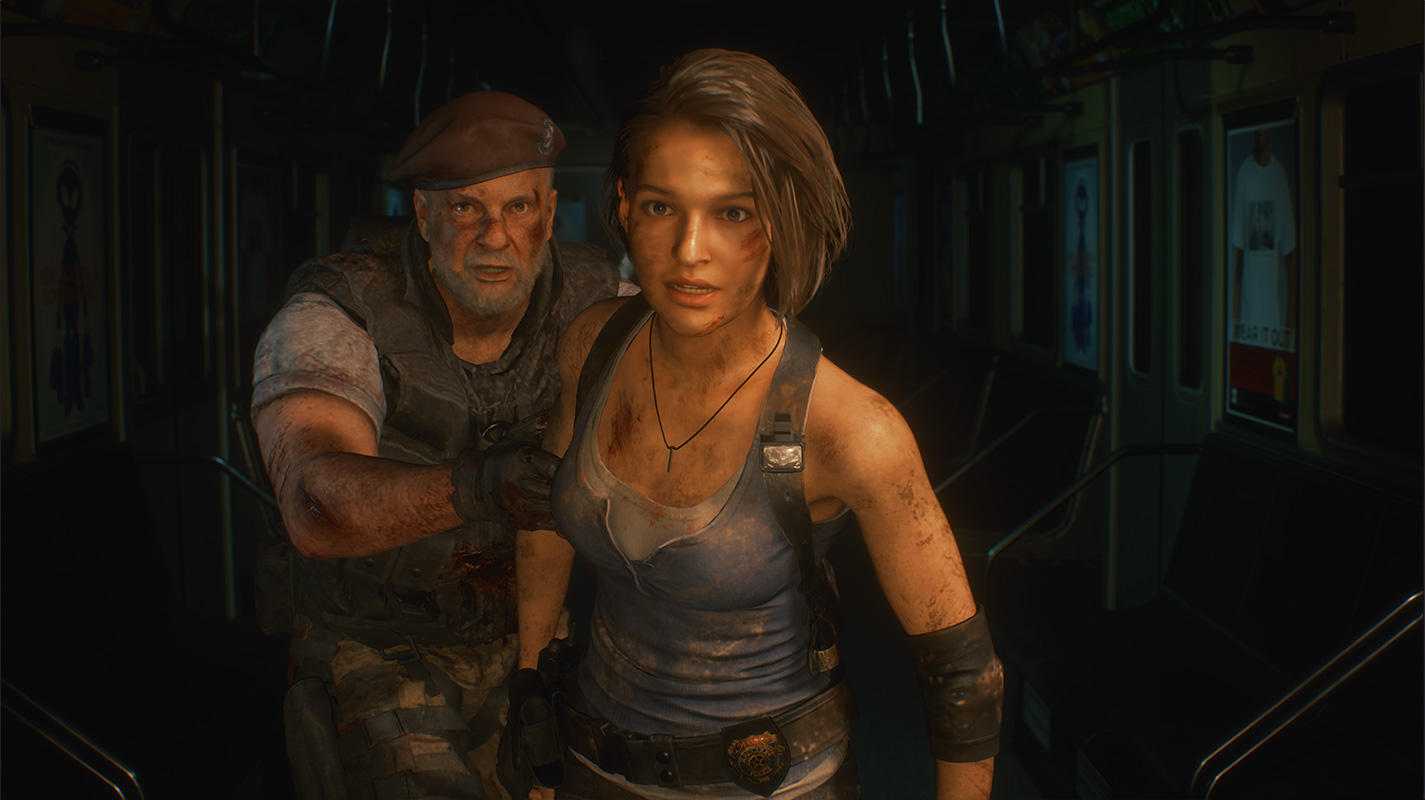
Completing the main campaign unlocked one of the most beloved bonus modes in Resident Evil history. The Mercenaries: Operation Mad Jackal challenged players to navigate through Raccoon City within a time limit, earning seconds by defeating enemies and rescuing hostages.
Three playable characters offered distinct playstyles. Carlos Oliveira wielded the rapid-firing M4A1 assault rifle and STI Eagle handgun. His loadout favored aggressive play, though no spare assault rifle ammunition existed in the mode, encouraging players to rely primarily on the handgun for standard encounters.
Mikhail Victor represented the power fantasy option. Armed with a Benelli shotgun capable of clearing multiple zombies simultaneously, the S&W .44 Magnum for one-shot kills on tough creatures, and an M66 Rocket Launcher for emergencies, Mikhail could devastate anything in his path. The tradeoff came in reduced healing items, demanding careful resource management despite overwhelming firepower.
Nicholai Zinoviev provided the expert challenge. Equipped with only a SIGPro handgun and survival knife, Nicholai demanded mastery of the dodge mechanic to survive. The reward justified the risk: while most weapons granted three seconds per kill, knife eliminations added twenty-four seconds to the timer. Skilled players could achieve remarkable scores by dancing through hordes of undead, blade flashing.
Accumulated money from Mercenaries runs could purchase upgrades for the main campaign: an infinite ammunition Assault Rifle, Gatling Gun, Rocket Launcher, or universal infinite ammunition for all weapons. These rewards transformed subsequent playthroughs into power trips, allowing players to experience the story without resource anxiety.
Hidden Secrets
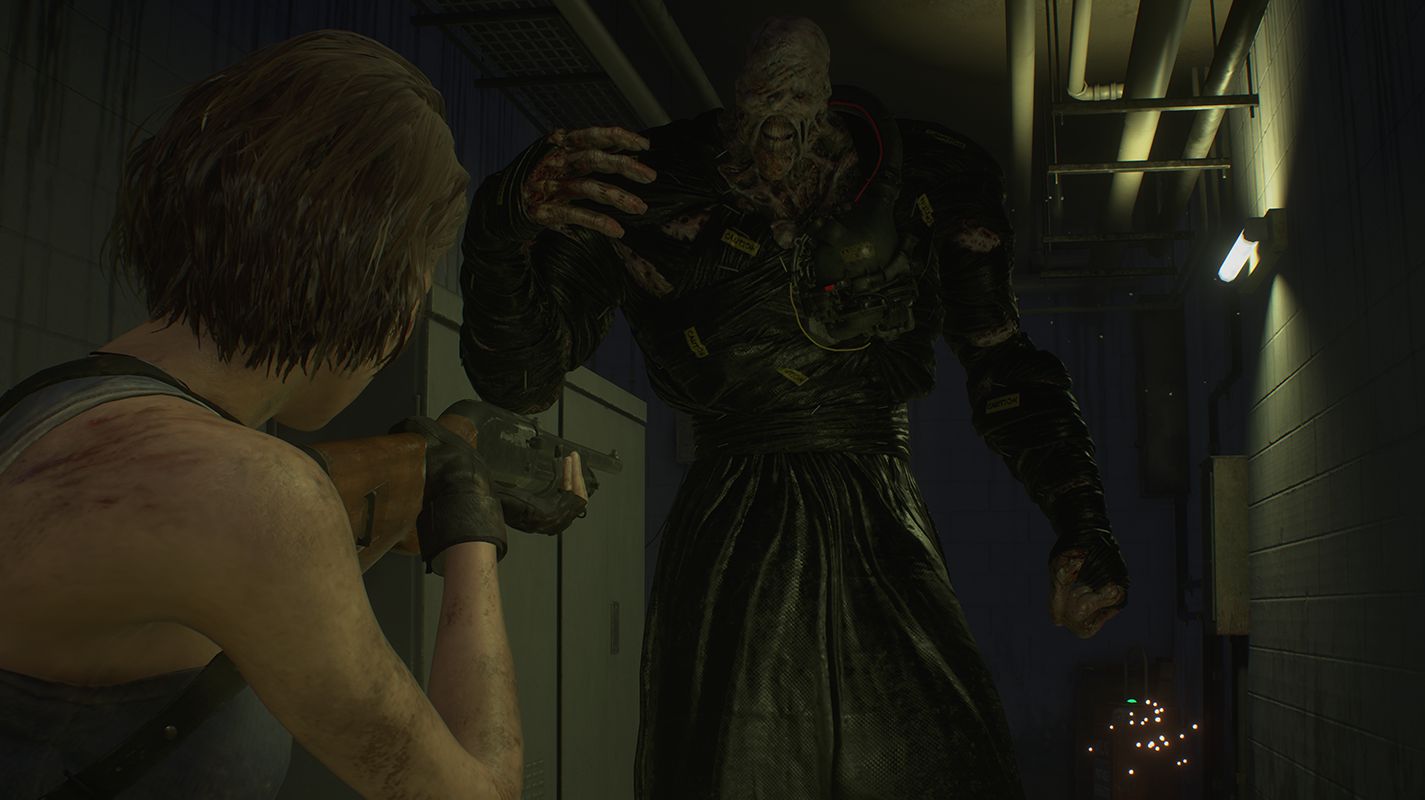
Director Kazuhiro Aoyama left personal marks throughout Raccoon City for observant players to discover. A tombstone bears his name written in reverse: AMAYOA ORIHUZAK. The BIG WEST reference, reading Oonishi when deciphered, represented another designer's playful contribution. Aoyama himself acknowledged in interviews that jokes may have escaped from my checking and invited players to share any discoveries.
Fighting Nemesis in optional encounters yielded exclusive rewards unavailable through normal exploration. Each victory dropped valuable items, incentivizing confrontation over avoidance despite the obvious risks. The game tracked these encounters, and dedicated players who defeated Nemesis at every opportunity received the best equipment.
Multiple endings depended on Live Selection choices and certain conditions throughout the game. The final confrontation offered one last decision: execute the defeated Nemesis with remaining ammunition, or leave it to perish in the nuclear explosion that would sterilize Raccoon City. Neither choice affected gameplay, but they represented the player's final statement on their relationship with their relentless pursuer.
Barry Burton makes a welcome appearance in one ending, arriving via helicopter to extract Jill and Carlos from the doomed city. His return connected the game to the original while providing a satisfying conclusion for players who had followed the series from the beginning.
Reborn in Controversy: The 2020 Remake
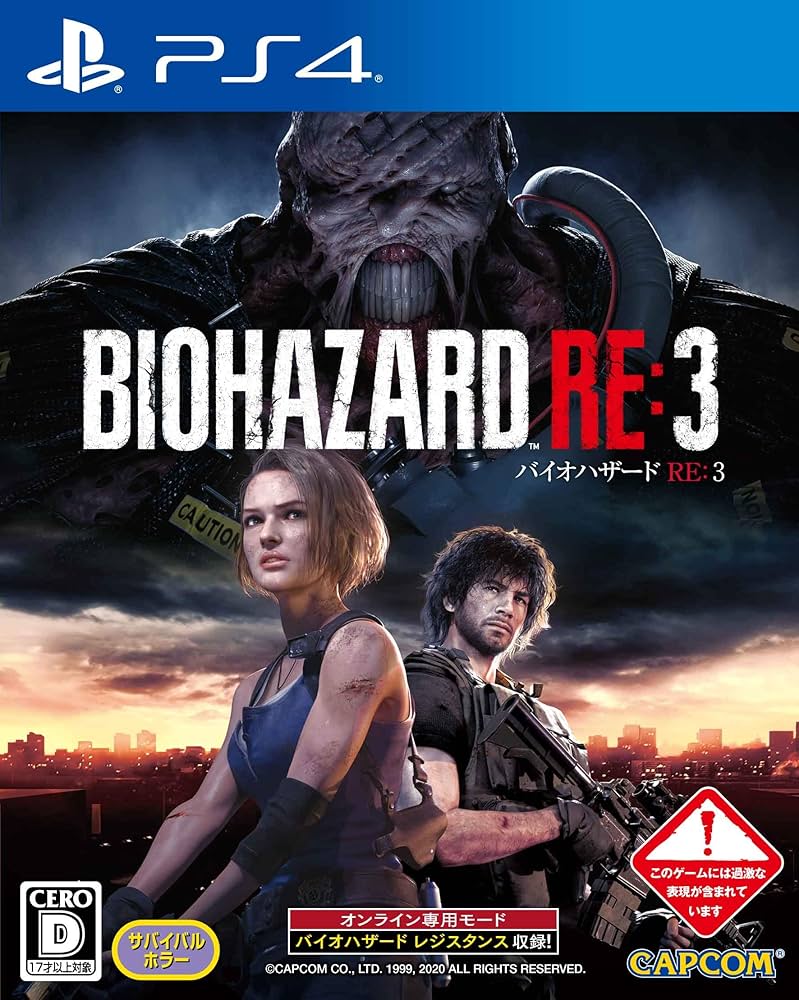
Development of the Resident Evil 3 remake began shortly after Capcom started work on the Resident Evil 2 remake. The goal was completing a trilogy of remakes following the 2015 HD remaster of the original game's 2002 GameCube version.
Capcom partnered with external studios for development. M-Two, founded by former PlatinumGames CEO Tatsuya Minami, took a leading role alongside Capcom subsidiary K2 Inc and Red Works. Director Kiyohiko Sakata brought unique credentials: he had worked as a programmer and designer on the original Resident Evil games through the fourth entry before departing for PlatinumGames.
In a fascinating what-if, original director Kazuhiro Aoyama revealed in interviews that Capcom approached him about returning to direct the remake. However, the conditions were not right and the collaboration never materialized. Aoyama left Capcom in 2004 and moved to Irem Software, meaning fans never saw what his vision for a modern Nemesis might have been.
The remake utilized Capcom's RE Engine, shared with the Resident Evil 2 remake and Resident Evil 7. This allowed both projects to benefit from shared technology development, though it also meant Resident Evil 3 released just over a year after its predecessor.
What Was Lost
The remake generated significant controversy over cut content. Several iconic locations from the original, including the clock tower exploration, graveyard, park, and city hall, were either removed entirely or drastically condensed. The Live Selection branching system was eliminated in favor of a more linear narrative. Most painfully for longtime fans, The Mercenaries: Operation Mad Jackal was nowhere to be found.
Nemesis itself received criticism for being less dynamic than Mr. X in the Resident Evil 2 remake. Where Mr. X prowled the police station as a genuine stalker who could appear almost anywhere, the remake's Nemesis appeared primarily in scripted sequences. The sense of persistent, unpredictable dread that defined the original was diminished.
Comparisons to the original proved unfavorable in terms of length. According to completion time data, the remake's main story averaged approximately five and a half hours compared to six and a half for the 1999 version, a reduction that felt especially stark given the removed content.
What Was Gained
The remake earned praise for substantially improved writing and character development. Carlos Oliveira received particular attention, transforming from a somewhat flat supporting character into a fully realized partner with genuine chemistry with Jill. Director Sakata stated his goal was telling a more consistent story, and critics largely agreed the narrative benefited from modern sensibilities.
Visually, the game achieved remarkable fidelity. Pre-release materials promised perhaps the best-written game in the entire series with superbly directed cutscenes, and the final product largely delivered on that promise. The RE Engine enabled detailed character expressions and environmental destruction that brought Raccoon City's fall to visceral life.
Resident Evil Resistance
Rather than including The Mercenaries, the remake bundled Resident Evil Resistance, an asymmetric 1v4 multiplayer experience developed by subsidiary NeoBards Entertainment. Four Survivors attempted to escape an Umbrella testing facility while one Mastermind deployed traps, creatures, and direct interventions to prevent their escape.
Mastermind players chose from characters including Daniel Fabron, Annette Birkin, Alex Wesker, Ozwell Spencer himself, and eventually Nicholai Ginovaef as downloadable content. Each possessed unique abilities: Daniel could possess the Tyrant directly, Annette could unleash G-Birkin, and Alex specialized in elaborate trap networks.
Survivor characters included healer Valerie Harmon, hacker January Van Sant, damage dealers Becca Woolett and Samuel Jordan, tank Tyrone Henry, and explosives expert Martin Sandwich. Jill Valentine joined the roster as post-launch content. Success required coordination and role specialization, as solo efforts crumbled against a skilled Mastermind's onslaught.
Resistance found a dedicated audience but struggled to maintain population. The asymmetric format meant Mastermind players faced longer queue times, and balance issues persisted throughout the game's lifespan. Capcom eventually discontinued server support, ending the experiment in multiplayer horror.
Commercial Reality
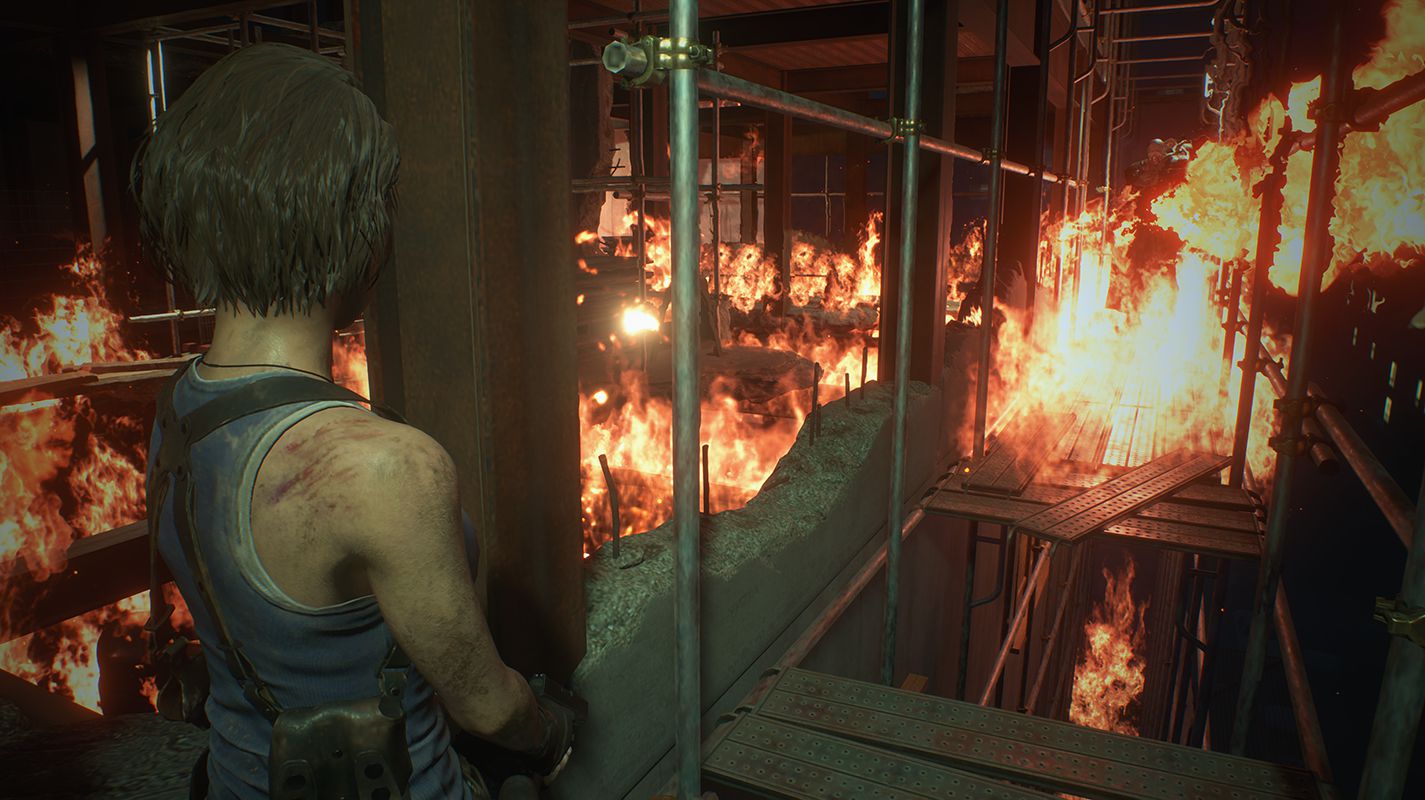
The 2020 remake shipped over two million copies within its first five days, with nearly half representing digital purchases. In Japan, the PlayStation 4 version sold 189,000 copies in its first week, placing second behind the phenomenon that was Animal Crossing: New Horizons.
However, comparisons to its predecessor proved unflattering. The Resident Evil 2 remake sold 4.2 million copies in its first two months; Resident Evil 3 reached only 2.7 million in the same timeframe. The shorter length and cut content likely contributed to slower word-of-mouth momentum.
Long-term sales eventually validated Capcom's approach. By April 2025, the remake reached 10 million copies sold, later climbing to 10.2 million. The Japan Game Awards 2021 recognized the game with an Award for Excellence, and nominations at The Game Awards 2020 for Best Audio Design acknowledged the technical achievements even as the game lost to The Last of Us Part II.
The Relentless Legacy
Nemesis established a template that horror games continue to follow. The concept of an intelligent, persistent stalker enemy that could appear at unpredictable moments influenced everything from Alien: Isolation to Outlast to the very Mr. X reimagining in Resident Evil 2's remake. Where earlier horror games relied on scripted scares, Nemesis demonstrated that systemic dread could be even more effective.
The Mercenaries mode evolved into a series staple, appearing in Resident Evil 4, 5, 6, and eventually receiving standalone releases. The combination of time pressure, scoring systems, and character variety created endlessly replayable experiences that extended each game's lifespan dramatically.
Live Selection represented an experiment the series never fully repeated, perhaps due to the development complexity Aoyama's team faced implementing branching narratives. Yet its influence appears in games that offer meaningful player choice during action sequences, from modern quick-time events to dialogue wheels.
For players who experienced Jill's original escape from Raccoon City, Resident Evil 3 represents something unique in the franchise: a game about running. While other entries emphasized exploration and puzzle-solving, this one captured the desperate sprint for survival when the world is ending and something terrible knows your name.
Twenty-five years later, we still remember that growling voice echoing through burning streets.
STARS.
Gallery
Get Gaming News and Features First
Stay updated with the latest gaming news and exclusive content.