Resident Evil 2: The Perfect Survival Horror Sequel
From a scrapped prototype to 15.8 million copies sold, Resident Evil 2 remains the definitive survival horror sequel across its 1998 original and groundbreaking 2019 remake.
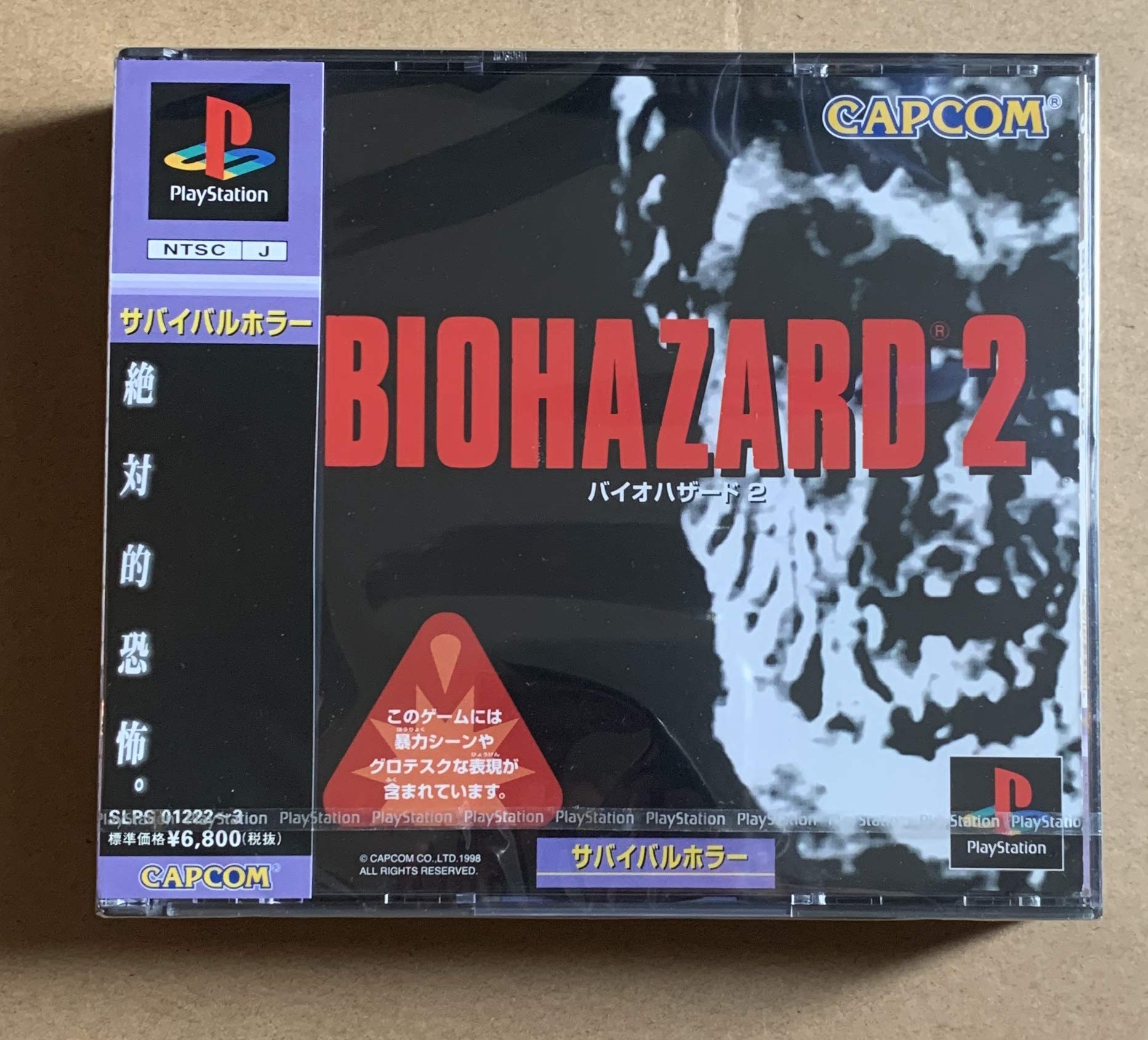
When Capcom released Biohazard 2 in Japan on January 21, 1998, expectations were impossibly high. The original game had transformed from a modest project into a phenomenon, and fans demanded a sequel that would match its terror. What they received exceeded every expectation. Under the direction of first-time director Hideki Kamiya, Resident Evil 2 sold 4.96 million copies worldwide, with 2.15 million in Japan alone, cementing its place as one of the most successful games of the PlayStation era.
Over two decades later, the 2019 remake would surpass even those numbers, selling 15.8 million copies to become the best-selling Resident Evil game in the franchise's history. This is the story of both versions: from a troubled development that nearly derailed everything to a modern reimagining that honored its legacy while terrifying a new generation.
The Ghost of Biohazard 1.5
Development of Resident Evil 2 began just one month after the completion of its predecessor in early 1996. Hideki Kamiya, who had worked as a planner on the original game, was promoted to director for the sequel. At just 25 years old, it was his first time leading a project. The development team consisted of approximately 45 people, largely newcomers who would later become Capcom Production Studio 4.
Shinji Mikami, creator of the original game, took on the role of producer. The relationship between Mikami and Kamiya was not always smooth. In the initial stages, Mikami frequently disagreed with Kamiya's creative decisions and considered taking direct control of the team's direction. Eventually, he withdrew into an overseeing role, demanding to see the latest build only once monthly.
The first version of Resident Evil 2, which fans would later dub Biohazard 1.5, reached somewhere between 60 and 80 percent completion before being scrapped entirely. This version featured Elza Walker, a blonde college student and motorcyclist who sought shelter at the Raccoon City Police Department after crashing her bike through its entrance. Elza was originally known as Rachel Speyer, a relative of the first game's Forest Speyer from S.T.A.R.S. Bravo Team.
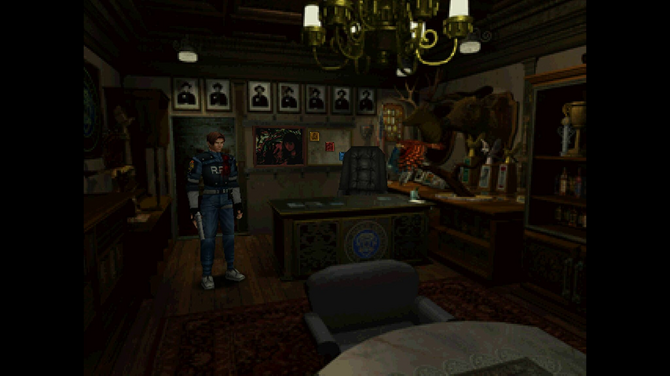
The decision to restart development shocked the industry. Producer Mikami delivered the brutal assessment that no one element was specifically boring, just everything as a whole. Screenwriter Noboru Sugimura, brought in from his work on tokusatsu series like Metal Heroes, offered additional criticism: the game had become too realistic, and the ominous atmosphere from the first game had been completely removed. The police station had been redesigned as a modern building that lacked the gothic menace of the original's mansion.
Rather than complete a game they considered mediocre, the team made the extraordinary decision to start over. Executive producer Yoshiki Okamoto felt the story was too self-contained, making sequels difficult. He brought in Sugimura to reshape the narrative. Elza Walker was replaced by Claire Redfield, sister of Chris from the original game, creating immediate connections to the established storyline.
The scrapped prototype became legendary among fans. With rumors of leaked builds circulating since the 1990s, Biohazard 1.5 became an obsession for preservationists. A small group of fans purchased a build from a collector in 2011 and formed Team IGAS to restore it. In February 2013, the build leaked onto the internet when a trusted member attempted to profit from the work. The leaked version revealed a police station redesigned as a modern building rather than the gothic structure in the final game. Today, modders continue restoration efforts, and Capcom acknowledged the prototype's legacy by including an Elza Walker costume for Claire in the 2019 remake's deluxe edition.
Chief Irons and Cut Mechanics
The redesign affected more than just the protagonist. Police Chief Brian Irons was originally conceived as a standard authority figure, wearing his uniform properly and speaking like a normal officer. Screenwriter Sugimura took credit for transforming him into the disturbed taxidermist of the final game. When the police station was redesigned from a modern building to a repurposed art museum, someone noted it would be strange to have hunting medals lying around. Sugimura's solution was simple: make the police chief a collector with deeply unsettling hobbies.
Director Kamiya also revealed that team members had requested action-oriented features during development, including a dodge roll and enhanced knife attacks. Producer Mikami allowed testing of these mechanics, but the results were clear: action elements completely undermined the threat posed by zombies. When players could easily evade enemies, the survival horror tension evaporated. For the same reason, a sword that Chris Redfield could have found in the original game's mansion was cut because it made him feel too heroic.
Hollywood Dreams and the Zapping System
Director Kamiya had a clear vision for the restart. To achieve Capcom's sales target of two million copies, he proposed making the story more ostentatious and Hollywood-like to attract new customers. The game would be bigger, more cinematic, and more emotionally resonant than its predecessor.
Central to Kamiya's vision was the Zapping System, a mechanic that would define Resident Evil 2's structure. After completing an A Scenario with one protagonist, players would unlock the B Scenario for the other character. The B Scenario would reflect events from the first playthrough: killed enemies remained dead, solved puzzles stayed solved, and hazards caused by player actions persisted. This created four distinct playthroughs with meaningful variations.
Sugimura initially opposed the system, knowing how much additional work it would require to weave together multiple branching narratives. But Kamiya refused to back down, insisting that this was what he wanted to do in Resident Evil 2. His solution was elegant: the game would use PlayStation memory card data to link the scenarios together, allowing events from one playthrough to influence another.
The canon order of these scenarios became a topic of fan debate for years. Evidence from later games, including The Umbrella Chronicles and Resident Evil 6, confirms that Claire A followed by Leon B represents the true sequence of events. This is demonstrated by Sherry Birkin's infection with the G-virus, an event that only occurs in this specific scenario order and is referenced in her later appearances.
Voices of the Apocalypse
The voice cast of Resident Evil 2 delivered performances that, while sometimes stilted due to translation issues, created memorable characterizations that endured for decades.
Paul Haddad provided the voice for Leon S. Kennedy, creating the definitive portrayal of the rookie cop caught in Raccoon City's nightmare. Haddad's performance earned him iconic status among the fanbase. Tragically, Haddad passed away on April 11, 2020, at the age of 56. Gamasutra noted that his role in Resident Evil 2 had made him an icon among the game's devoted followers.
Claire Redfield was voiced by Alyson Court, who would reprise the role in Resident Evil Code: Veronica and Resident Evil: The Darkside Chronicles, making her the most consistent voice actress for the character across the classic era. Jill Valentine, who would take center stage in Resident Evil 3, was briefly referenced through Brad Vickers' appearance. Sally Cahill brought Ada Wong to life, a role she would continue through Resident Evil 4 and The Darkside Chronicles.
The English voice work carried distinctive quirks. Scripts were written in Japanese and translated by Japanese staff, resulting in dialogue that sounded slightly unnatural to native English speakers. Voice actors were instructed to enunciate clearly so Japanese players could follow along, leading to an exaggerated delivery style that became part of the series' charm.
Every Version of Raccoon City
PlayStation (1998)
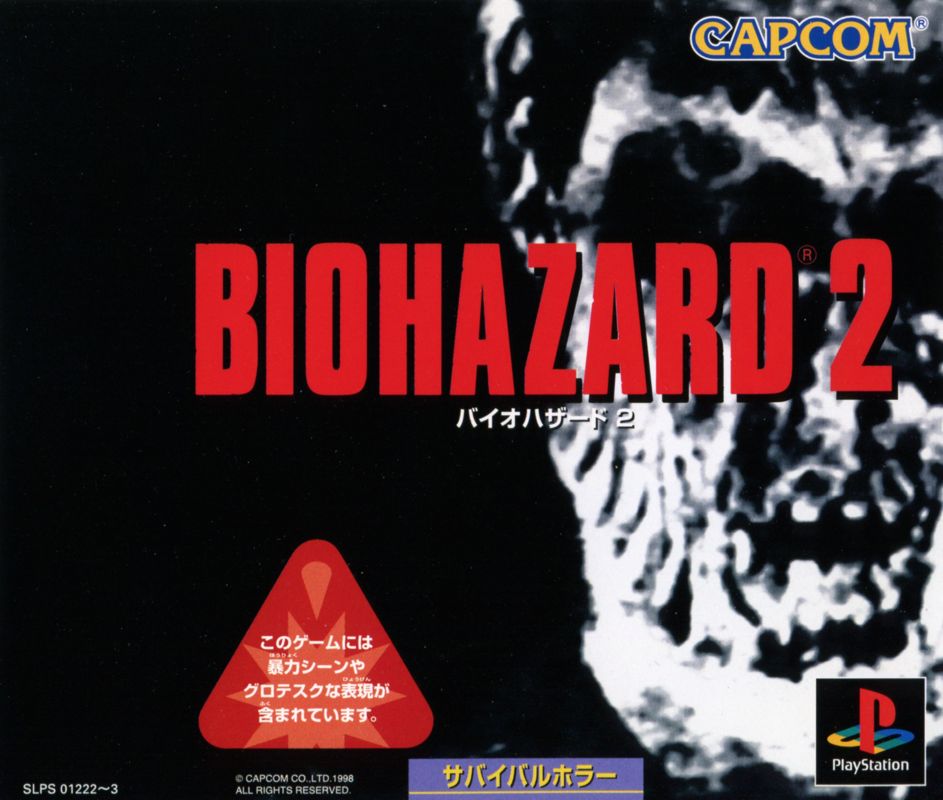
The original PlayStation release shipped on two CDs, with Leon's disc and Claire's disc. A last-minute oversight regarding audio file sizes forced the two-disc format. According to Kamiya, it would have been possible to reprogram the audio algorithms to fit everything on a single 700MB disc, but development was already behind schedule. He has attributed the decision to his youth and recklessness at that point in his career.
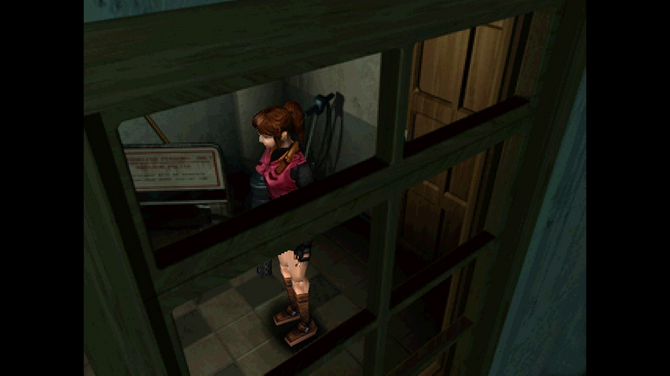
Japanese players received the game on January 21, 1998, with Western releases following in February. Initial shipments in Japan were 1.38 million copies, an extraordinary opening that demonstrated the series' meteoric rise.
PC/Windows (1998)
The Windows port arrived later in 1998 with enhanced features, providing the base for several subsequent conversions. The PC version would later serve as the foundation for the Dreamcast port.
Nintendo 64: The Technical Miracle (1999)
The Nintendo 64 port represents one of the most impressive technical achievements in gaming history. Angel Studios (later known as Rockstar San Diego) was tasked with compressing a 1.2GB two-disc PlayStation game onto a 64MB cartridge. The challenge seemed impossible: they needed to reduce the game to approximately one-nineteenth of its original size.
The project was completed in twelve months by a team of around nine people with a budget of one million dollars. Angel Studios attacked the problem methodically. Videos alone were larger than the entire N64 cartridge could hold, so the team developed revolutionary compression techniques that delivered what industry publications called an industry first: high-quality video on a cartridge-based console.
The team created an intelligent dynamic loading system that loaded only what was necessary for each specific room. Chris Huelsbeck of Factor 5 contributed the MusyX sound tool, allowing the PlayStation soundtrack to transfer virtually intact. Specialized magazines called the port a technical miracle and one of the greatest achievements ever seen on a cartridge-based console.
Beyond mere survival, Angel Studios added exclusive content: a first-person control scheme, an item randomizer, and adjustable violence and blood color settings. With the Expansion Pak, the N64 version actually featured graphical improvements over the original, including stable textures without the characteristic PlayStation wobble.
Dreamcast (1999)
The Dreamcast version, released as Biohazard 2 Value Plus in Japan, was based on the PC port. It included high-difficulty modes, galleries, and VMU functionality that displayed character status in real time. Japanese copies bundled a playable demo of Biohazard CODE: Veronica.
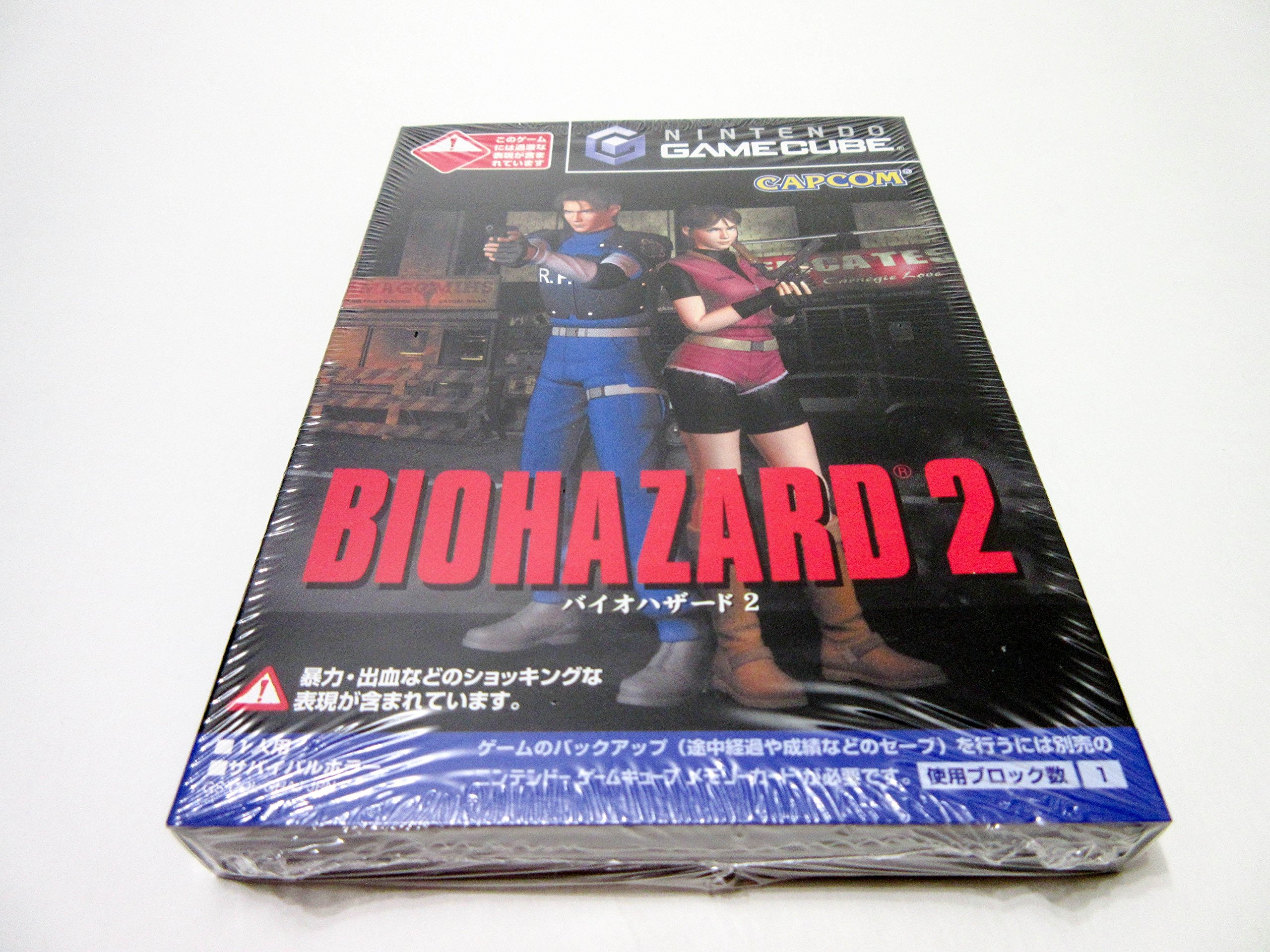
GameCube (2003)
The GameCube received its port in 2003 as part of Capcom's exclusivity agreement with Nintendo, joining the remade original and other series entries on the platform.
The Cancelled Saturn Port
A Sega Saturn version was planned but cancelled in October 1998 due to hardware limitations. The Saturn struggled with 3D rendering compared to the PlayStation, and Capcom determined that an acceptable port was not feasible.
The Man in the Trench Coat
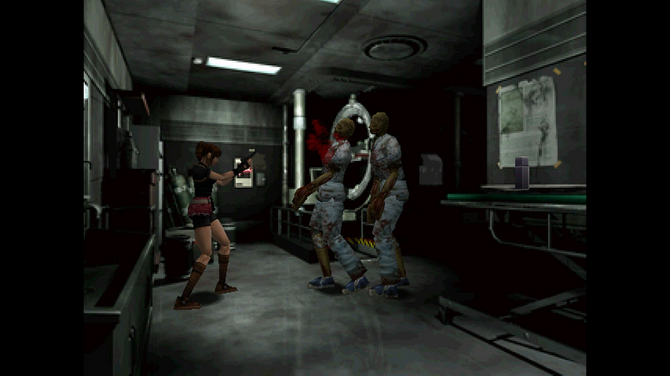
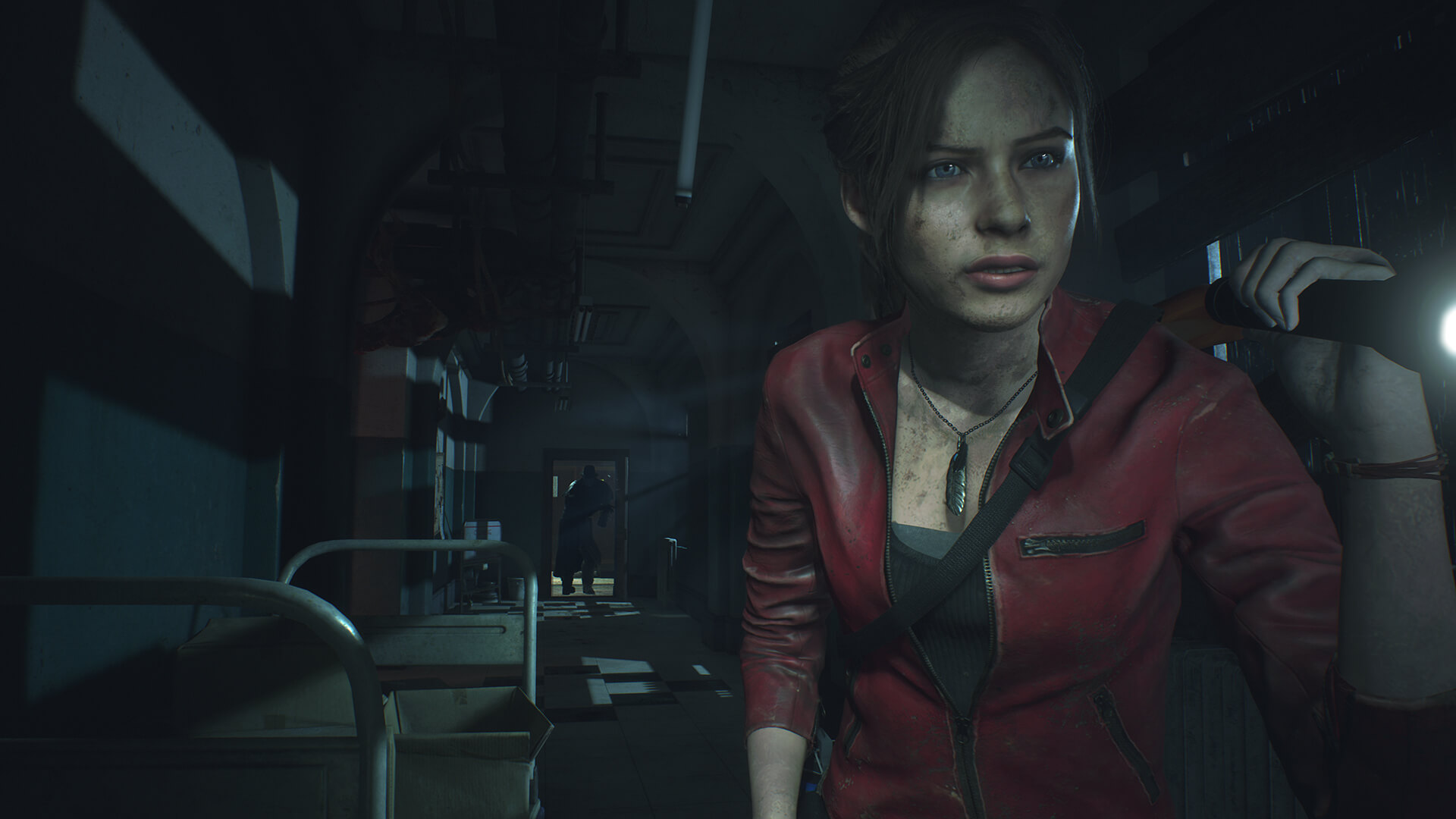
Mr. X, officially designated as Tyrant T-103, has become one of the most iconic antagonists in gaming history. In the original Resident Evil 2, this trench-coated bioweapon appears exclusively during B scenarios, stalking players through the police station and beyond.
Director Kamiya revealed that the team initially had no plans to bring back the Tyrant, since it was the final boss of the first game. Kamiya wanted to create the perfect, invincible Tyrant, but the team realized this would render the G-virus storyline meaningless. Instead, they developed Mr. X as an Umbrella operative deployed to retrieve the G-virus, giving him clear motivation while maintaining his terrifying presence.
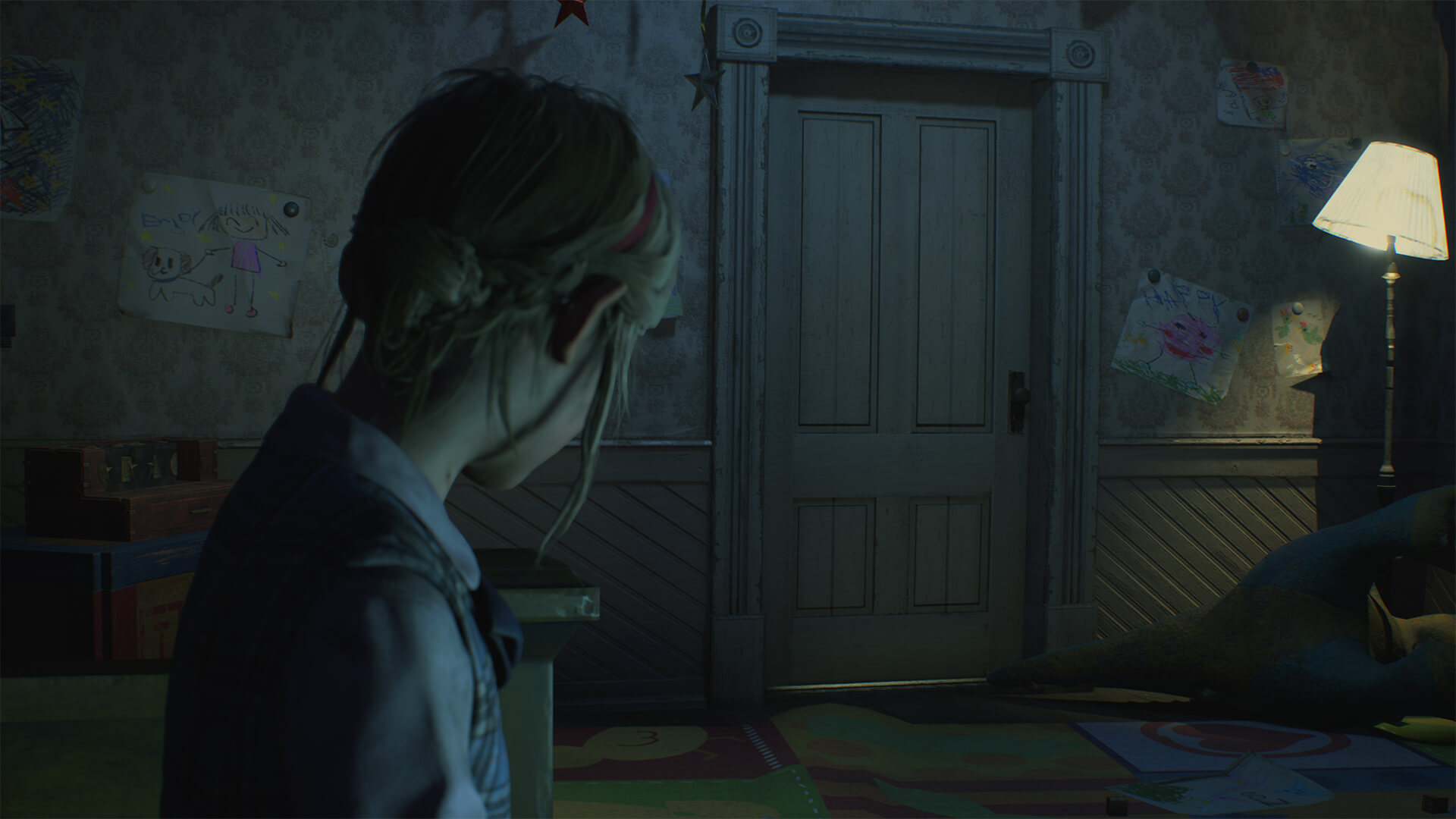
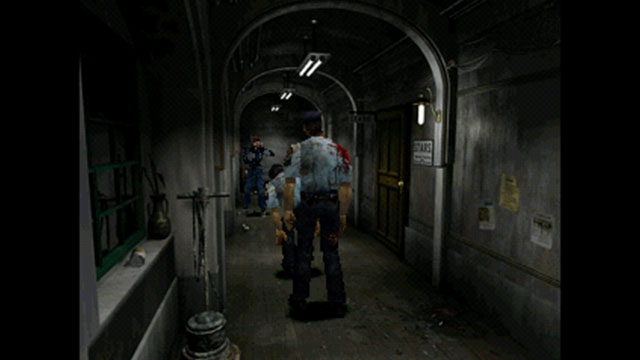
The original Mr. X was powerful but predictable. He appeared in specific locations to block player progress, typically encountered in narrow corridors where escape options were limited. This design created tension through anticipation, with players dreading known encounter points.
The 2019 remake transformed Mr. X into something far more threatening. Rather than appearing at scripted moments, he actively patrols the police station, systematically searching rooms until he locates the player. Gunfire draws his attention. His footsteps grow louder as he approaches, providing audio cues that became the basis for the game's distinctive atmosphere of dread.
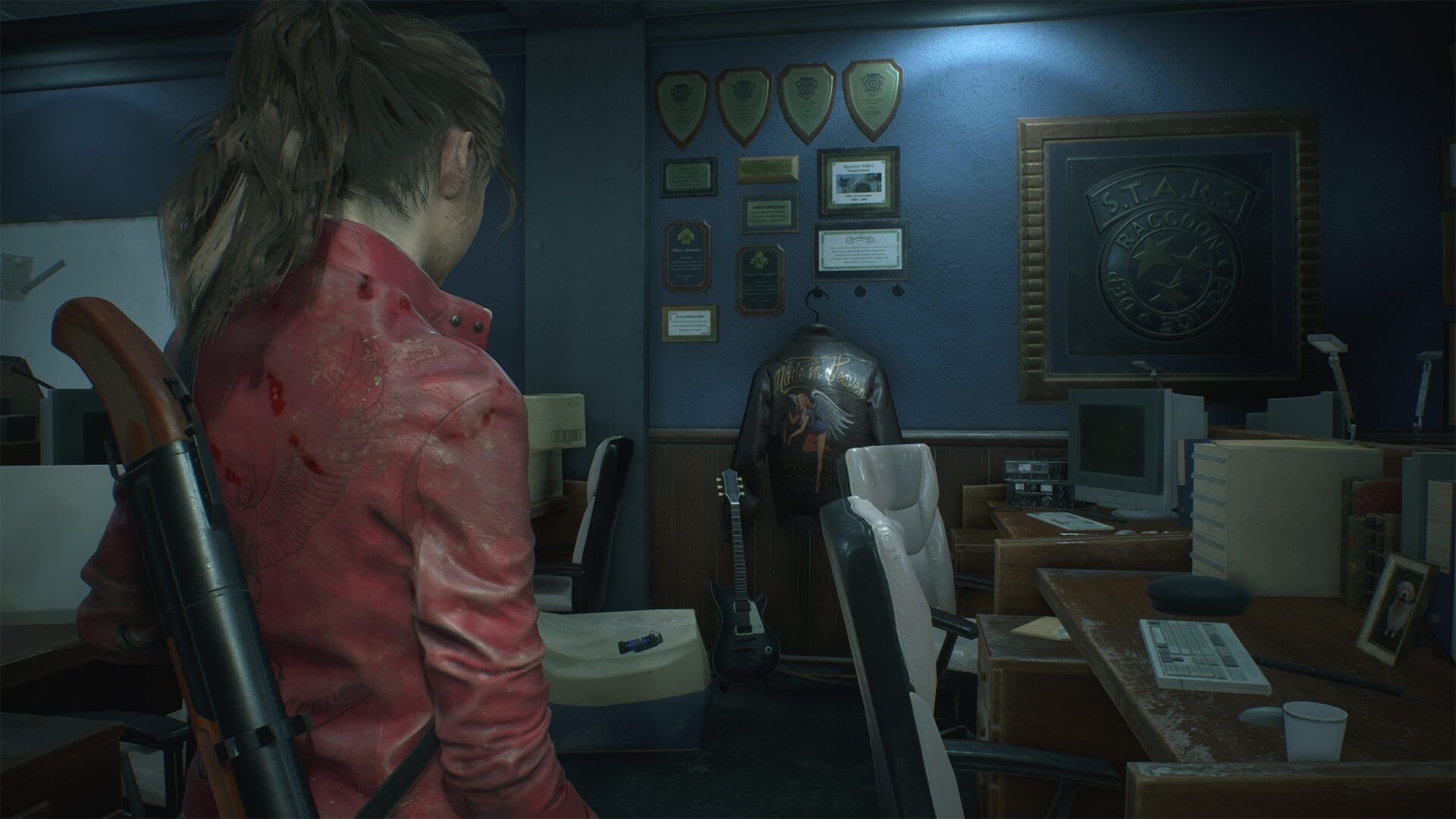
Mr. X moves quickly when searching distant areas but slows when close, giving players fair warning while preventing him from getting stuck in remote locations. The remake added a fedora to his ensemble, which can be shot off, causing him to charge at the player instead of his usual deliberate walk. His neck-cracking animation and subtle signs of irritation when damaged gave him unexpected personality.
To the developers' surprise, Mr. X became an internet sensation. His combination of relentless pursuit and incongruously gentlemanly appearance spawned countless memes and fan works, transforming a horror antagonist into a cultural phenomenon. For fans of relentless horror encounters, Silent Hill 2 Remake delivers similarly unforgettable psychological terror.
Secrets of the Raccoon City Police Department
Resident Evil 2 rewards curious players with numerous easter eggs and hidden content that encouraged repeated exploration.
Brad Vickers Returns
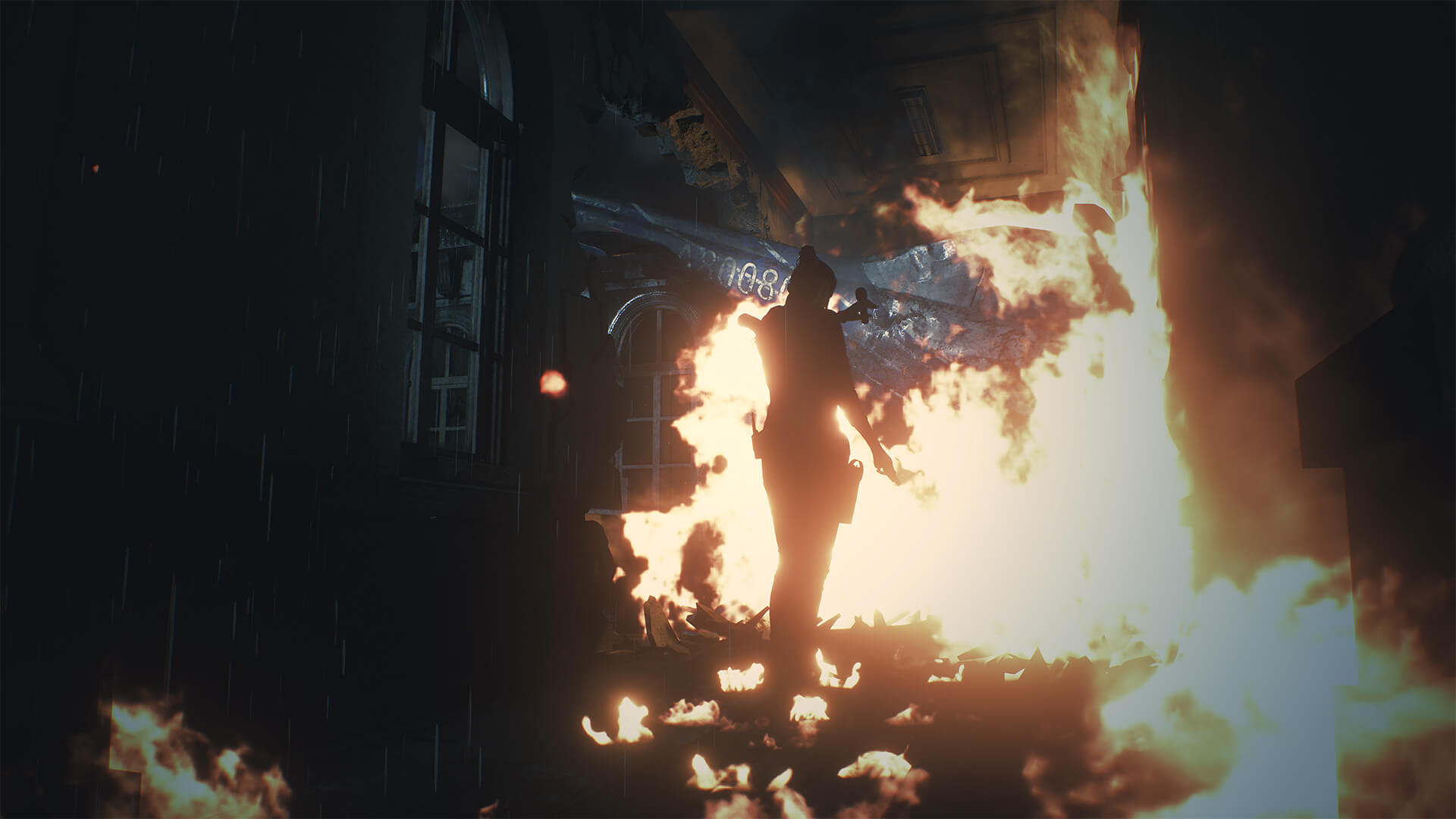
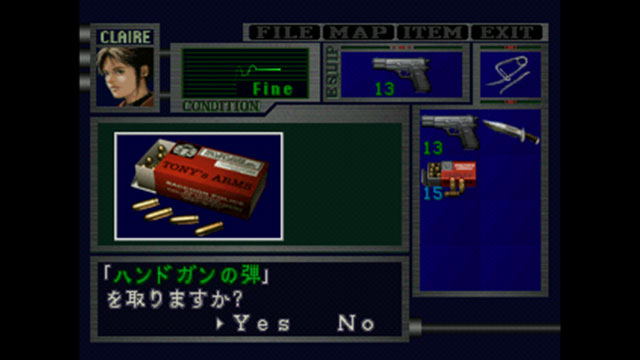
The most elaborate secret involves Brad Vickers, the S.T.A.R.S. pilot from the original game. To encounter his zombified form, players must reach the police station on Normal difficulty without picking up any items or weapons during the A scenario. If successful, zombie Brad appears in the basement tunnel accessible via staircases on either side of the station. He possesses more health than standard zombies and deals increased damage, but defeating him yields the Special Key, which unlocks alternate costumes for both protagonists. Claire can access the Colt S.A.A. revolver when wearing her cowgirl outfit.
Rebecca's Hidden Photo
A photograph of S.T.A.R.S. medic Rebecca Chambers can be found by searching Albert Wesker's desk exactly fifty times in succession. This obscure secret was documented in the Japanese strategy guide Research on Biohazard 2 Final Edition in 1998 and remained unknown to many Western players for years.
Capcom References
The game contains numerous references to other Capcom properties. On Flower Street at the start of the game, players pass a store named Arukas. Reversed, this spells Sakura, referencing Street Fighter's Sakura Kasugano. In the west office of the police station, lockers bear the name JoJo, a nod to JoJo's Bizarre Adventure. The opening cutscene was originally planned to feature a can with the Capcom logo being stepped on, but management objected to their brand being trampled, so it was changed to the Umbrella Corporation logo.
Secret Weapons
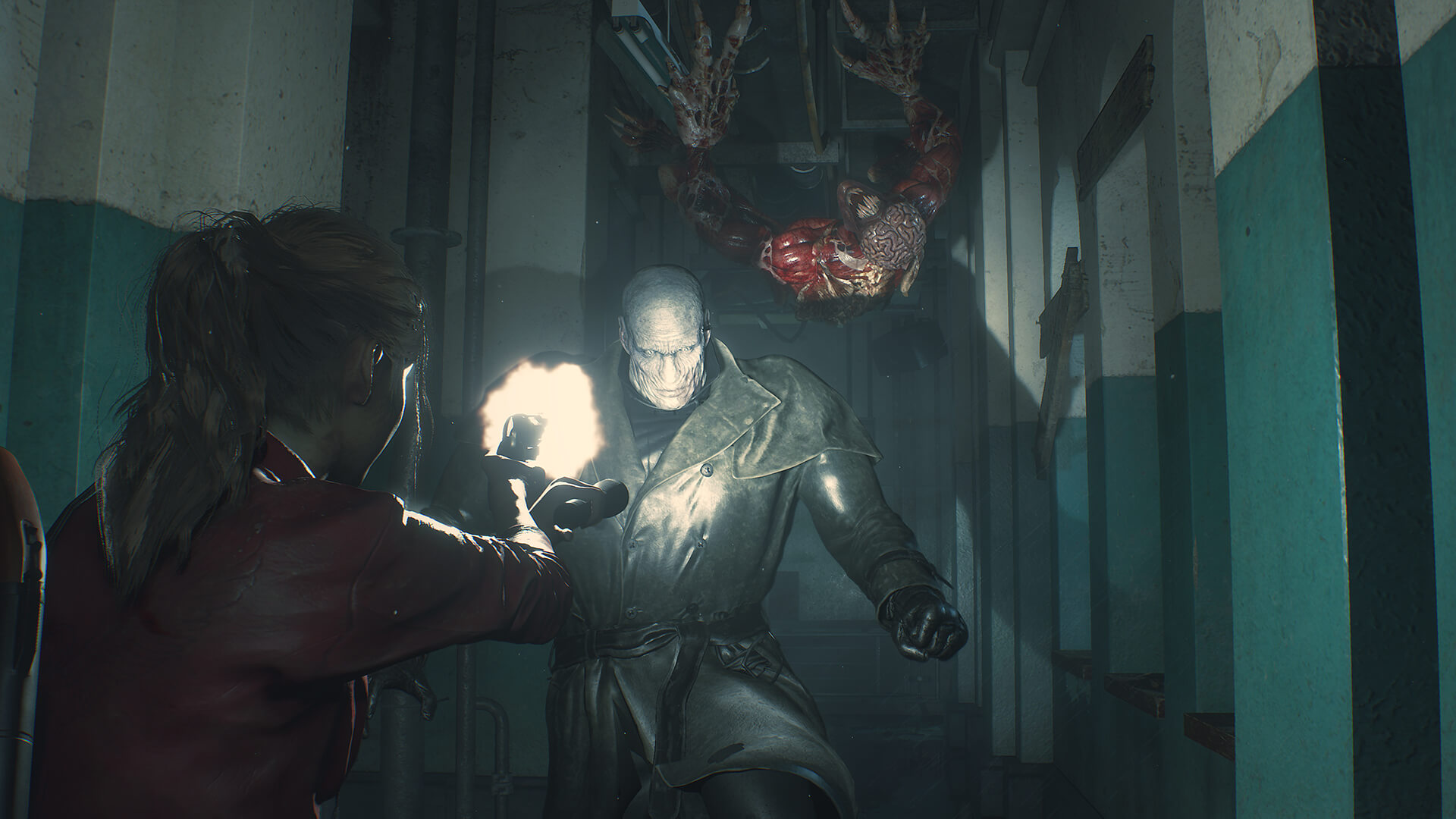
Skilled players can unlock powerful weapons to ease subsequent playthroughs. The Rocket Launcher appears at the climax of the B scenario to defeat the final Mr. X mutation, but can be unlocked as a secret weapon with unlimited ammunition for devastating subsequent runs. The Gatling Gun offers continuous firepower but requires a brief spin-up time that leaves players vulnerable. The Sub Machine Gun provides rapid fire for clearing rooms, found in the police station basement during specific scenarios.
Unlockable Characters
Completing both scenarios unlocks The 4th Survivor, featuring Umbrella operative Hunk escaping Raccoon City with a G-virus sample. This brutal challenge provides no opportunity to collect items or ammunition, demanding perfect knowledge of enemy placement and resource management. Completing Hunk's scenario unlocks The Tofu Survivor, featuring a literal block of tofu armed only with a knife and herbs. Tofu swears in Kansai dialect when attacked and changes color as damage accumulates, turning blood red in critical condition and dark pink when poisoned. The absurdity of playing as a piece of tofu became one of the game's most beloved secrets.
Racing Through the Nightmare
The speedrunning community has pushed Resident Evil 2 to its limits. Hunk's 4th Survivor mode became a particular focus due to its self-contained challenge and short completion time.
The fastest verified Hunk completion on PC stands at 1 minute 58 seconds, achieved by uhTrance in 2015. The key to success lies in finding the fastest path through each room while minimizing damage. Speedrunner uhTrance built upon techniques developed by JikkaChan for manipulating Mr. X's AI, combining them with route optimizations to beat the previous record held by Smallvillecs.
The dodge technique proved essential for high-level play, allowing runners to slip past enemies without stopping. Route optimization eliminated unnecessary movements, and runners memorized exact pixel positions for the fastest possible navigation through the devastated city.
Reborn in Terror: The 2019 Remake
Capcom considered remaking Resident Evil 2 immediately after completing the 2002 remake of the original game. Producer Shinji Mikami, however, did not want to divert resources from Resident Evil 4. The project remained dormant for years, with director Hideki Kamiya repeatedly advocating for its creation.
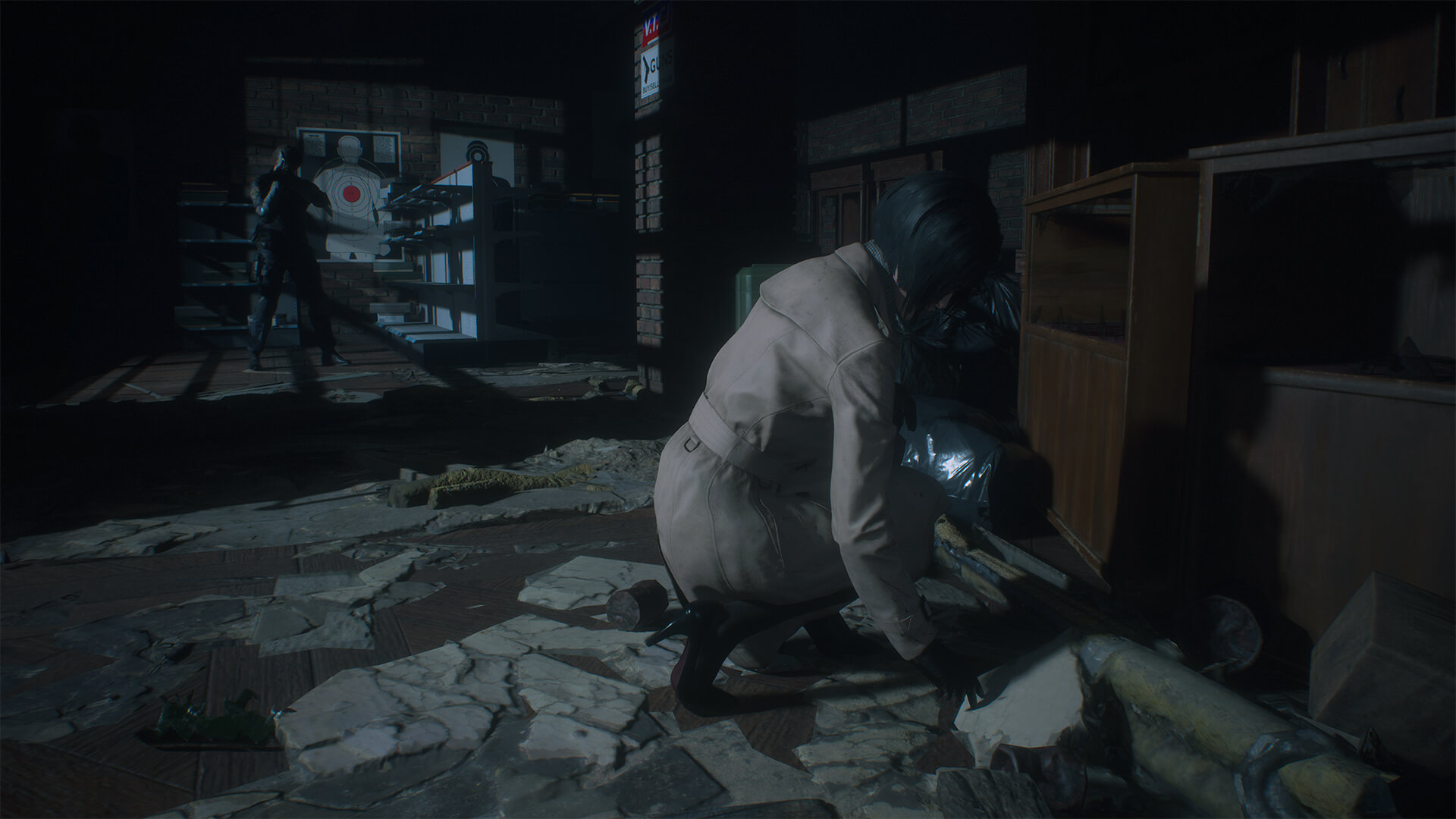
Capcom officially announced the remake in 2015 and revealed gameplay at E3 2018. The development team exceeded 800 people, approaching the project not as a simple remake but as a complete reimagining. Producer Yoshiaki Hirabayashi emphasized that Capcom viewed this as a new entry in the series rather than a nostalgia project.
RE Engine Revolution
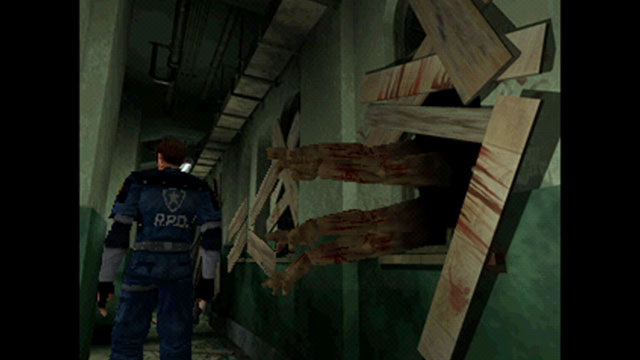
The remake utilized the RE Engine, created for Resident Evil 7: Biohazard. This proprietary technology enabled photorealistic graphics and sophisticated character animation that brought Raccoon City to terrifying life. The fixed camera angles and tank controls of the original were replaced with the over-the-shoulder perspective pioneered by Resident Evil 4, fundamentally changing how players experienced the horror.
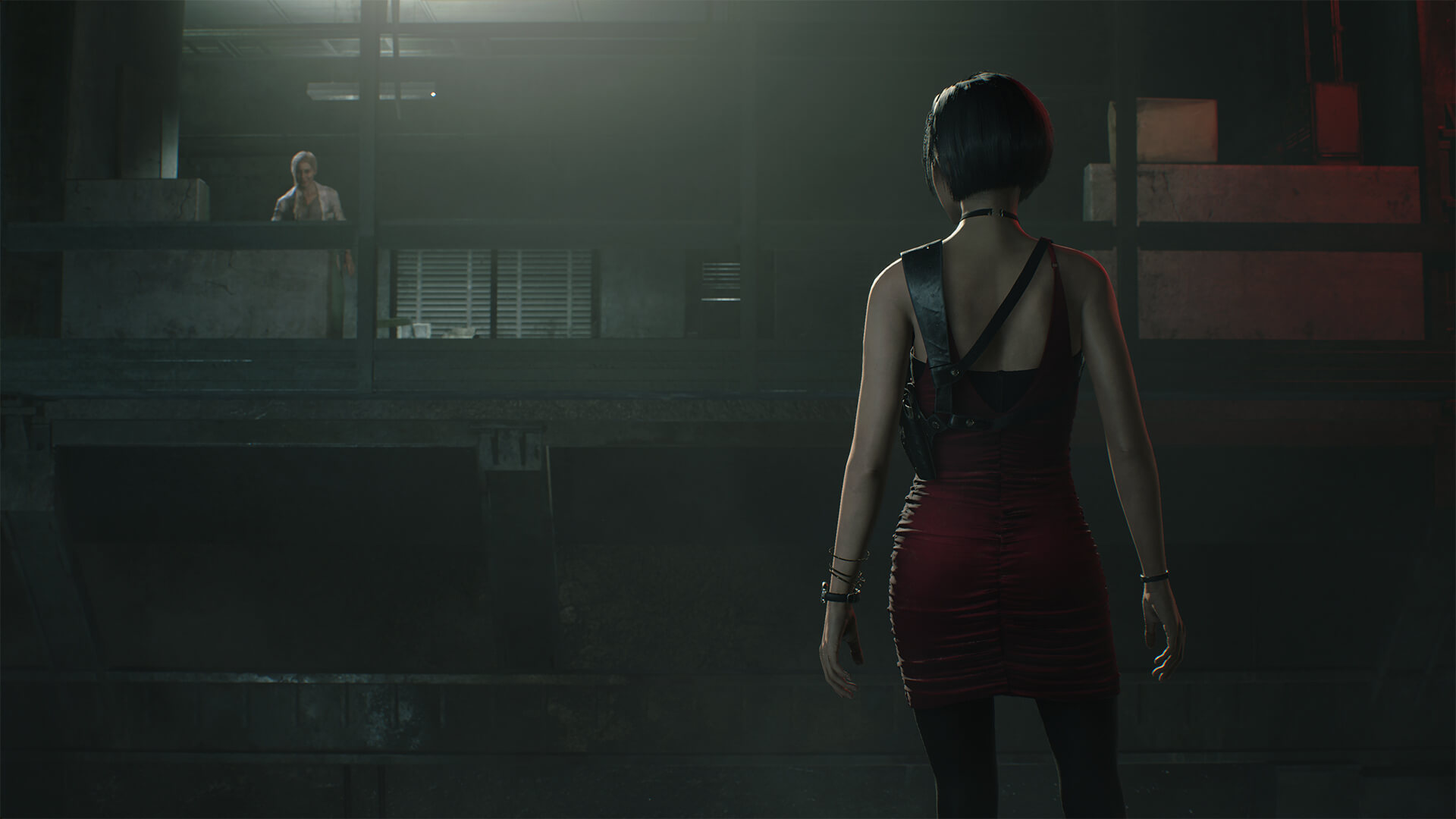
This shift required rethinking the entire game design. The original relied on camera placement and strict pacing to deliver tension. With players now controlling the camera themselves, the team had to discover new methods of creating dread without removing player agency. The solution was environmental storytelling, dynamic lighting, and the ever-present threat of Mr. X.
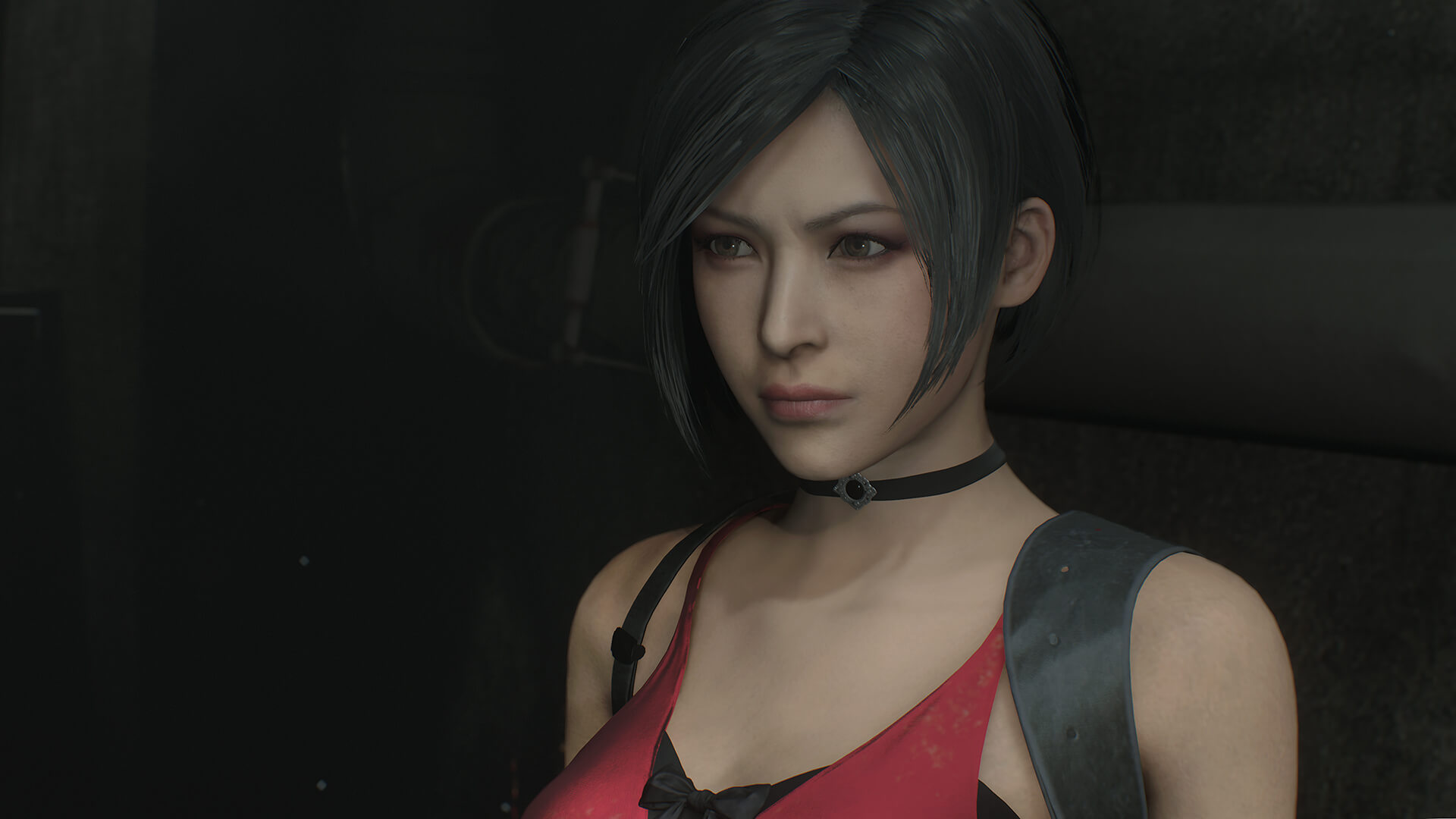
Character designs were also updated for photorealism. Leon no longer wore the large shoulder pads that had distinguished his low-polygon 1998 model. The artists crafted detailed facial animations that could convey subtle emotions, transforming the characters from stylized game figures into believable people experiencing unimaginable horror.
The 2nd Run Controversy
The original game's Zapping System had been a defining feature, and fans expected the remake to preserve it. Initially, the development team planned just two campaigns with no second run. When this was revealed after the first trailer, fan backlash was immediate and overwhelming. Capcom responded by implementing a 2nd Run mode, but it differed significantly from the original.
Rather than creating truly interconnected scenarios where actions in one playthrough affected another, the remake's 2nd Run essentially repeated the same game with minor variations in item placement and puzzle solutions. Events that occurred in the first character's story would impossibly occur again in the second's. The two narratives no longer wove together seamlessly as they had in 1998. Many fans criticized this as a missed opportunity, though others appreciated having any form of alternate scenario at all.
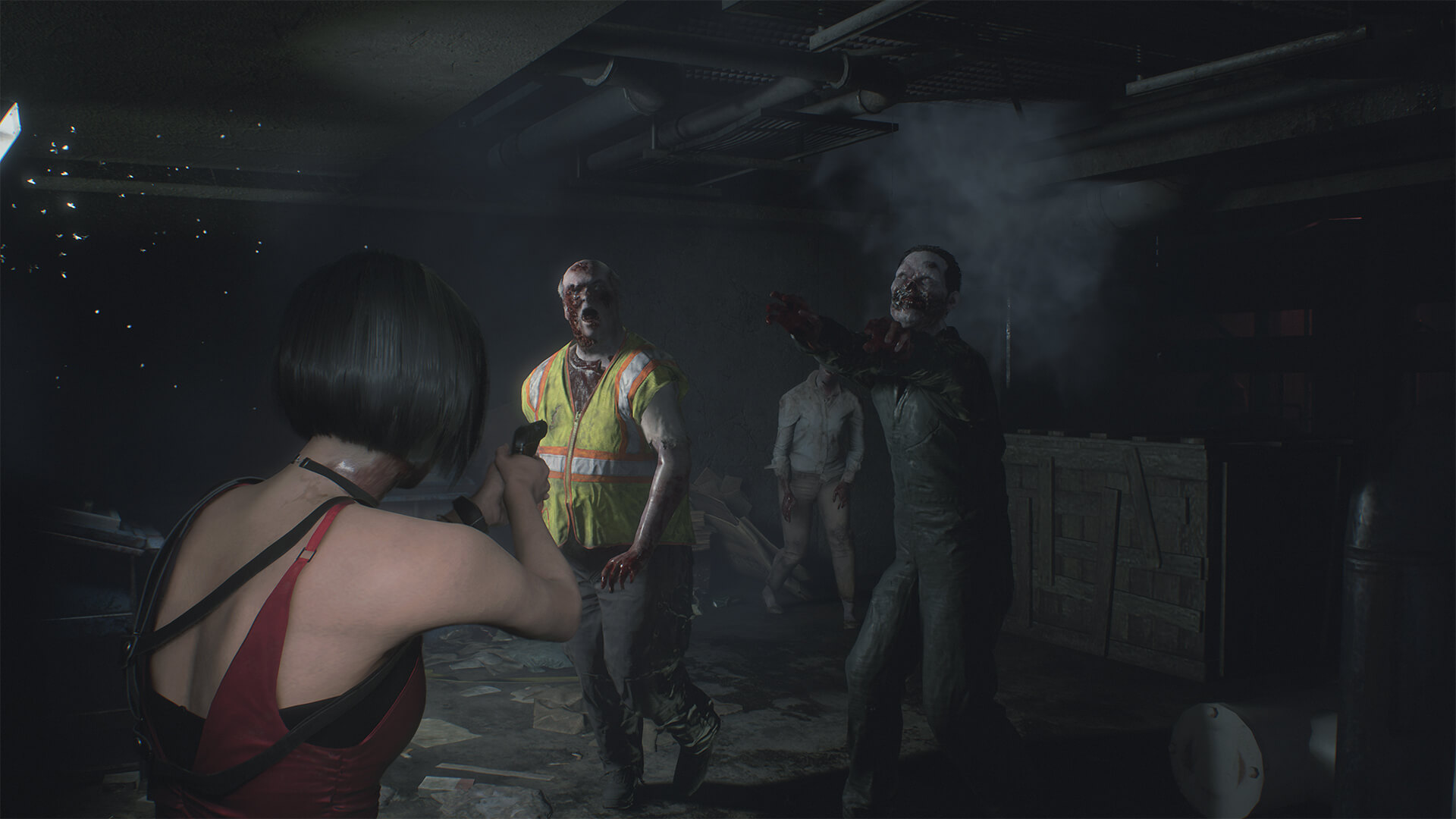
Capcom stated that the remake told one story from two perspectives rather than two distinct stories that interconnected. This philosophical difference from the original's Zapping System disappointed purists but streamlined the experience for newcomers unfamiliar with the complex scenario structure.
Ghost Survivors
On February 15, 2019, Capcom released The Ghost Survivors as free downloadable content. This expansion explored what-if scenarios for three characters who died in the main campaign: a special forces soldier, the mayor's daughter Katherine, and gun shop owner Robert Kendo.
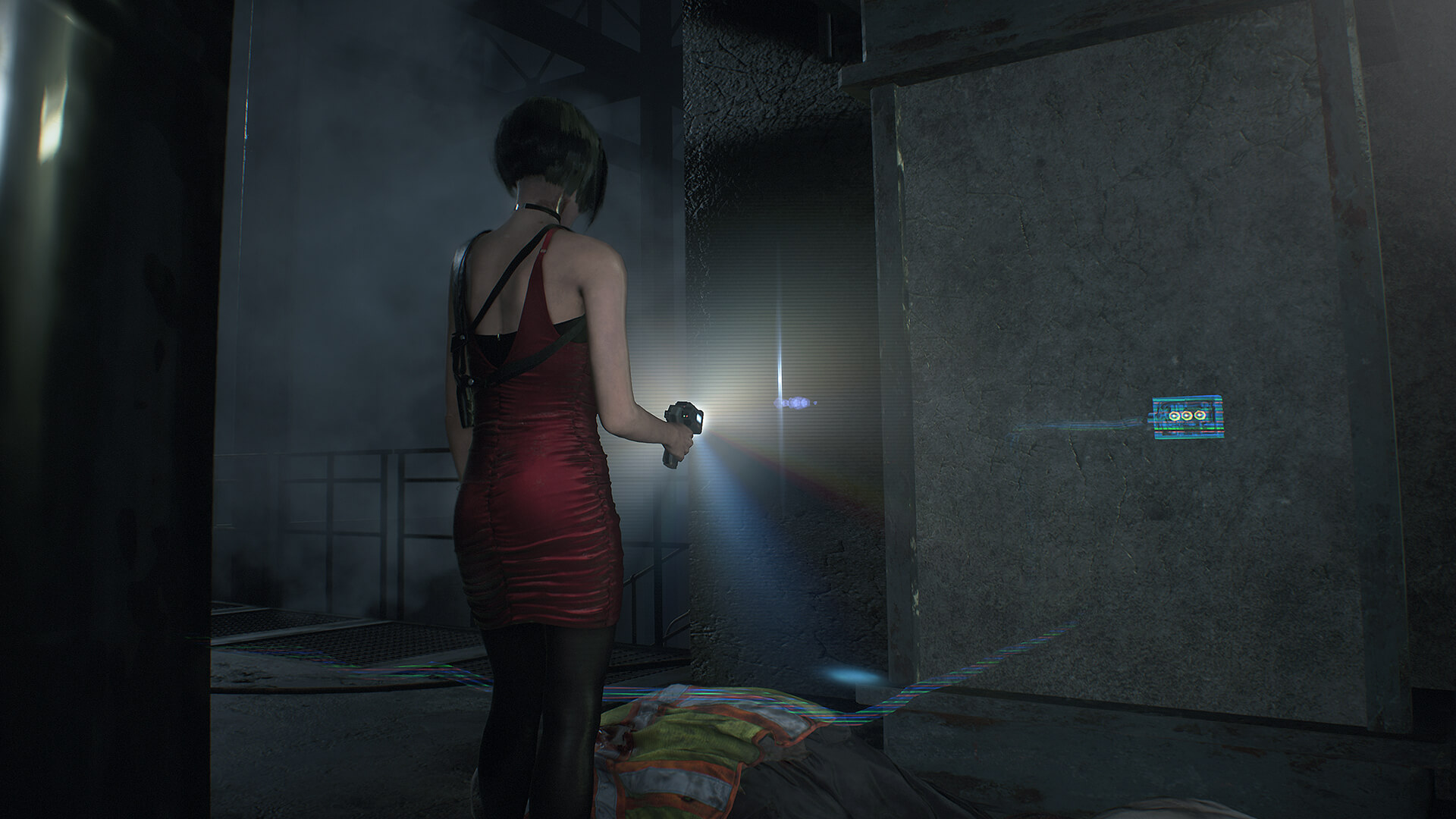
Each scenario introduced new mechanics including Item Dispensers offering choice of equipment and Backpacks carried by zombies containing supplies. The expansion added Pale Heads, zombies capable of rapid regeneration that require sustained damage to defeat permanently. Difficulty ratings ranged from two stars for Katherine to four stars for the soldier, providing substantial challenge for experienced players.
Record-Breaking Success
The 2019 remake achieved commercial success that surpassed all expectations. Three million copies shipped in its first week, and four million within the first month, including over one million on Windows. By December 2019, the remake had sold 5.8 million copies, officially overtaking the lifetime sales of the original.
The accolades followed. The remake won the Golden Joystick Award for Game of the Year 2019 and received a nomination for Game of the Year at The Game Awards. By July 2022, sales reached ten million copies. As of the latest reports, the remake has sold 15.8 million copies worldwide, making it the best-selling Resident Evil game ever made, surpassing even the influential Resident Evil 4.
The Undying Legacy
Resident Evil 2's influence extends far beyond its own sequels. When Kamiya and Mikami began developing what would become Resident Evil 4, an early prototype emphasized action over horror to such a degree that it became an entirely different game: Devil May Cry. The stylish action that defined that series emerged directly from experiments conducted during the Resident Evil 2 era.
The concept of a relentless stalker enemy, perfected in the 2019 remake's interpretation of Mr. X, has influenced countless horror games since. The remake demonstrated that classic survival horror could be successfully translated for modern audiences without sacrificing what made the original special. For those eager to see where the franchise heads next, Resident Evil Requiem promises to continue Capcom's survival horror legacy.
For a generation of players, Resident Evil 2 represented the perfect sequel. It expanded everything fans loved about the original while introducing innovations that pushed the genre forward. For a new generation, the remake proved that great game design transcends eras. Whether navigating the claustrophobic hallways of the original's pre-rendered backgrounds or fleeing Mr. X's footsteps in photorealistic terror, Resident Evil 2 remains an essential experience in survival horror history.
The nightmare of Raccoon City continues to claim new victims, twenty-seven years after that fateful January night in 1998.
Gallery
Get Gaming News and Features First
Stay updated with the latest gaming news and exclusive content.