Resident Evil 5: How Capcom's Best-Selling Horror Game Ended the Wesker Saga
Explore Resident Evil 5: Wesker's epic final battle, MT Framework tech, Mercenaries mode, all 7 platform ports, and the co-op gameplay that changed survival horror forever.
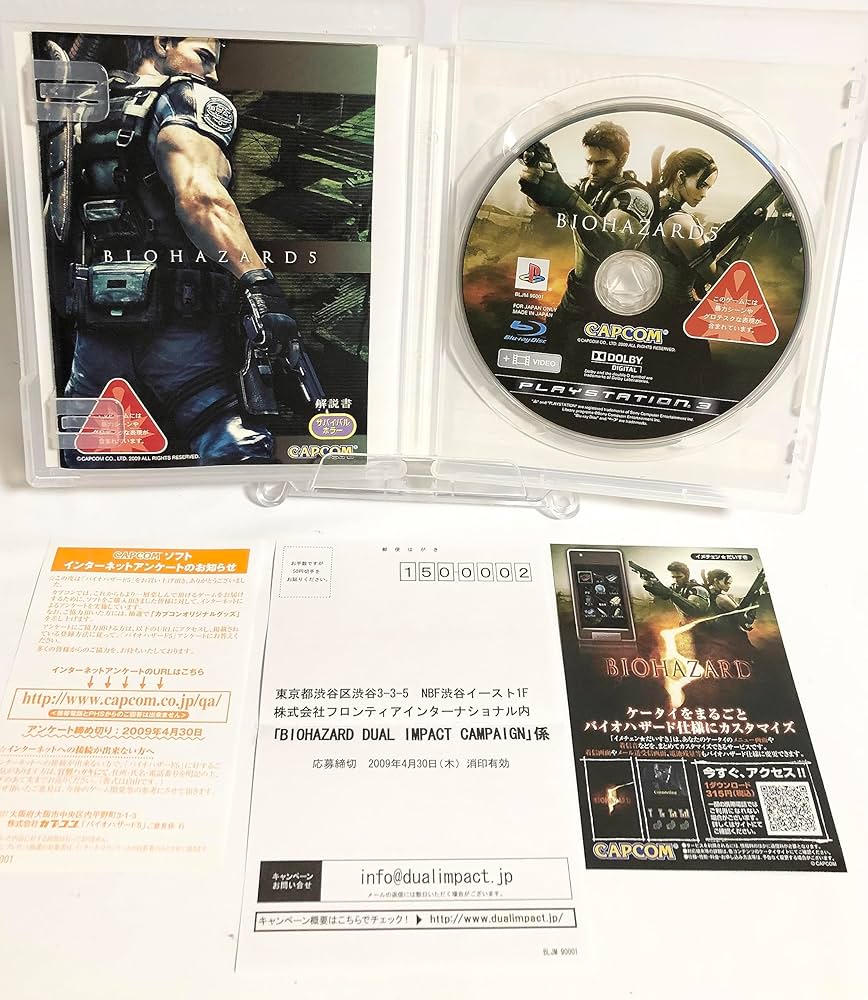
| Title (EN) | Resident Evil 5 |
| Title (JP) | Biohazard 5 |
| Developer | Capcom |
| Publisher | Capcom |
| Release Date | March 5, 2009 (JP), March 13, 2009 (WW) |
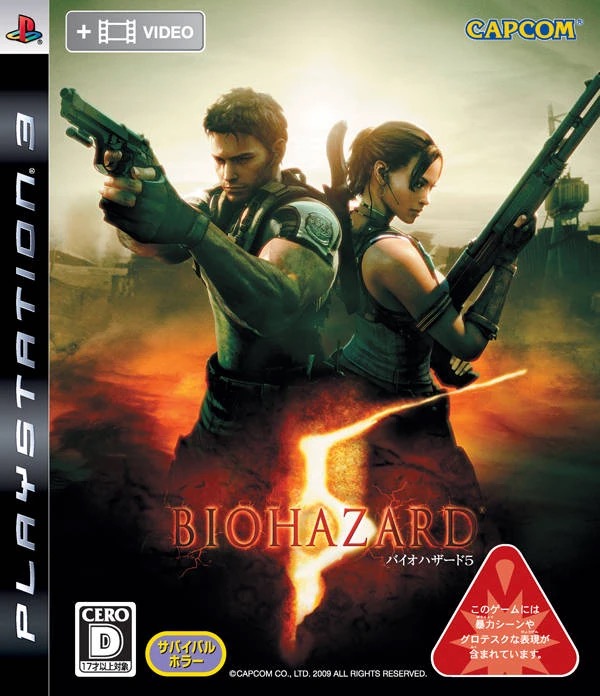
| Platforms | PS3, Xbox 360, PC, PS4, Xbox One, Nintendo Switch, Shield TV |
| Engine | MT Framework 1.4 |
| Genre | Third-Person Action / Survival Horror |
Development History: From Osaka to Hollywood
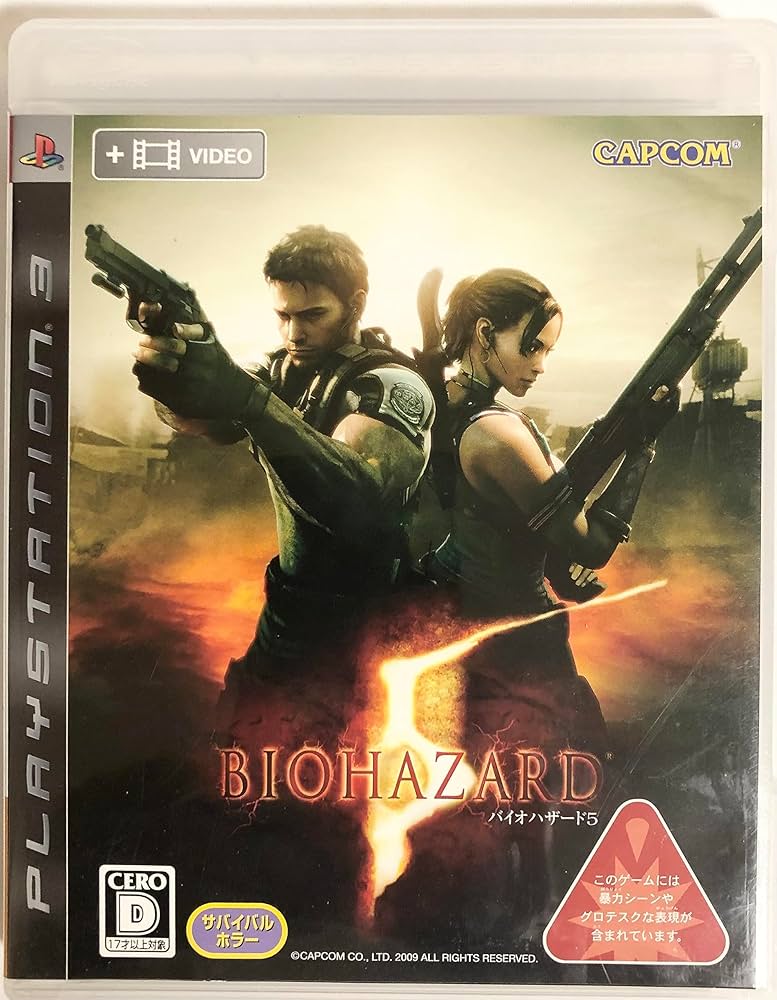
The development of Resident Evil 5 began shortly after the monumental success of Resident Evil 4, which had redefined third-person action games. Producer Jun Takeuchi took the helm, assembling a team that included director Yasuhiro Anpo, who had worked as a programmer on the original Resident Evil and Resident Evil 2. The production was supervised by the legendary Keiji Inafune, and sound design fell to Hideaki Uchiki, a returning veteran from earlier titles.
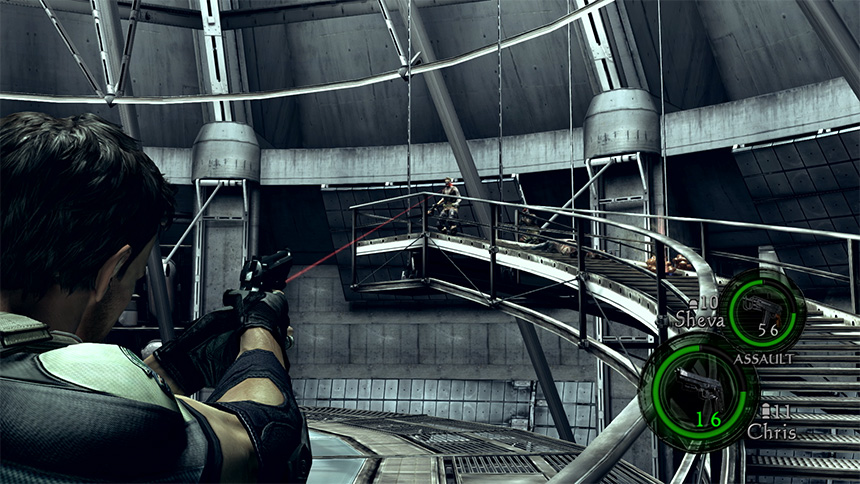
In extensive interviews with 4Gamer and Dengeki Online, Takeuchi revealed the dramatic shift that occurred during development. Adding Sheva as a co-op partner fundamentally transformed the entire project. Originally conceived as a continuation of RE4's solo formula, the urgent implementation of two-player cooperation shifted the entire team's mindset toward creating something entirely new. What had started as extending a proven formula became an exercise in reinventing the Biohazard experience entirely.
The design philosophy centered on what Takeuchi called essential co-op. Unlike the optional AI assistance in RE4, both players' deaths in RE5 meant game over. This created genuine tension and required constant communication between partners. The team believed this approach would strengthen the themes of bonds and partnership that they wanted to explore through Chris and Sheva's relationship.
The production scale was extraordinary by any standard, bringing Hollywood-level production values to the project. Weapon sound effects were recorded using real firearms at shooting ranges in San Diego, California. The orchestral score was recorded at the legendary 20th Century Fox Studios in Hollywood, featuring a full orchestra and choir that gave the game its epic, cinematic soundscape.
This commitment to authenticity extended to character animation. Advanced facial motion capture technology used for character expressions delivered unprecedented emotional depth to the franchise. Actors wore specialized headgear that tracked minute facial movements, translating subtle expressions into digital performances that still hold up today.
Takeuchi structured RE5 as part of the traditional Japanese narrative framework of ki-sho-ten-ketsu, positioning it as the turning point in the Biohazard storyline. Two thematic pillars guided every design decision: light and darkness as visual motifs reflected in the African setting's blazing sun and shadowy interiors, and bonds as represented through the essential co-op gameplay between Chris and Sheva.
The Story: Wesker's Final Stand
Set canonically in March 2009, Resident Evil 5 takes place approximately ten years after the Spencer Mansion incident and six years after Umbrella Corporation's catastrophic collapse. Chris Redfield, now a seasoned BSAA agent, is dispatched to the fictional Kijuju district in West Africa to apprehend Ricardo Irving, a black market dealer trading in bio-organic weapons.
Chris is partnered with Sheva Alomar, a local BSAA operative with deep connections to the region and personal stakes in stopping the bioterrorism plaguing her homeland. Their investigation quickly spirals into something far larger when they discover the local population has been infected with Las Plagas parasites, transforming ordinary citizens into violent Majini. The connection to previous games is made explicit when Chris directly references the Kennedy Report: the locals are acting like those Ganados detailed in the Kennedy report, drawing a clear line to the events of Resident Evil 4.
The narrative takes a dramatic turn with the revelation about Jill Valentine, Chris's long-time partner from S.T.A.R.S. and the Raccoon City incident. Presumed dead after a confrontation with Wesker in August 2006, Jill had sacrificed herself by tackling Wesker off a cliff at the Spencer estate. The fall into the ravine below left no bodies, and BSAA officially declared both dead.
But Wesker survived. And more importantly, he discovered that Jill's body contained unique antibodies to the Uroboros Virus. These antibodies had developed as a result of her previous T-Virus infection from Nemesis during the Raccoon City incident. Her body had become invaluable to Wesker's research.
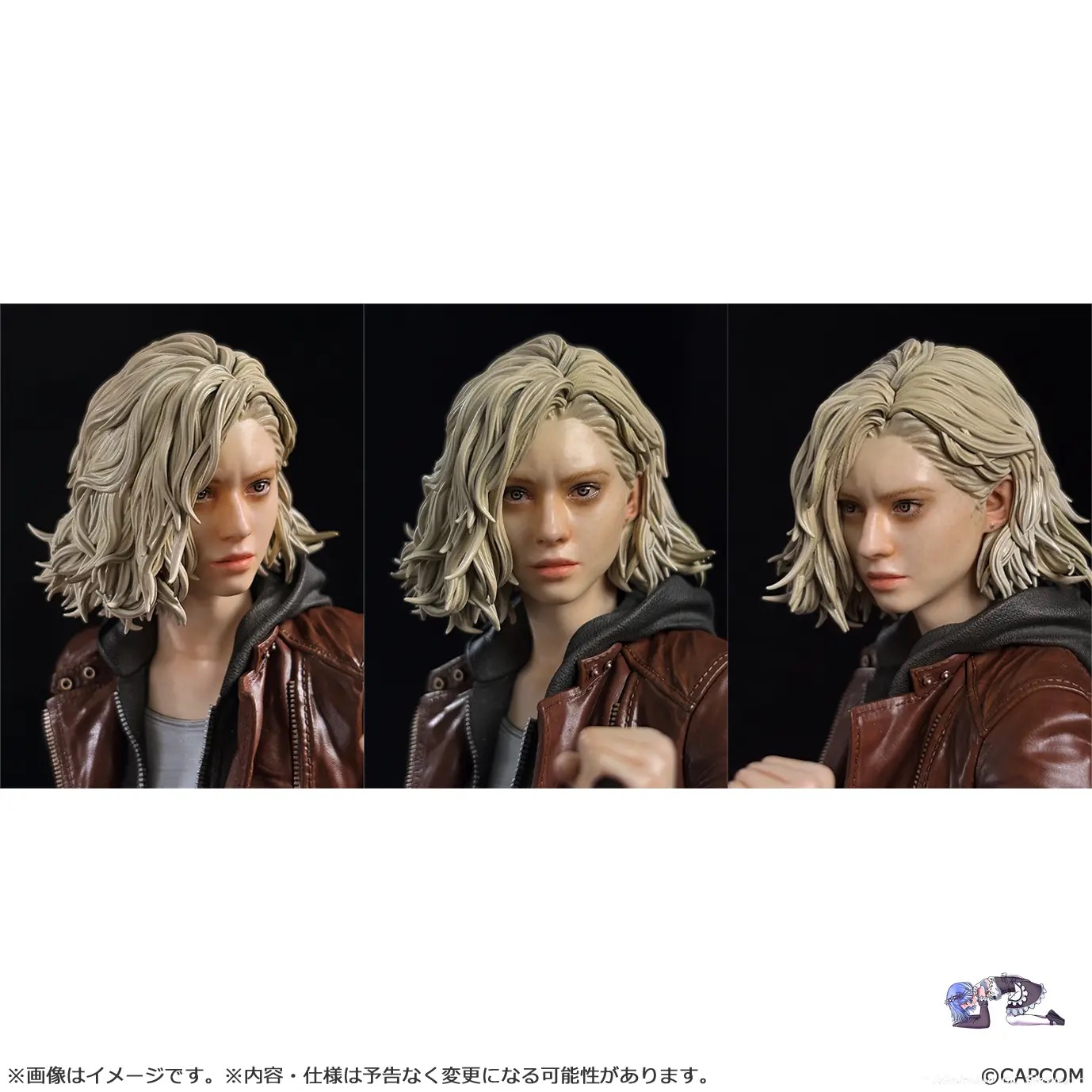
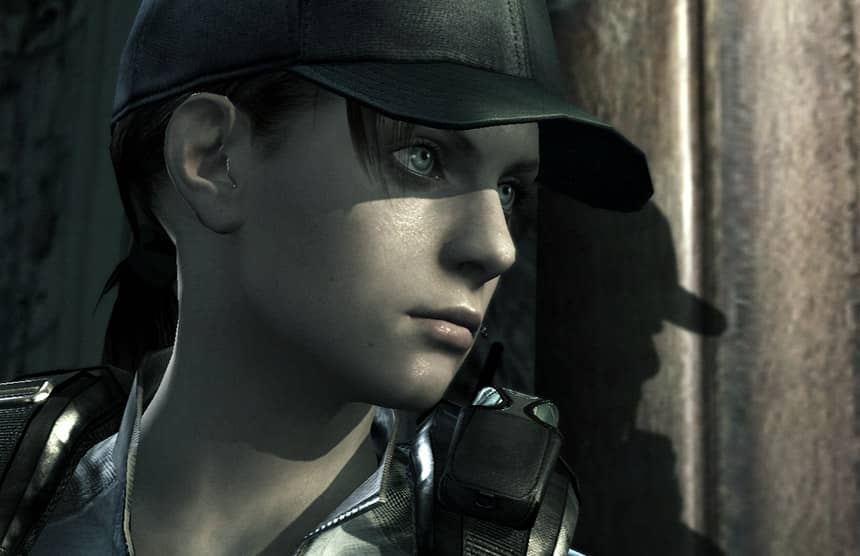
Wesker kept Jill alive but utterly brainwashed, using her as both test subject and personal bodyguard. The experiments caused dramatic physical changes: her hair transformed from brown to blonde due to abnormal pigmentation, and her skin became notably pale. She was forced to wear a distinctive tight-fitting battle suit while distributing improved Plagas to Kijuju citizens under a plague doctor mask. Japanese fans nicknamed this mysterious figure Bird Lady before her identity was revealed.
When Chris and Sheva finally confront her, they must subdue and remove the P30 mind-control device embedded in her chest. This sequence became one of the most memorable boss encounters in the game, requiring precision and restraint as players fought to save rather than destroy their enemy.
Albert Wesker's arc reaches its explosive conclusion in RE5. Partnered with Excella Gionne, the brilliant but amoral CEO of TRICELL Inc. Africa, Wesker plans to launch missiles carrying the Uroboros virus to trigger global chaos. His philosophy of natural selection drives every action: Natural selection leaves the survivors stronger and better. Humans have escaped this winnowing for far too long.
The climactic battle takes place in and around an active volcano aboard a massive bomber aircraft. Wesker, cornered and desperate, exposes himself to Uroboros and mutates into a massive creature with writhing tentacles emerging from his body. Chris and Sheva pursue him through the volcanic landscape in a boat, ultimately weakening him through sustained fire before finishing the job with rocket-propelled grenades as he sinks into the molten lava. It is a fitting end to a character who had haunted the franchise since the very first game in 1996, bringing closure to one of gaming's most enduring villain arcs.
MT Framework: Technical Achievements That Defined a Generation
Resident Evil 5 showcased the maturity of Capcom's proprietary MT Framework engine, specifically version 1.4. The technical analysis by renowned graphics expert Zenji Nishikawa in his detailed 3D graphics lectures for Game Watch revealed several groundbreaking implementations that pushed console hardware to its limits.
The shadow generation system utilized Light-Space Shadow Map technique, an improved derivative of the depth shadow mapping first implemented in Lost Planet. This advancement allowed for more realistic shadow casting across the game's varied African environments, from sun-drenched village streets where shadows cut sharply across dusty roads, to dark underground Umbrella facilities where dynamic lighting created genuine tension.
The facial motion capture system represented a massive leap in character expressiveness that few games of the era could match. Combined with advanced skin rendering techniques utilizing MT Framework's sophisticated material system, characters displayed unprecedented emotional range. Chris's weathered determination, Sheva's fierce resolve, Wesker's cold contempt, and Jill's tortured confusion all came through with startling clarity.
The HDR rendering implemented a relative luminance range technique that achieved pseudo-HDR effects on standard 8-bit RGB buffers. This technical wizardry created the intense African sunlight that defines the game's visual identity, the way stepping from shadow into light could momentarily blind players just as it would in reality. The contrast between the blazing outdoor sequences and dark interior spaces became a visual signature of the experience.
Water and skin effects received particular attention from the rendering team, with dedicated pipelines that demonstrated Capcom's complete mastery of MT Framework technology. Character skin showed subsurface scattering that made them appear genuinely alive, while water reflected and refracted light with convincing accuracy. These technical achievements would influence Capcom's development approach for years to come, establishing a foundation that would evolve into the RE Engine powering modern Resident Evil titles.
Secrets, Easter Eggs, and Unlockables
Resident Evil 5 contains numerous secrets rewarding dedicated players who explore every corner of its African landscapes. The game features 30 BSAA Emblems scattered throughout its chapters, pale blue octagonal medals often placed in awkward or distant positions. These emblems challenge players' observational skills and marksmanship, being best shot with a sniper rifle due to their frequently remote locations. Not every chapter contains emblems, and distribution varies widely, with some having many while others offer just one.
Collecting 25 emblems unlocks Chris's iconic S.T.A.R.S. costume, a callback to his appearance in the original Resident Evil. Finding all 30 rewards players with Sheva's Tribal costume, completing the Badge of Honor, All Dressed Up, and They're ACTION Figures achievements simultaneously.
One of the most useful hidden mechanics involves Rotten Eggs. These seemingly worthless items actually function as instant-kill weapons against standard Majini and deal significant damage to armored enemies. Each egg also sells for 2,000 currency, making them valuable finds for players building their arsenal.
The inventory system hides a powerful technique that transforms combat efficiency: dragging ammo directly onto a weapon in the inventory menu bypasses reload animations entirely. This instant reload trick becomes essential for high-level play, speedrunning, and Mercenaries mode scoring. Mastering it separates casual players from dedicated fans.
Fully upgrading weapons unlocks their ultimate versions through a paid unlock system. The M92F handgun evolves into the burst-fire M93R for 30,000 currency. The Ithaca M37 shotgun becomes the devastating triple-barreled Hydra for 30,000. The VZ61 machine gun transforms into Chris's exclusive Gatling Gun for 50,000, an absolute monster of a weapon. The S&W M29 magnum upgrades to the fearsome S&W M500 for 30,000, while Sheva receives her exclusive Longbow by fully upgrading the S75 rifle for 50,000.
The Infinite Rocket Launcher returns as a completion reward, unlocked for free by finishing the game in under five hours. Veterans of the franchise will recognize this as a callback to similar rewards in Resident Evil 1, 2, and 3, maintaining a proud tradition.
The Mercenaries Mode: Competitive Excellence
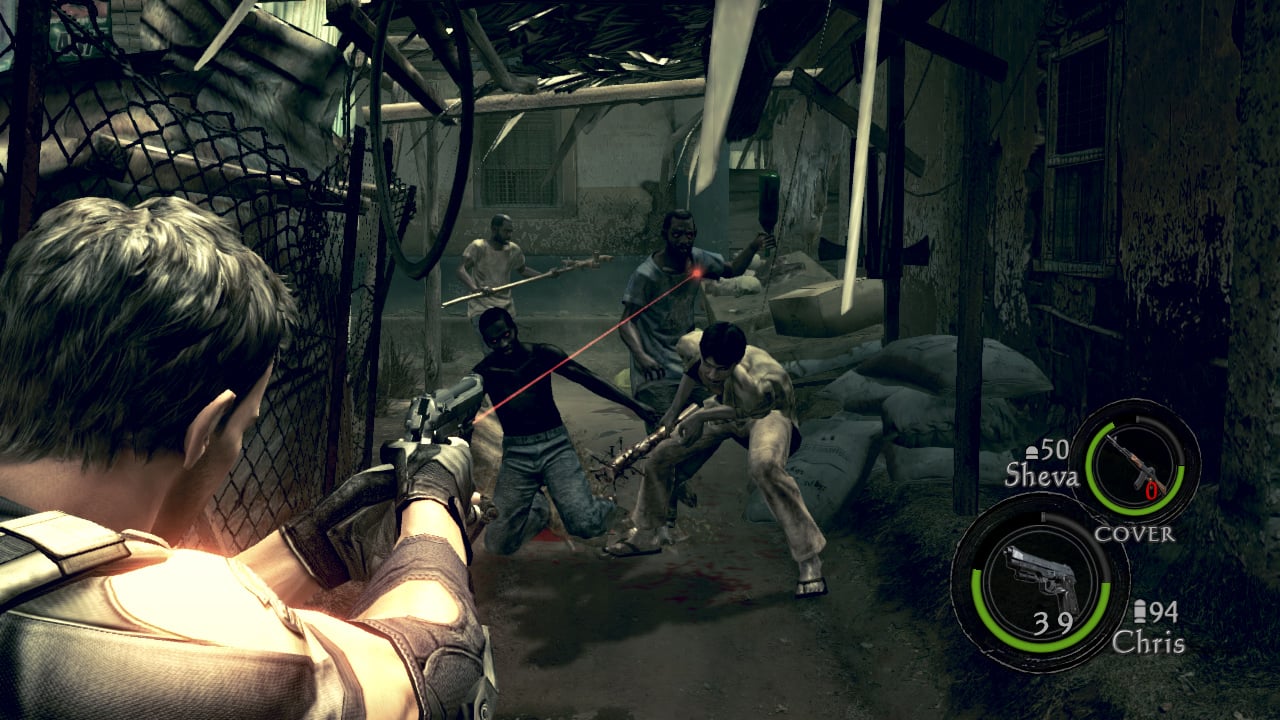
The Mercenaries mode returns as an unlockable bonus after completing the campaign, offering survival-based gameplay that has developed a dedicated competitive community spanning over fifteen years. Players face endless waves of enemies across eight stages: Public Assembly, The Mines, Midnight Village, Ancient Ruins, Experimental Facility, Missile Area, Tribal Ship Deck, and Prison. Achieving B rank unlocks the next stage, while A rank unlocks additional characters.
The character tier list, refined through years of community play and competitive analysis, places Jill Valentine in Battlesuit at the top. Her VZ61 Machine Gun proves incredibly efficient at controlling enemy groups with precise bursts that stagger multiple targets. Her signature Double Kneedrop melee attack is among the fastest and safest in the game, achieving near 100% kill rate when properly positioned. For players seeking consistent high scores, Jill remains the gold standard.
Wesker in his Midnight costume follows closely in the tier rankings. His H&K P8 provides generous ammo capacity for setting up melee combos, while the S&W M500 Magnum makes quick work of any threat including bosses. His Cobra Strike melee guarantees +5 seconds on the combo timer, essential for maintaining scoring chains.
High score strategy revolves around two fundamental principles: maintaining high combos as the primary focus and extending playtime as secondary. The melee-based approach dominates competitive play. Using weak weapons to stun enemies before finishing with melee attacks generates higher scores than simply using powerful weapons, which create gaps where combos drop.
All Ports and Platform Versions
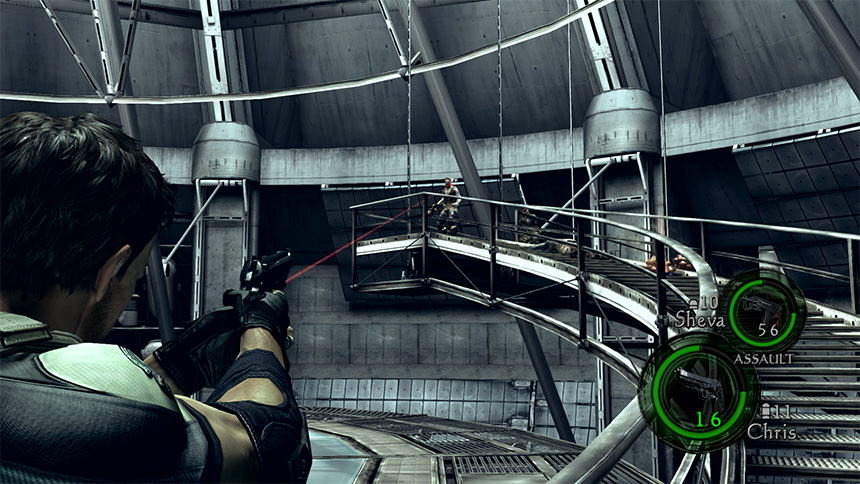
Resident Evil 5 has been ported to more platforms than almost any other entry in the franchise, demonstrating its enduring popularity and Capcom's commitment to preserving access to this milestone title.
The original PlayStation 3 and Xbox 360 versions launched on March 5, 2009 in Japan and March 13 worldwide. Both ran at locked 30 FPS at standard HD resolution with identical visual presentation. The Windows PC version followed in September 2009 with scalable graphics settings ranging from modest hardware to enthusiast configurations. PC exclusive features included harder Mercenaries difficulty, alternate character outfits, and Nvidia GeForce 3D Vision stereoscopic support for compatible displays.
The Gold Edition released in 2010 across PS3, Xbox 360, and PC, bundling all DLC content including Lost in Nightmares, Desperate Escape, Versus Mode, and Mercenaries Reunion into a comprehensive package for newcomers.
The 2016 HD Remaster brought RE5 to PlayStation 4 and Xbox One with significantly improved graphics, higher resolution rendering, and unlocked frame rates. Both versions are graphically identical and represent the definitive way to experience the game for players seeking the best visual presentation.
The Nintendo Switch port arrived on October 29, 2019, bringing portable Resident Evil 5 to handheld gaming. While featuring lower texture quality and notable pop-in effects for distant elements, it offers a variable frame rate ranging from 50 FPS down to lower rates depending on scene complexity. This still represents a substantial improvement over the original 30 FPS cap. The Switch version received a day-one patch adding gyro aiming controls, a feature notably absent from the Switch port of Resident Evil 4.
DLC Content: Lost in Nightmares and Desperate Escape
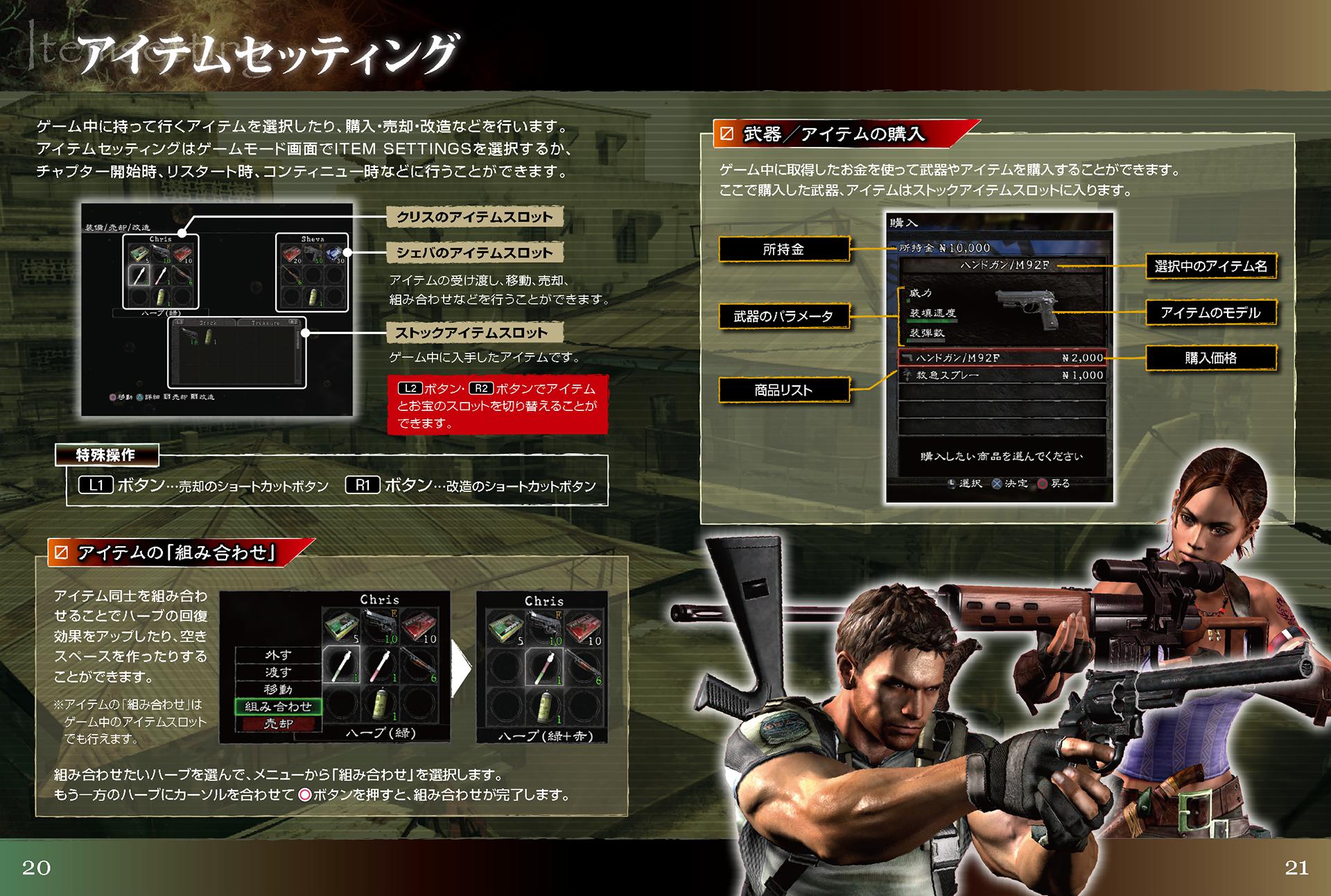
Lost in Nightmares serves as a prequel scenario featuring Chris and Jill Valentine infiltrating the Spencer estate in 2006, the mission that would end with Jill's apparent death. The DLC explores the Umbrella Corporation's dark history through underground dungeons and laboratories, featuring the legendary Oswell E. Spencer himself from the original Resident Evil's lore. This flashback reveals how Jill and Chris confronted Wesker in Spencer's study, the desperate fight that ensued, and Jill's heroic sacrifice that sent both her and Wesker plunging into darkness.
The atmosphere prioritizes horror over action, returning to survival horror roots with limited ammunition, dark corridors, and genuine tension. The refreshed 3D versions of locations familiar to series veterans deliver powerful nostalgia for longtime fans. Unlocking requires completion of Chapter 3-1 in the main campaign.
Desperate Escape takes place before the end of RE5's main story, featuring Jill Valentine and BSAA operative Josh Stone escaping TRICELL facilities after the mind-control device is removed from Jill. Running one to two hours depending on difficulty and player skill, this DLC emphasizes intense action over atmospheric horror. Waves of enemies assault players as they fight toward extraction, providing crucial context for how Jill reached the rescue helicopter at the game's climax. Full campaign completion on any difficulty unlocks this content.
Japanese Reception and Legacy
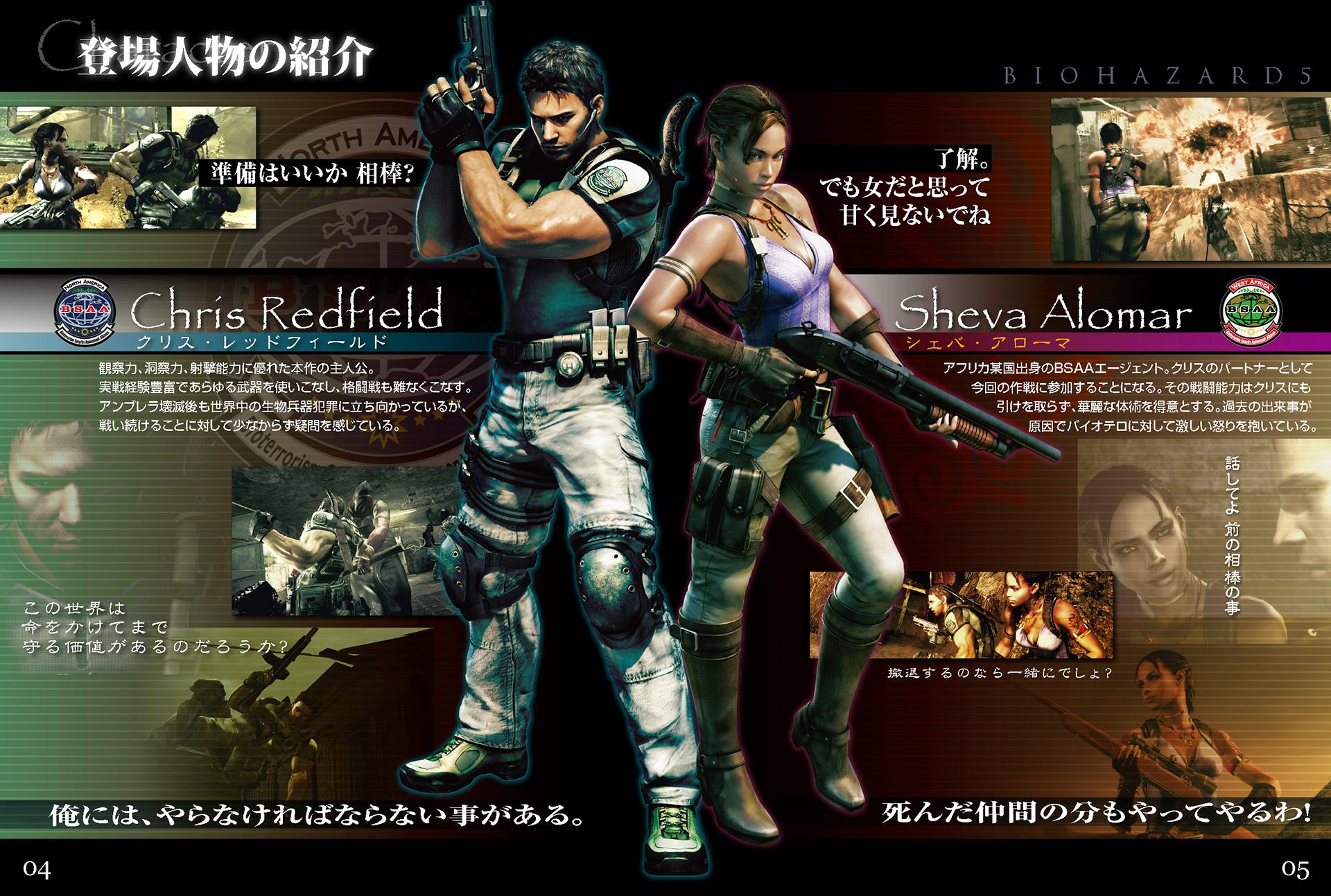
Resident Evil 5 received strong but somewhat divided reception in Japan, reflecting the series' shift toward action-focused gameplay. 4Gamer user reviews averaged 75 points for the Japanese release compared to 86 points internationally, suggesting Japanese players held stronger attachment to traditional survival horror elements. Steam reviews maintain an 87% positive rating across 20,972 reviews with a Very Positive designation. The Metacritic score of 84 represented a drop from RE4's legendary 96, though it still indicated a quality title by any objective measure.
The 2009 Japan Game Awards honored RE5 with the Commendation Prize, recognizing its technical innovation and commercial success in a highly competitive year.
Japanese gaming communities on 2ch and 5ch showed characteristic enthusiasm for the Mercenaries mode, with players reporting over 100 hours of dedicated play in the bonus content alone. Community sentiment frequently described the co-op experience as god tier, particularly for first-time cooperative playthroughs with friends.
With over 16 million copies sold worldwide across all versions, Resident Evil 5 achieved the highest sales figures in franchise history at the time of its release and held that record for over fifteen years. The game demonstrated that survival horror could succeed as a mainstream cooperative action experience while maintaining series lore and character development that longtime fans demanded.
The English voice cast delivered memorable performances that defined these characters for a generation. Roger Craig Smith brought Chris Redfield to life with gruff determination, Karen Dyer voiced and performed motion capture for Sheva Alomar with fierce resolve and warmth, and D.C. Douglas delivered the definitive Albert Wesker performance, all cold contempt and megalomaniacal grandeur.
Resident Evil 5 represents a pivotal moment in franchise history, successfully concluding the Wesker storyline that had driven the series since 1996 while establishing cooperative gameplay that would influence future entries including Resident Evil 6 and the Revelations spinoffs. The MT Framework technology demonstrated Capcom's technical prowess and established rendering approaches that evolved into today's RE Engine. The narrative delivered satisfying conclusions for plot threads spanning over a decade, and the Mercenaries mode created a competitive community that continues active play today. For fans of survival horror, cooperative action games, or simply great gaming experiences, Resident Evil 5 remains essential playing nearly two decades after its original release.
When Capcom released Resident Evil 5 in March 2009, it marked the explosive conclusion to Albert Wesker's decades-long saga and became one of the best-selling entries in the entire franchise. Known as Biohazard 5 in Japan, this action-horror epic took Chris Redfield to the sun-scorched Kijuju region of West Africa, introduced the beloved Sheva Alomar, and revolutionized co-op gameplay in survival horror. With over 16 million copies sold worldwide across all platforms, RE5 held the title of best-selling Resident Evil game until September 2025 when the Resident Evil 2 remake finally overtook it. It remains a monumental achievement in Capcom's storied history and one of the most ported games in the entire series.
Gallery
Get Gaming News and Features First
Stay updated with the latest gaming news and exclusive content.