APB: All Points Bulletin - Atari's Satirical Police Simulator That Paved the Way for Open-World Gaming
Atari's 1987 APB: All Points Bulletin pioneered open-world design with satirical police gameplay. Dave Theurer's influence on Grand Theft Auto.
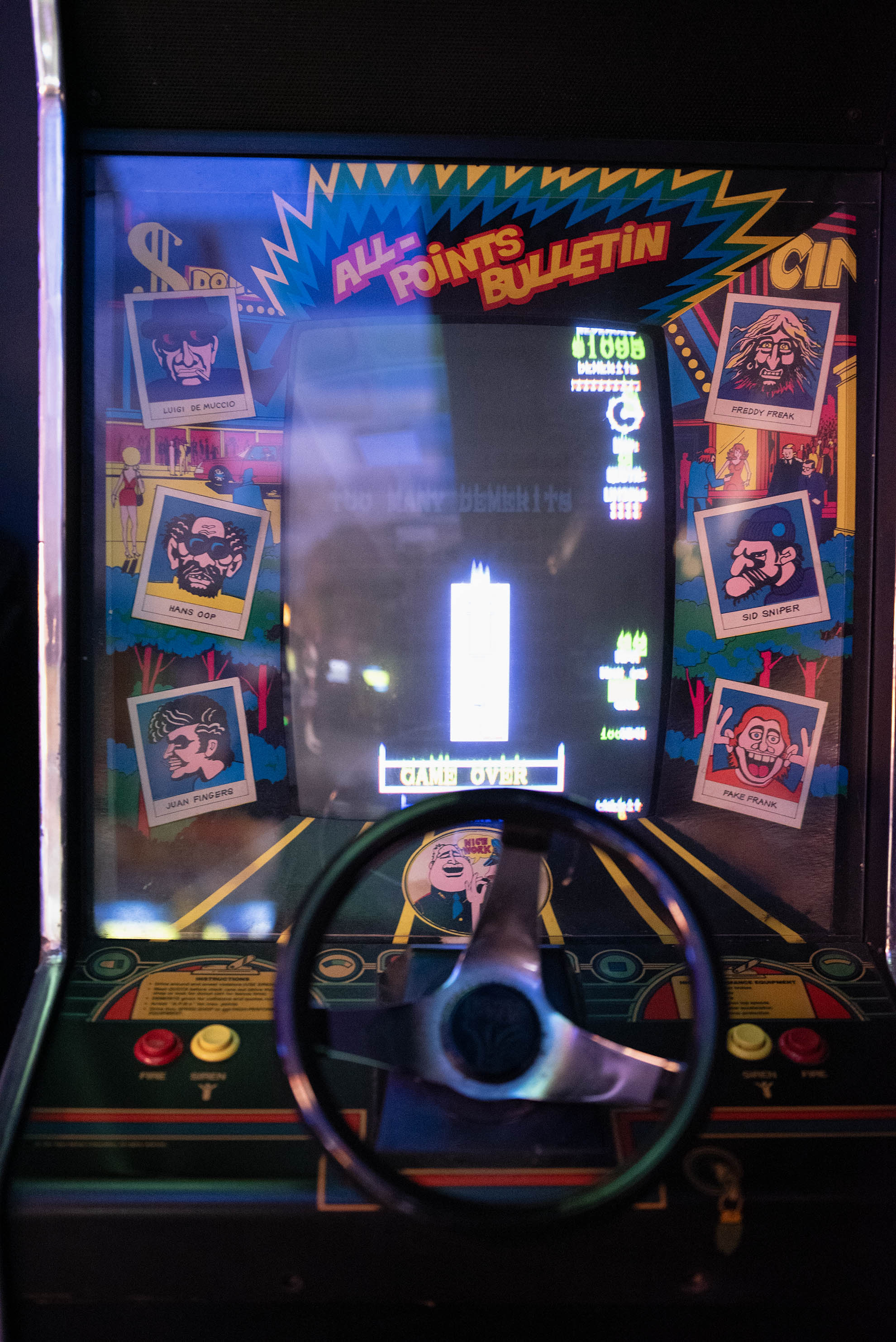
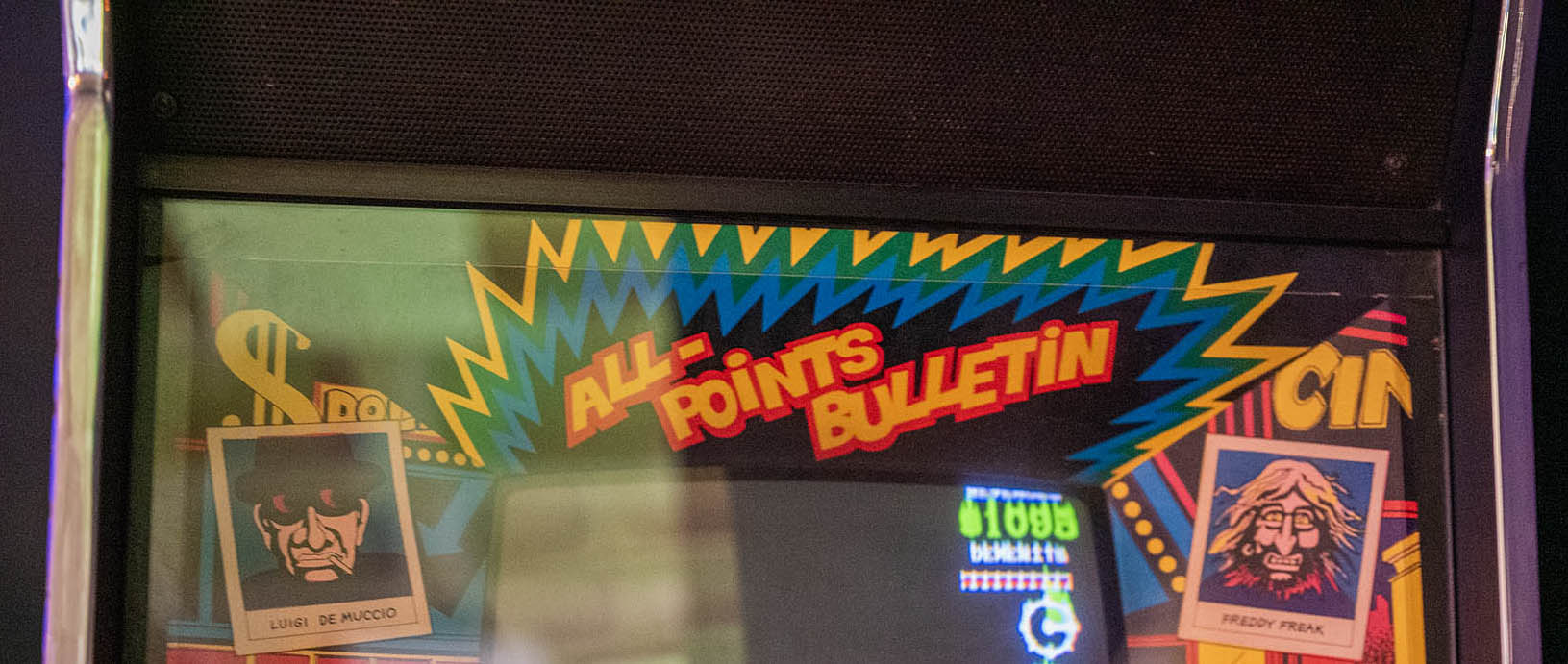
Picture yourself stepping into a dimly lit arcade in the summer of 1987. Among the flashing cabinets, one machine stands apart from the rest. Its top is crowned with authentic red and blue police lights that pulse and flash when activated, casting an unmistakable glow across the arcade floor. This is APB: All Points Bulletin, Atari Games' audacious attempt to turn law enforcement into interactive entertainment. For more arcade classics, explore Berzerk and Bad Dudes, complete with tongue-in-cheek humor and a surprising amount of freedom that would influence game design for decades to come.
The Birth of Open-World Mayhem
APB emerged during a golden age of arcade innovation, when developers at Atari Games were pushing boundaries in game design. Created by Dave Ralston, the game represented a bold departure from the linear racing games that dominated arcades. Instead of simply driving from point A to point B, players were given an entire city to patrol, a revolutionary concept that would later inspire countless open-world titles.
The game cast players as Officer Bob, a rookie cop working his way through the ranks of a satirical police department. Each day presented new challenges: traffic violators to ticket, criminals to arrest, and the ever-present pressure of meeting quotas while avoiding the wrath of Sergeant Mooney.
Gameplay: More Than Just High-Speed Chases
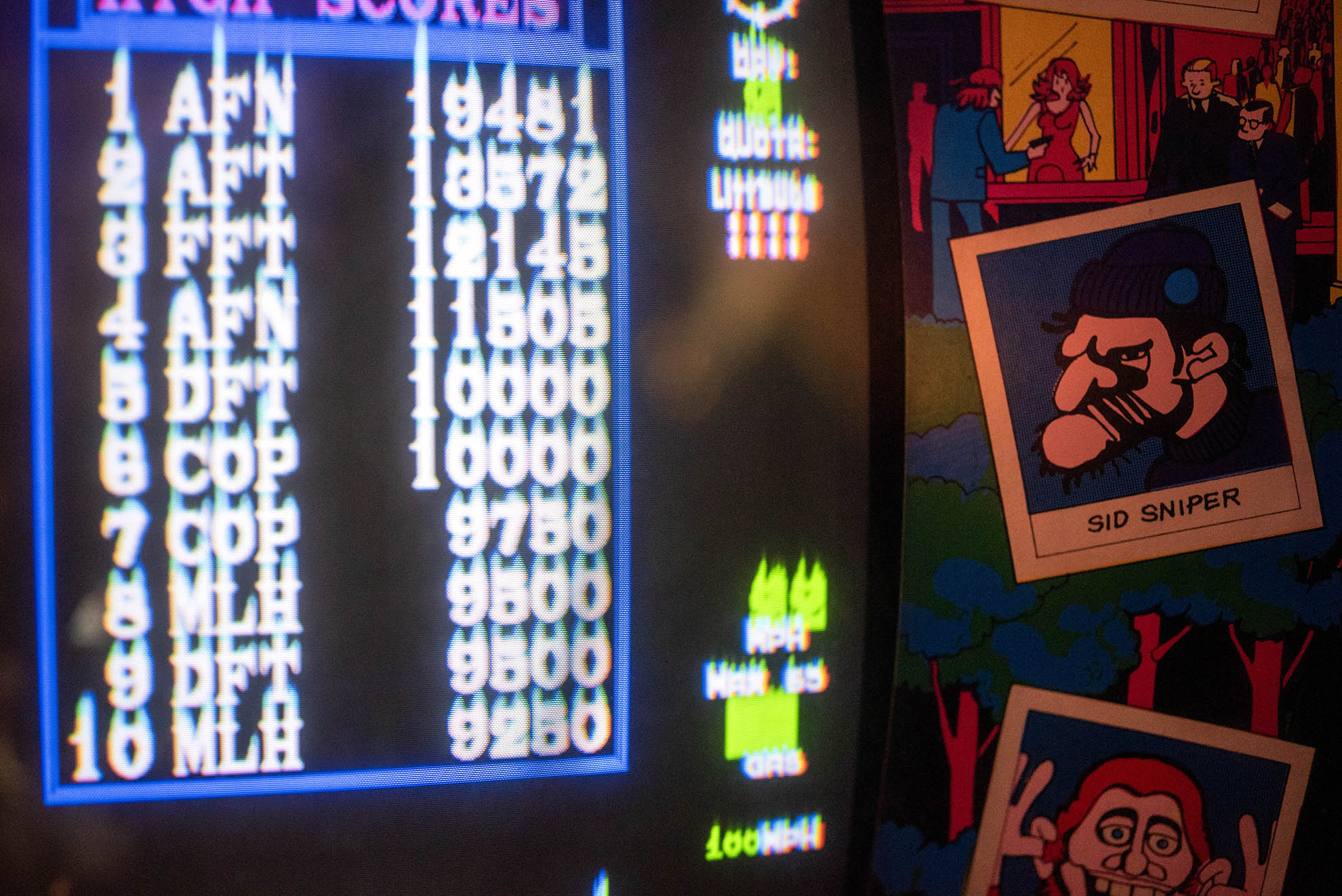
What set APB apart from its contemporaries was its multi-layered gameplay approach. Players didn't just race, they made decisions. The city sprawled before them with multiple routes, and how they chose to enforce the law directly impacted their success.
Each shift began with specific targets. Some days required ticketing "litterbugs" tossing trash from vehicles. Others demanded the capture of dangerous "APB" criminals, the game's namesake, who required more aggressive pursuit tactics.
The cabinet's distinctive feature was its functional siren button. Activating the siren cleared traffic ahead but also alerted criminals to your presence. This risk-reward mechanic added strategic depth uncommon in 1987 arcade games.
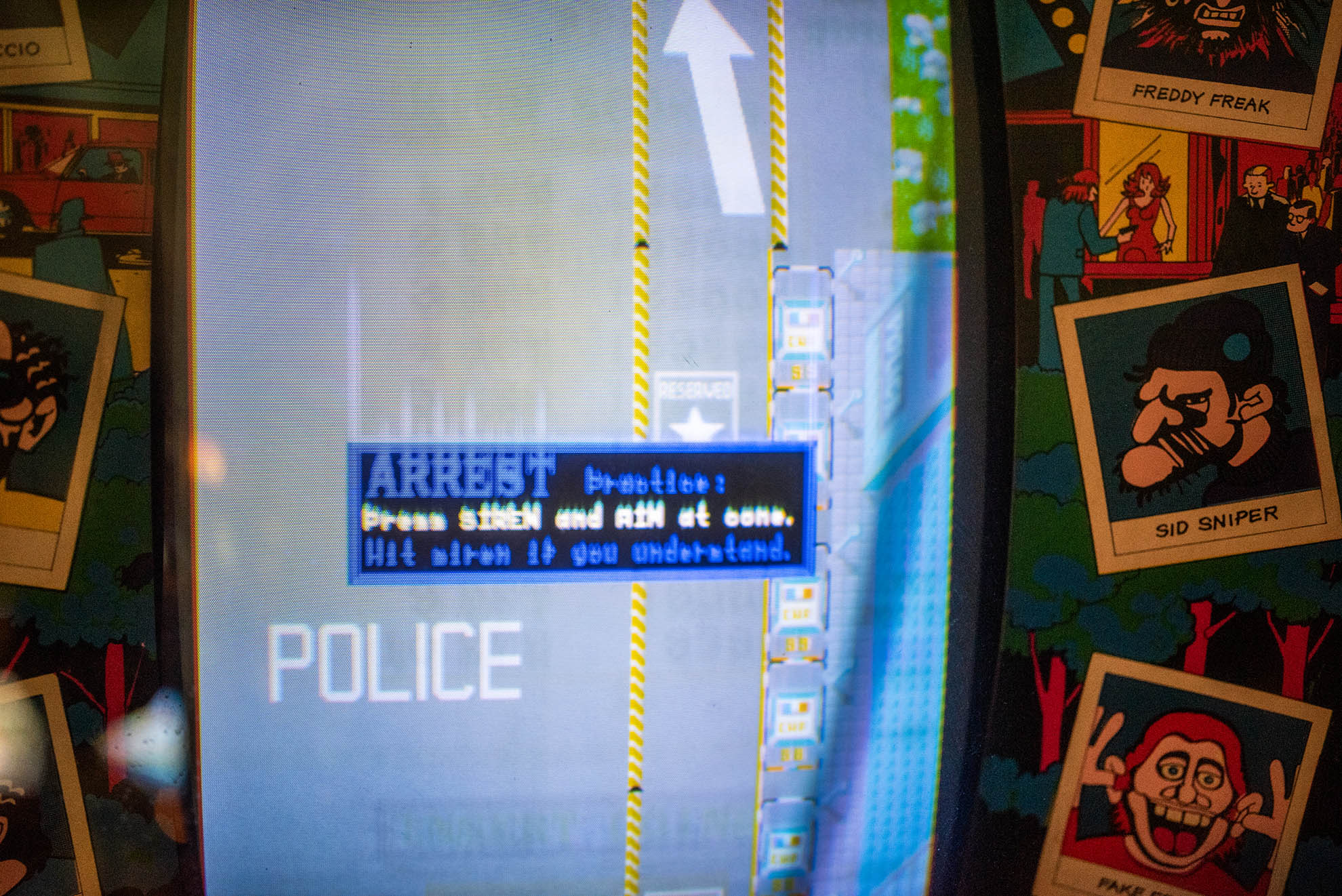
Once a perpetrator was cornered, players engaged in a unique "confession" minigame, using the steering wheel to coax confessions from suspects. Success meant points and promotions; failure meant watching criminals walk free.
The Hardware: A Patrol Car in the Arcade
Atari's engineers understood that immersion required more than just graphics. The APB cabinet featured several innovations that made it stand out on any arcade floor.
Mounted atop the cabinet, authentic-style emergency lights activated during APB pursuit sequences, creating an unmistakable visual presence that drew players from across the room. A substantial steering wheel controller provided responsive handling that felt appropriate for piloting a patrol car through crowded city streets. The siren button, positioned prominently on the control panel, triggered both in-game siren effects and real speaker output, further blurring the line between game and reality.
The hardware ran on Atari's proprietary System 2 board, featuring a Motorola 68010 processor and a sophisticated sound system that included the Yamaha YM2151 FM synthesizer, dual POKEY chips, and a TMS5220C for speech synthesis, allowing the game to deliver voice samples that mocked players' failures and celebrated their successes.
The Humor That Defined a Generation
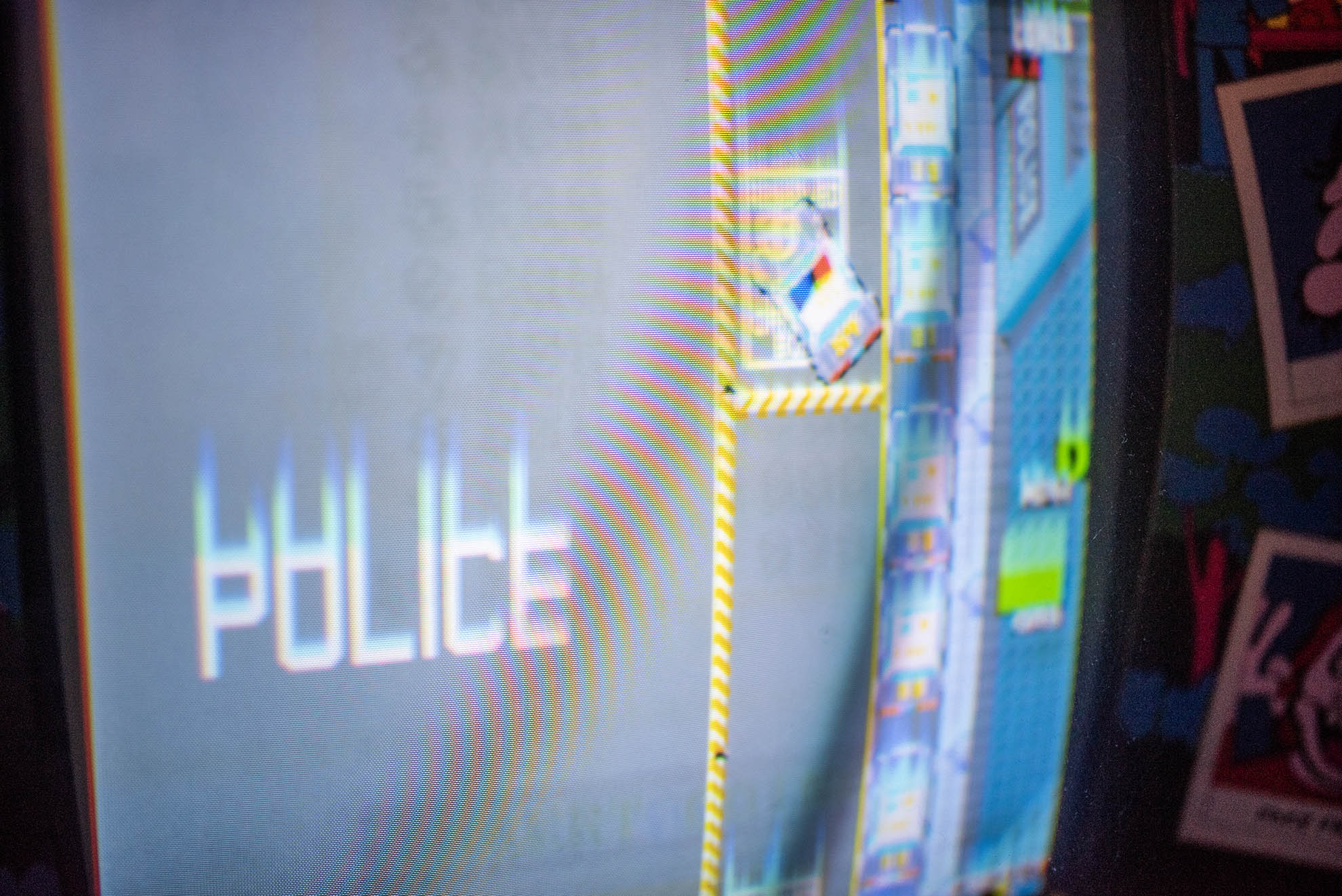
APB dripped with satirical comedy that separated it from more serious racing titles. The game's criminals were cartoonish stereotypes designed to elicit laughs: litterbugs, honkers (excessive horn users), drunks weaving across lanes, and the occasional "big boss" criminal requiring dedicated pursuit.
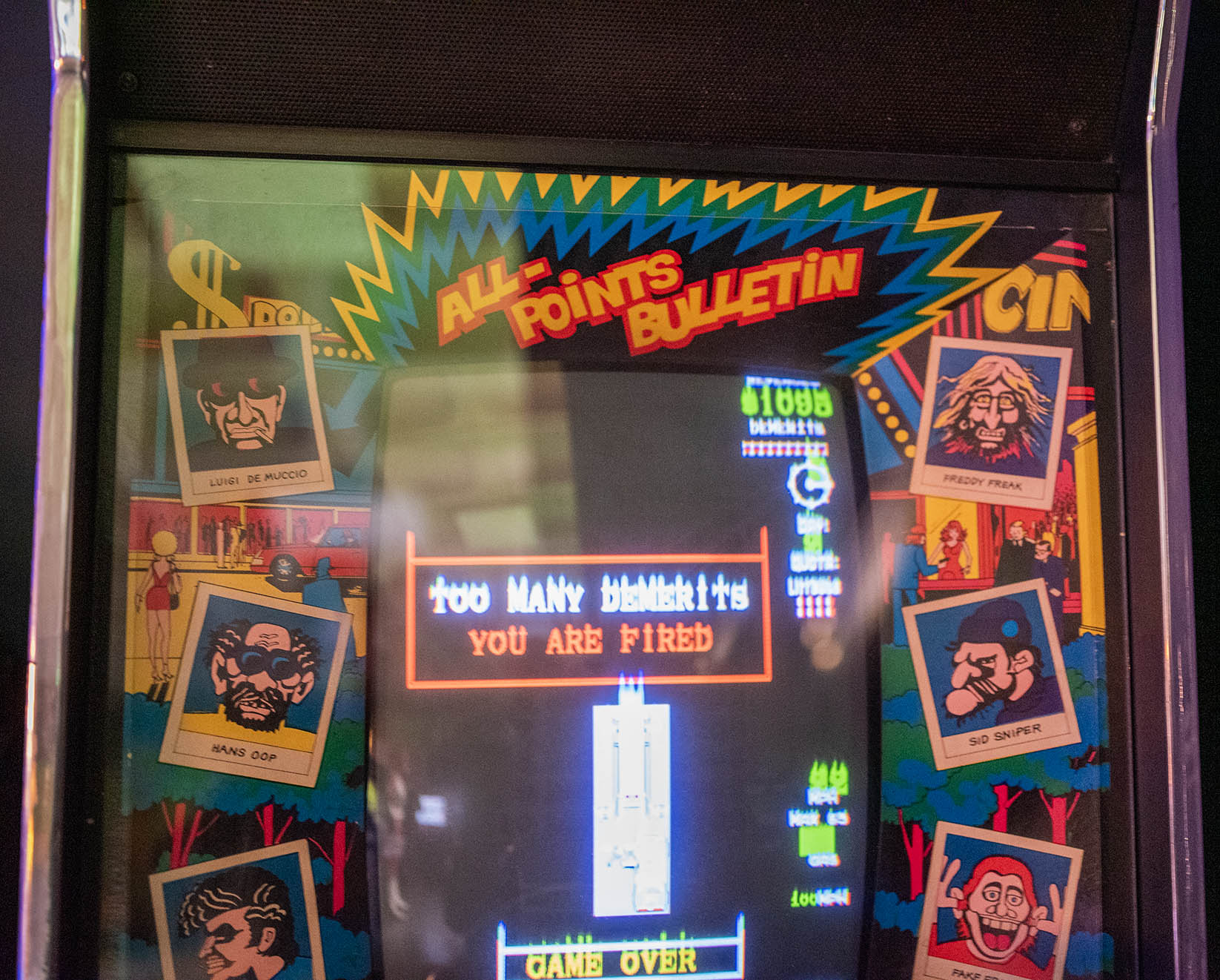
Sergeant Mooney served as both antagonist and comic relief. His exaggerated reactions to Officer Bob's failures, especially the infamous "demerits" sequences, became memorable moments that players discussed long after leaving the arcade. Getting fired meant watching Mooney tear into your character with amusing verbal abuse.
The criminal cast included memorable characters like Freddy Freak, Sid Sniper, and the elusive "Mr. Big." Each APB target had distinct characteristics and required different approaches to capture, adding variety to the patrol routine.
Legacy and Influence
While APB never achieved the cultural penetration of contemporaries like Out Run or Spy Hunter, its influence on game design proved substantial. The concept of an open city where players chose their own approach to objectives anticipated the design philosophy that would later define franchises like Grand Theft Auto.
The game's humor and satirical take on law enforcement also pioneered a tone that would resurface in countless titles. The idea that games could comment on institutions while remaining entertaining opened doors for more sophisticated narratives in the medium.
APB received ports to various home computers, including the Amiga, Atari ST, Commodore 64, and DOS systems. While these versions necessarily sacrificed the arcade cabinet's physical features, they preserved the core gameplay that made the original compelling.
Collecting APB Today
For modern collectors, APB cabinets represent both a challenge and a reward. The police light assembly, while iconic, requires maintenance and replacement bulbs. The steering mechanism needs periodic attention. However, a fully operational APB cabinet remains one of the most visually distinctive pieces any collector can own.
The game's board is based on Atari System 2 architecture, sharing components with other titles of the era like Paperboy and 720°. This commonality means replacement parts remain available through dedicated arcade restoration communities.
Playing APB Today
Beyond original hardware, APB has been preserved through various means. The game appeared in the Midway Arcade Treasures 2 compilation for PlayStation 2, Xbox, and GameCube, introducing the title to a new generation. Emulation through MAME also keeps the game accessible, though nothing quite replicates the experience of standing before that cabinet as the police lights begin to flash.
APB stands as a testament to the creativity of late-1980s arcade development. In an era when many games followed established formulas, Atari Games dared to create something different, a satirical, open-world driving game that gave players genuine choices while making them laugh. Nearly four decades later, Officer Bob's patrol car remains ready to roll, lights flashing, siren wailing, waiting for the next recruit brave enough to hit the streets.
All arcade cabinet photos taken by the author at The Pixel Bunker.
Technical Specifications
| Specification | Details |
| Developer | Atari Games |
| Release Date | 1987 |
| Platform | Arcade |
| Genre | Driving / Action |
| Players | 1 |
| CPU | Motorola 68010 @ 7.15909 MHz |
| Sound CPU | MOS Technology 6502 @ 1.789772 MHz |
| Sound Chips | YM2151, POKEY (x2), TMS5220C |
| Display | 336 x 240 pixels, horizontal |
| Cabinet | Upright with steering wheel and siren button |
| Designer | Dave Ralston |
Gallery
Get Gaming News and Features First
Stay updated with the latest gaming news and exclusive content.