Dragon Quest V: The Super Famicom RPG That Revolutionized Storytelling in 1992
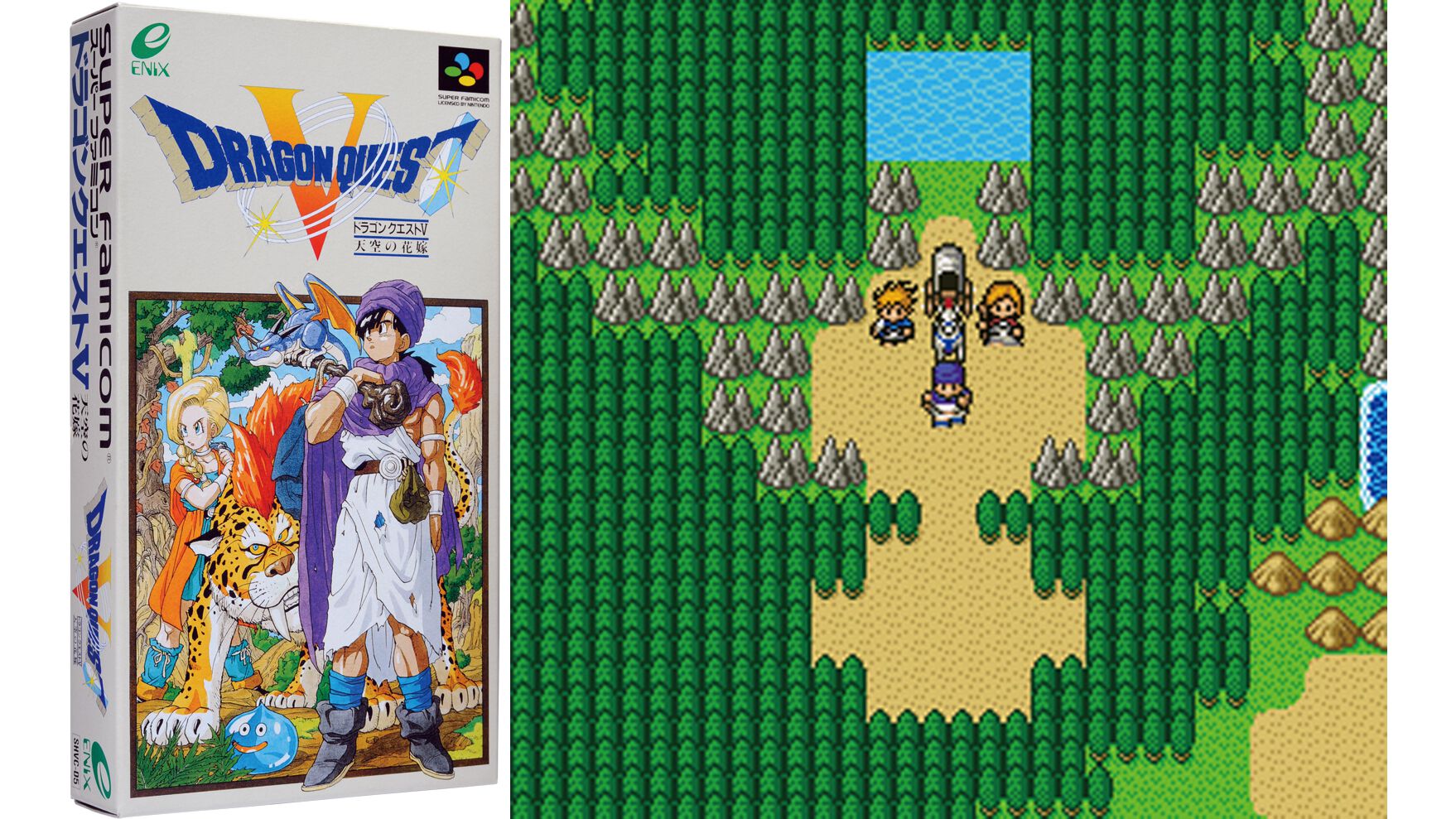
Dragon Quest V (1992) for Super Famicom introduced monster recruitment before Pokemon. Three-generation story with bride choice. Sold 1.3M copies in 24 hours.
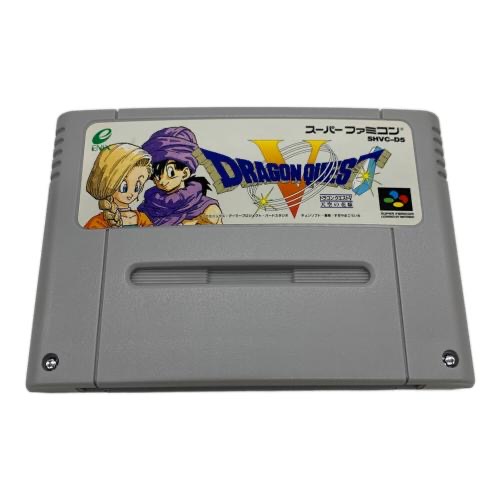
| EN Title | Dragon Quest V: Hand of the Heavenly Bride |
| JP Title | ドラゴンクエストV 天空の花嫁 |
| Platform | Super Famicom |
| Release Date | September 27, 1992 (Japan) |
| Developer | Chunsoft |
| Publisher | Enix |
| Director | Yuji Horii |
A Story Spanning Three Generations
What set Dragon Quest V apart from its predecessors was its ambitious narrative structure. Rather than following a single heroic adventure, the game chronicles the entire life of its protagonist from childhood to adulthood to fatherhood. Players witness the hero as a young boy traveling with his father Pankraz, experience devastating loss when tragedy strikes, endure years of slavery, and eventually find love, marriage, and parenthood.
This generational approach created emotional stakes rarely seen in games of that era. The characters age alongside the story, the world changes, and consequences from early decisions echo throughout the journey. Creator Yuji Horii has cited Dragon Quest V as his favorite in the series for its story and narrative, with Pankraz and Bianca among his favorite characters.
The Birth of Monster Recruiting
Years before Pokemon would popularize the concept of catching and training creatures, Dragon Quest V introduced monster recruitment to the JRPG genre. After certain battles, defeated monsters might offer to join the hero's party, becoming fully functional party members who could level up, equip items, and learn new abilities.
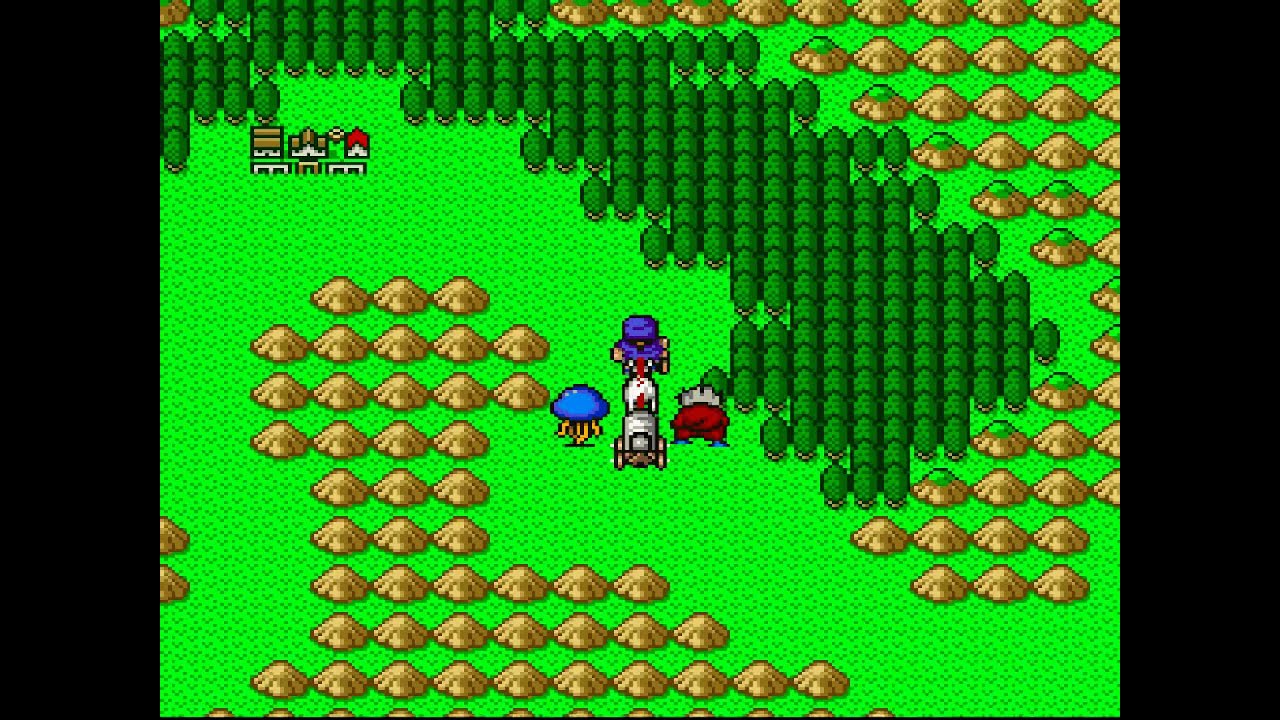
The Super Famicom version featured 49 recruitable monster species, each with unique stats and growth potential. The iconic Slime could join your ranks, as could powerful dragons and mysterious demons. This system proved so popular that it spawned the entire Dragon Quest Monsters spin-off series and influenced countless games that followed.
The Bride Decision
Dragon Quest V presented players with one of gaming's most memorable choices: selecting a bride. During the second generation, the hero must choose between Bianca, his childhood friend with fiery spirit, or Nera, a refined noblewoman. This decision affected not only the story but also the abilities inherited by the hero's children, who become crucial party members in the game's final act.
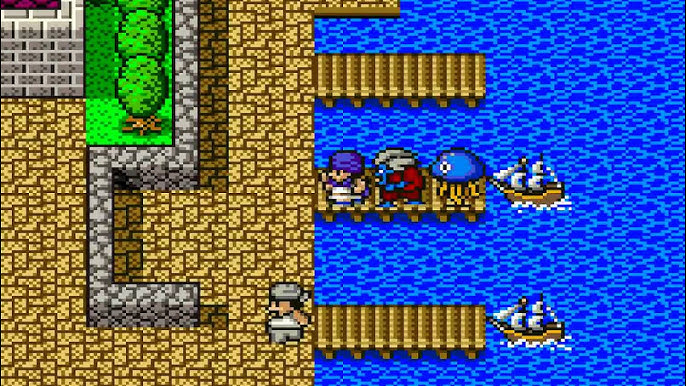
The emotional weight of this choice resonated deeply with players. Bianca represented nostalgia and shared history, while Nera offered stability and magical prowess. Debates over the "correct" choice continue among fans to this day. The DS remake later added a third option: Debora, Nera's haughty older sister, whom designer Yuji Horii described as "a character nobody in their right mind would pick."
Technical Excellence on Super Famicom
As the first mainline Dragon Quest on Nintendo's 16-bit console, Dragon Quest V showcased significant technical improvements. The Super Famicom's enhanced hardware allowed for more detailed Akira Toriyama-designed sprites with distinctive manga-style outlines, richer environments, and a more expansive soundtrack composed by Koichi Sugiyama.
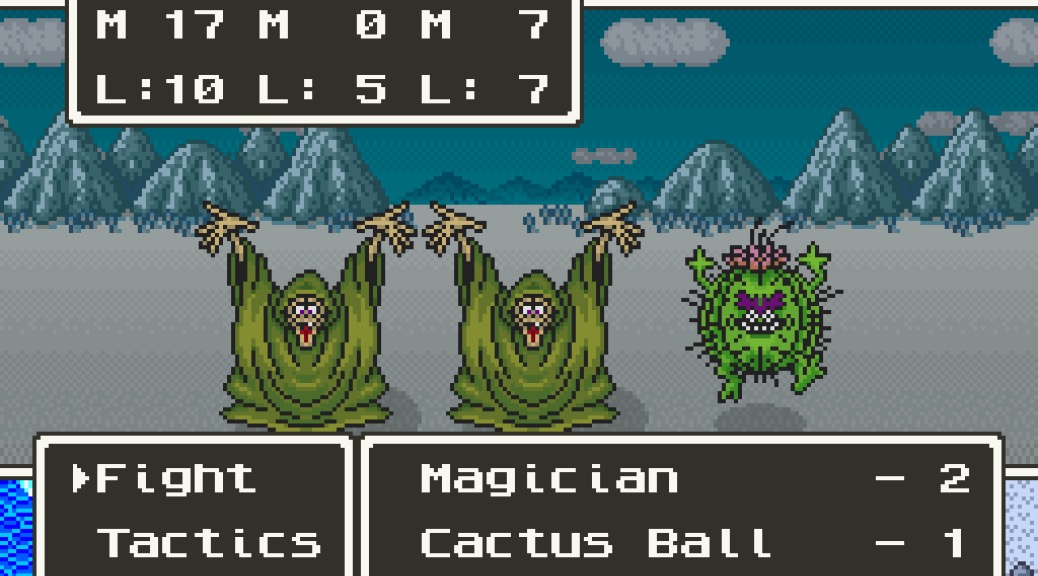
The game retained the series' traditional first-person battle perspective while adding the innovative wagon system. Party members stored in the wagon could be swapped mid-dungeon and still earned experience from battles, encouraging experimentation with the diverse roster of human characters and recruited monsters.
The Dream Team Behind the Legend
Dragon Quest V brought together three of Japan's most celebrated creative talents.

Yuji Horii crafted the scenario and game design, weaving together themes of family, loss, and perseverance that would define the game's emotional core. His masterful storytelling transformed what could have been a simple fantasy adventure into an unforgettable journey through a lifetime.

Akira Toriyama, already famous for Dragon Ball, provided the character and monster designs that gave the game its distinctive visual identity. His chibi-style heroes and expressive monsters became inseparable from the Dragon Quest brand, creating some of gaming's most iconic creature designs.

Koichi Sugiyama composed the orchestral soundtrack, continuing his legacy as one of gaming's pioneering composers. His sweeping melodies elevated every moment of the adventure, from triumphant battle themes to poignant emotional scenes.
A Farewell to Chunsoft
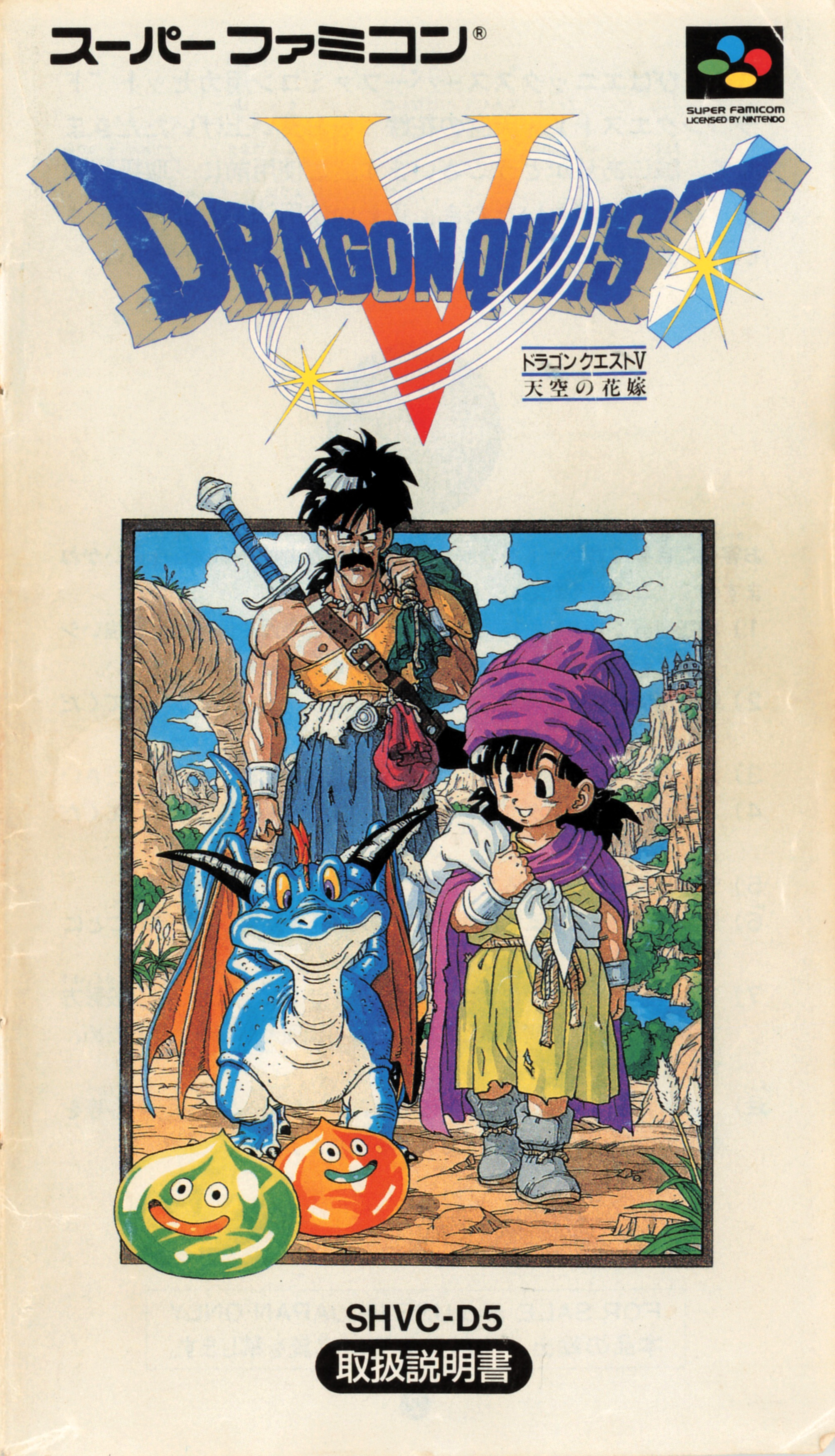
Dragon Quest V holds historical significance as Chunsoft's final mainline Dragon Quest development. The studio, led by Koichi Nakamura, had programmed every Dragon Quest game since the original 1986 release. After completing Dragon Quest V, Chunsoft departed to pursue independent projects, eventually creating beloved titles like the Mystery Dungeon series and the Zero Escape games.
Critical Acclaim and Legacy
Famitsu awarded Dragon Quest V a score of 36 out of 40, making it one of only eleven games to achieve such heights by 1992. The game dominated Japanese sales charts from October through November and finished as the best-selling home video game of 1992 in Japan. Its success even drove increased demand for the Super Famicom console itself.
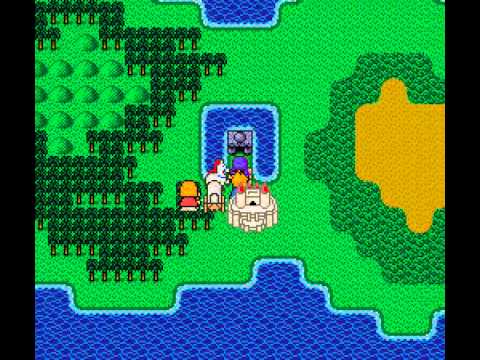
Despite its legendary status in Japan, Western players wouldn't experience Dragon Quest V until the Nintendo DS remake in February 2009, seventeen years after the original release. The DS version added a third bride option and featured updated graphics while preserving the emotional core that made the Super Famicom original so beloved. In a 2006 Famitsu reader poll of the top 100 games of all time, Dragon Quest V ranked 11th.
For retro RPG enthusiasts, the original Super Famicom Dragon Quest V represents a watershed moment in gaming narrative design. Its influence on monster-collecting games, generational storytelling, and meaningful player choice continues to echo through the medium more than three decades later.
For more retro JRPG content, see Secret of Mana and Donkey Kong.\n\nSeptember 27, 1992 marked a turning point for Japanese RPGs. On that day, Dragon Quest V: Tenkuu no Hanayome (Bride of the Heavens) launched exclusively for the Super Famicom, and queues stretching up to three miles formed outside stores across Japan. The game sold over 1.3 million copies within 24 hours, outselling even Street Fighter II's Super Famicom debut earlier that year.
Get Gaming News and Features First
Stay updated with the latest gaming news and exclusive content.