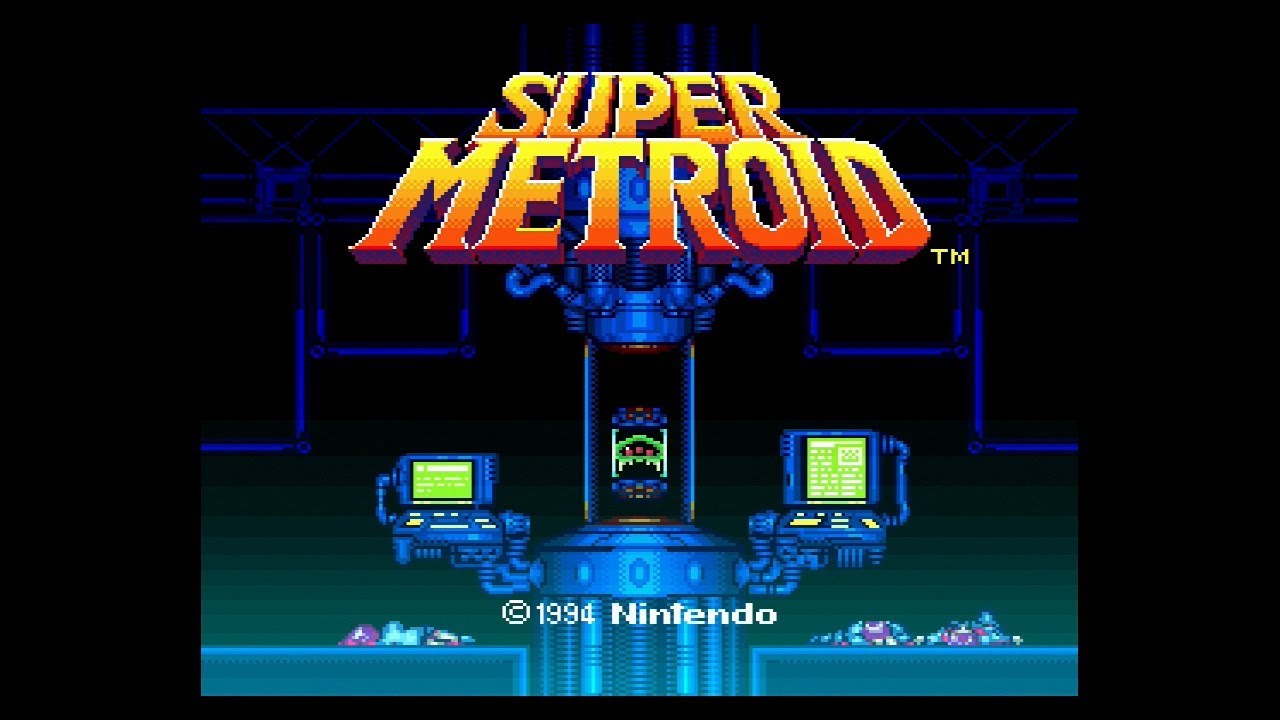
Super Metroid: The 24-Megabit Masterpiece That Defined a Genre
Discover Super Metroid's hidden secrets, speedrun techniques, and the romantic easter egg coded at midnight. The definitive SNES masterpiece analysis.
"The last Metroid is in captivity. The galaxy is at peace."
Those words, spoken by Nintendo of America localization manager Dan Owsen in one of the first English voice performances ever recorded for a Nintendo console game, have echoed through gaming history for over three decades. Released on March 19, 1994, Super Metroid arrived during the twilight years of the Super Famicom era, yet it stands today as one of the most influential video games ever created. This is the story of a 24-megabit cartridge that changed everything.
| EN Title | Super Metroid |
| JP Title | スーパーメトロイド |
| Release | March 19, 1994 (JP) / April 18, 1994 (NA) / July 28, 1994 (EU) |
| Platform | Super Famicom / Super Nintendo Entertainment System |
| Developer | Nintendo R&D1, Intelligent Systems |
| Publisher | Nintendo |
| Director | Yoshio Sakamoto |
| Producer | Makoto Kano |
| Composer | Kenji Yamamoto, Minako Hamano |
The Birth of a Masterpiece
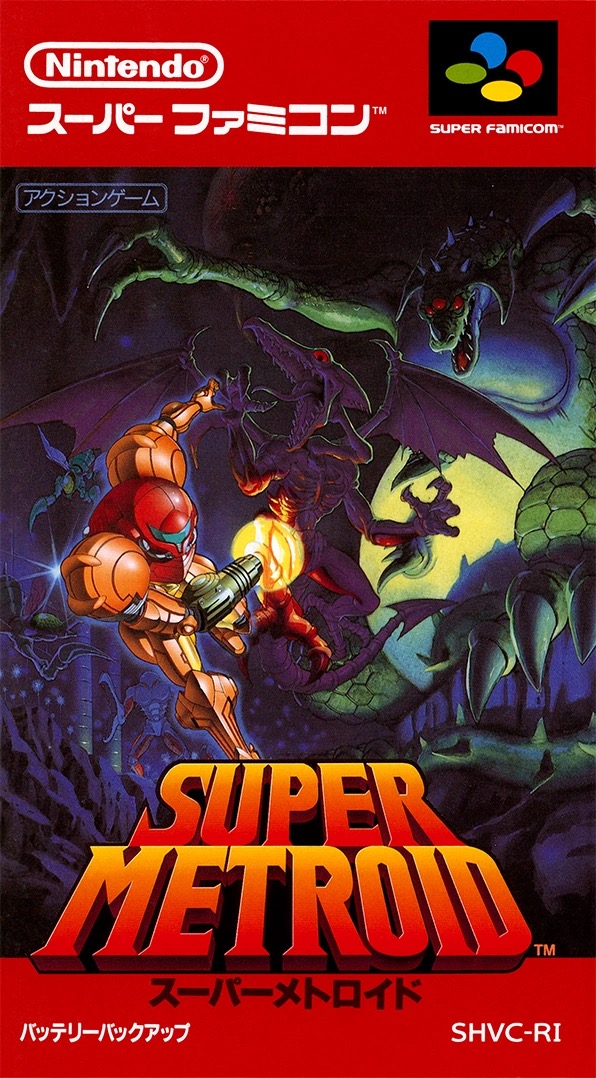
Development of Super Metroid began in autumn 1991, when producer Makoto Kano instructed his subordinate Yoshio Sakamoto to create a sequel to the Metroid series. Sakamoto, who had served as an assistant on the original 1986 Famicom Disk System game, would now take the helm as director. The project was originally conceived as the finale to the Metroid saga, a fitting conclusion that would close the book on Samus Aran's adventures.
It took six months just to get the project approved by Nintendo's management. What followed was an intensive two-and-a-half-year development cycle, remarkably long by the standards of the era. A team of 15 developers worked under the legendary Gunpei Yokoi, the visionary who had created the Game Boy and would later develop the ill-fated Virtual Boy. Intelligent Systems, the studio behind Fire Emblem and Paper Mario, handled the programming. This era of Nintendo development produced several masterpieces, including Square's Secret of Mana while Nintendo R&D1 focused on art direction and game design.
The collaborative process between Sakamoto's vision and Intelligent Systems' technical prowess produced something unprecedented. As Sakamoto later recalled in interviews, some features were added to the game without even being tested, a testament to the creative freedom and tight deadlines that defined the project.
An American Surprise
One of the most revealing anecdotes from Super Metroid's development came from Sakamoto's visit to Nintendo of America's Seattle headquarters following the original Metroid's release. NOA employees took him around local shopping malls, introducing him to strangers as "the person who made Metroid." Sakamoto was stunned to discover that virtually everyone in America knew the game. The Metroid series had always performed better in Western markets than in Japan, a pattern that would continue with Super Metroid.
This cultural divide influenced the game's development in subtle ways. The Western preference for action and exploration over the more linear experiences popular in Japan helped shape Super Metroid's sprawling, interconnected world design. Sakamoto understood that his Western audience craved the freedom to chart their own path through an alien landscape.
Technical Marvel: The Largest SNES Game
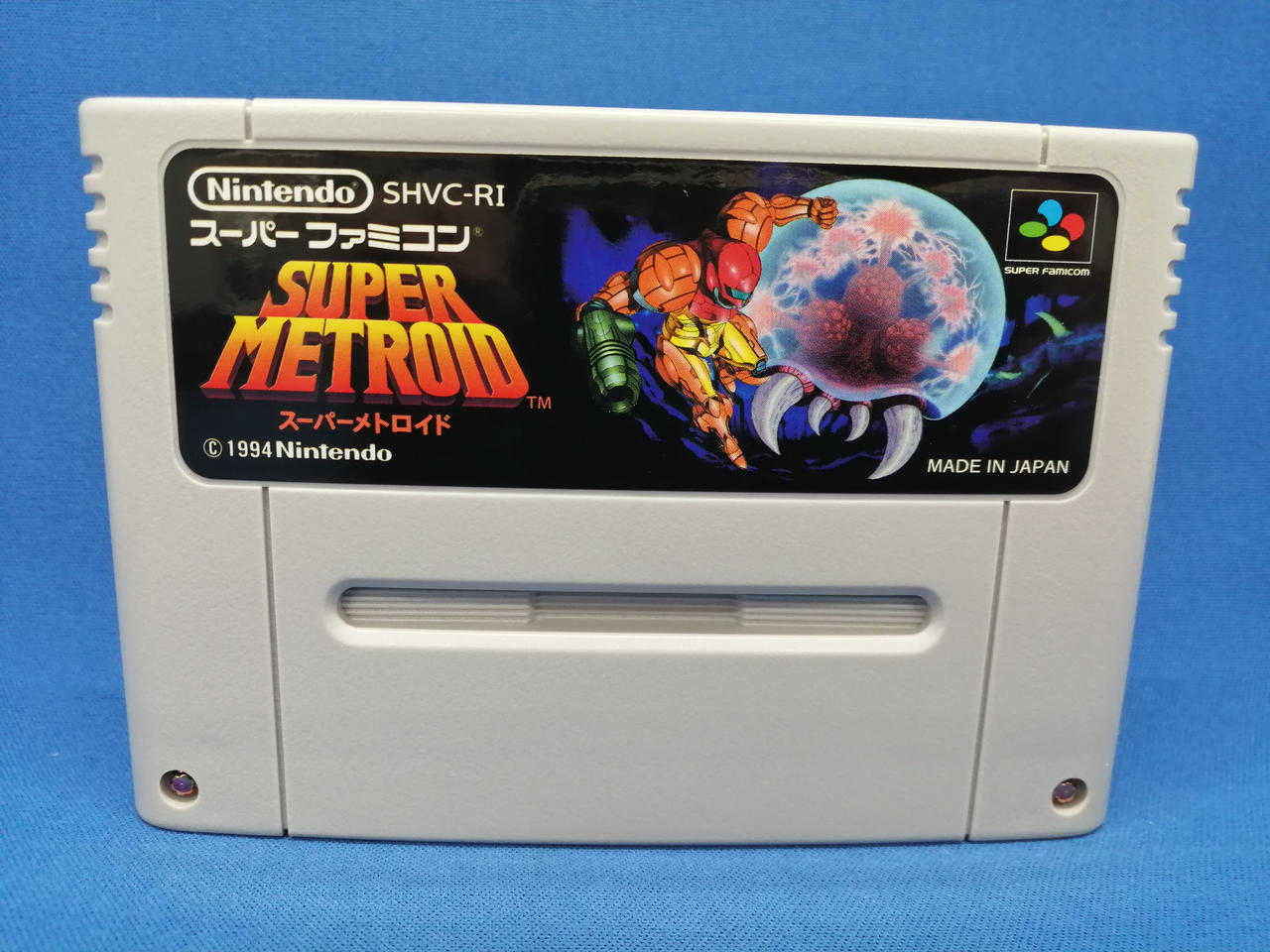
Super Metroid shipped on a 24-megabit cartridge, making it the largest Super Nintendo game at the time of its release. Nintendo's marketing department seized on this fact with promotional materials declaring "24 Megs of action in the largest Super NES game ever!" For context, Super Mario World had shipped on a mere 4-megabit cartridge, making Super Metroid six times larger than the SNES launch title. Only later releases like Star Ocean, at 48 megabits, would surpass its size.
The cartridge featured battery-backed SRAM for its three save slots, allowing players to preserve their progress through the lengthy adventure. What made Super Metroid's technical achievement remarkable was that it accomplished everything without relying on enhancement chips like the Super FX or SA-1 that powered other graphically impressive SNES titles. Every effect, every parallax layer, every transparency was achieved through pure Super Nintendo hardware.
The game utilized Mode 1 graphics, featuring a 16-color front layer, a 16-color background layer, and a 4-color third layer reserved for the heads-up display. The development team pushed the SNES's transparency capabilities further than almost any other game of the era, creating atmospheric gradient effects reminiscent of the Amiga computer's visual style. The BG3 layer was employed for blended fog and cloud effects in the foreground, as well as deep parallax backgrounds that gave Zebes its haunting sense of depth. This creative use of the third layer meant sacrificing a transparent HUD, a trade-off the developers deemed worthwhile for the atmospheric payoff.
Mode 7 rendering, the SNES's signature pseudo-3D effect, appears selectively throughout the game. The opening cinematic, Ceres Station's elevator room, and the confrontation with Ridley all employ Mode 7 for dramatic camera movements and sprite scaling effects. The restraint in using Mode 7 only for key moments made those sequences feel all the more impactful.
The Sound of Isolation
Composer Kenji Yamamoto, born April 25, 1964, served a remarkable triple role on Super Metroid: composer, sound programmer, and sound effect creator. He wrote a custom program to send sound data to the SNES's audio chip, giving him unprecedented control over the final output. The SNES's eight simultaneous sample channels represented a massive upgrade from the original Metroid's three PSG channels plus one noise channel on the NES.
Yamamoto decided early in development that rich, expressive sounds like a female chorus would be necessary to portray Super Metroid's setting realistically. He created unique sound effects for the infant Metroid to convey different emotions, giving the creature a voice that would become central to the game's emotional climax. According to development lore, Yamamoto would hum the game's themes while riding his motorcycle home from work at night, letting the melodies develop in his mind during the commute.
The result was a soundtrack that perfectly captured the isolation and wonder of planetary exploration. From the haunting ambience of Crateria's surface to the oppressive heat of Norfair's depths, every area had a distinct sonic identity. Collaborator Minako Hamano contributed additional compositions, and the duo would reunite for later Metroid titles including Zero Mission and Metroid Prime 3: Corruption. The franchise continues today with the upcoming Metroid Prime 4: Beyond.
The Baby's Journey
Super Metroid's story picks up directly from the events of Metroid II: Return of Samus on the Game Boy. After exterminating the Metroid species on planet SR388, Samus discovered a lone egg that hatched in her presence. The infant Metroid imprinted on her as its mother, creating a bond that would drive the entire plot of Super Metroid.
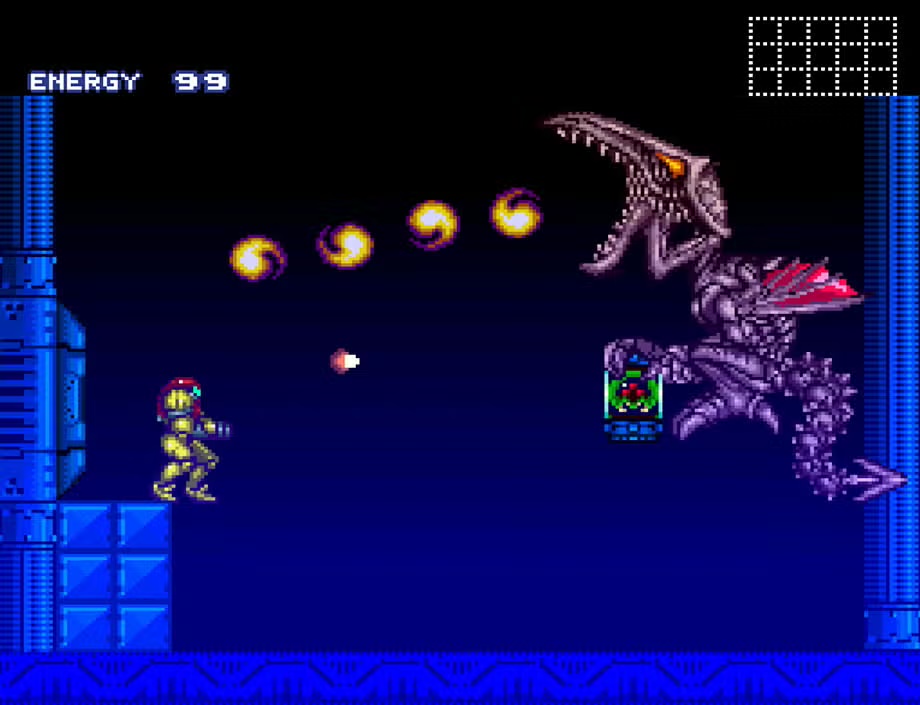
Samus delivered the hatchling to scientists at the Ceres Space Colony, hoping they could harness its energy-producing abilities for peaceful purposes. But shortly after departing, she received a distress signal: the colony was under attack. Returning to find the scientists murdered, Samus confronted her nemesis Ridley, who escaped with the baby Metroid. The chase led back to planet Zebes, site of her original mission, now rebuilt by the Space Pirates.
The game's climax remains one of gaming's most powerful moments. After battling through Zebes and defeating the four guardian bosses, Samus faces a transformed Mother Brain in a seemingly unwinnable battle. The biomechanical horror unleashes a devastating Hyper Beam that leaves Samus paralyzed and near death. At the moment of defeat, the now-giant baby Metroid intervenes, draining energy from Mother Brain and transferring it to Samus. Mother Brain destroys the creature, but its sacrifice grants Samus the Hyper Beam and the power to finish the fight.
The baby Metroid's remains rain down upon Samus in a scene that still moves players three decades later. This moment of genuine tragedy, communicated entirely through gameplay and visuals without a single word of dialogue, demonstrated that video games could achieve emotional storytelling rivaling any other medium.
Planet Zebes: A World Design Masterclass
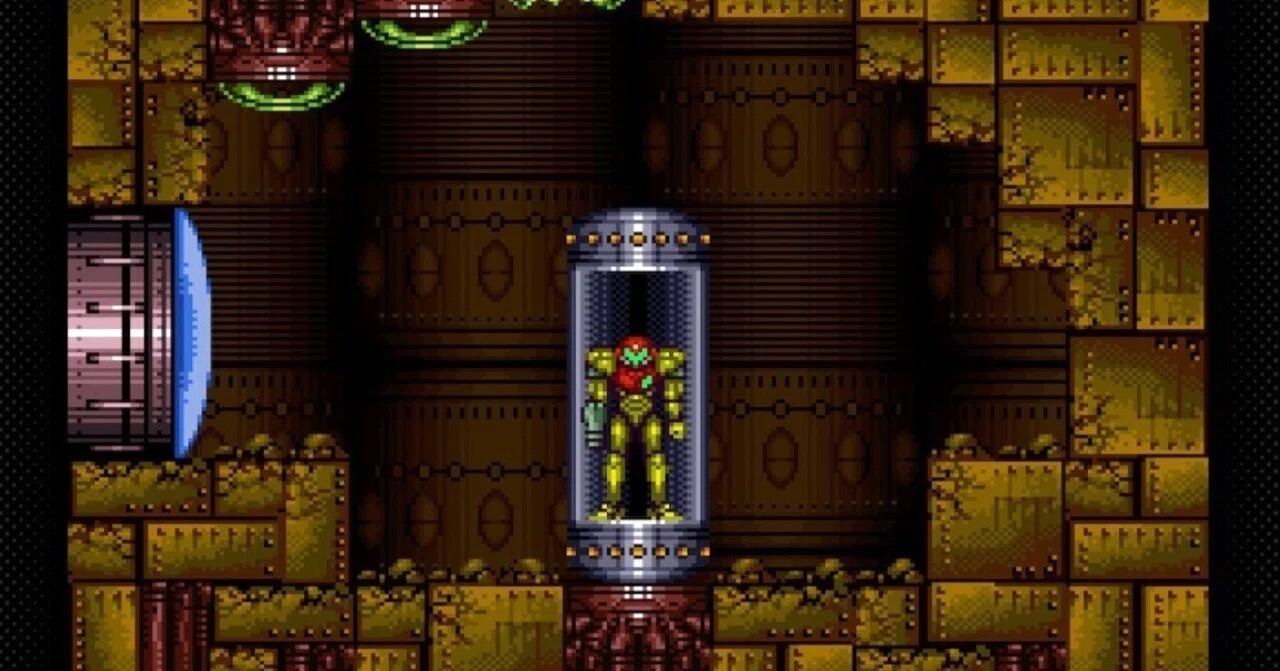
Super Metroid's world design established principles that would define an entire genre. Planet Zebes consists of six interconnected regions: the rain-swept surface of Crateria, the overgrown jungles of Brinstar, the volcanic depths of Norfair, the ghostly Wrecked Ship, the underwater labyrinth of Maridia, and the final area of Tourian where Mother Brain waits.
Each region flows seamlessly into the others, with hidden passages and locked doors encouraging players to revisit areas as they acquire new abilities. This non-linear structure rewarded curiosity and exploration while maintaining a carefully designed progression. Items like the Grapple Beam, Space Jump, and Speed Booster opened new paths through previously explored areas, creating an addictive loop of discovery and empowerment.
The Four Guardians (Kraid, Phantoon, Draygon, and Ridley) serve as both progression gates and memorable encounters. The Golden Statues, a massive monument depicting all four bosses, blocks entry to Tourian until each guardian falls. As Samus defeats them, their corresponding statue darkens, providing elegant visual feedback on the player's progress. This mechanic implied that Draygon and Phantoon, despite their monstrous appearances, held positions of authority within the Space Pirate hierarchy comparable to the series veterans Kraid and Ridley.
The sense of isolation permeating every corridor of Zebes remains unmatched. Environmental storytelling replaced exposition, with dead scientists, abandoned machinery, and the bones of enormous creatures hinting at the planet's dark history. The map system, innovative for its time, tracked exploration progress while still leaving secrets for players to discover.
Hidden Techniques
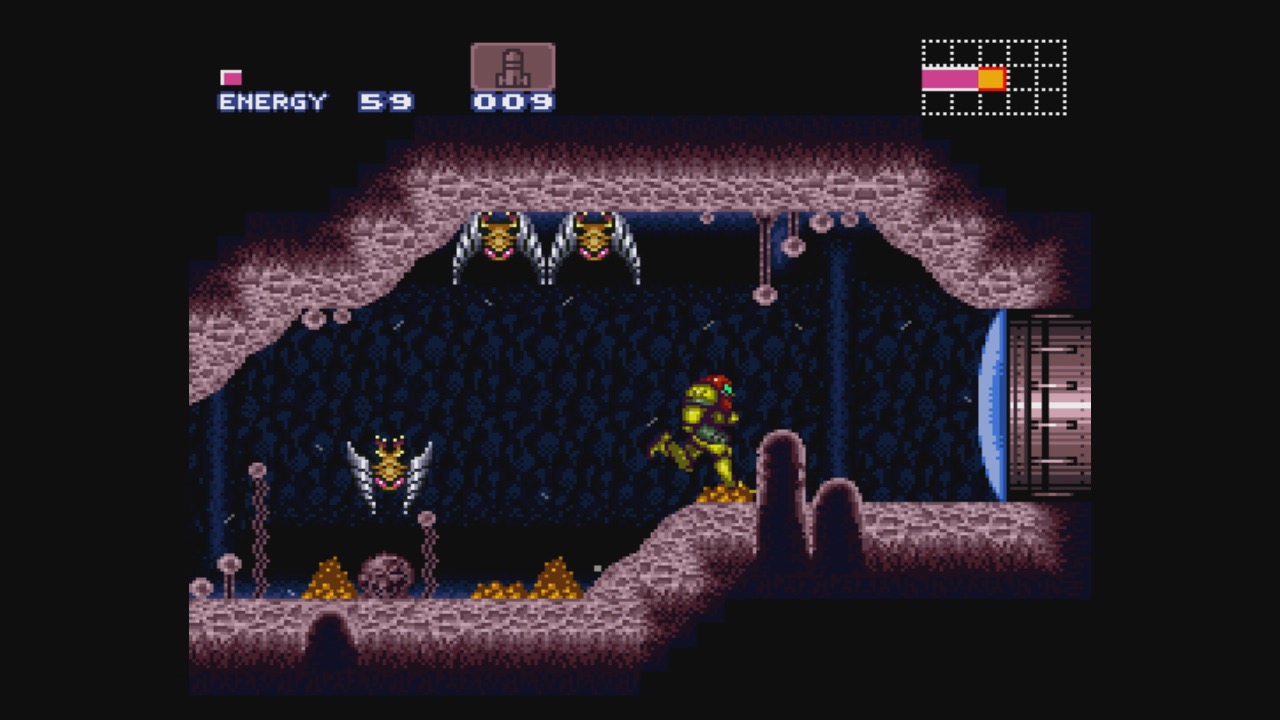
Super Metroid distinguished itself through a philosophy of hidden depth. The game teaches essential techniques through wordless encounters with Zebes's native creatures. In a hidden room in Brinstar, small creatures called Etecoons demonstrate the wall jump, bouncing off walls to reach impossible heights. Deeper in the tunnels, a bird-like creature called Dachora performs the Shinespark, a technique where stored Speed Booster energy can launch Samus in any direction.
Neither technique is required to complete the game, yet both transform how experienced players approach exploration. The wall jump allows access to areas seemingly blocked by vertical shafts, while the Shinespark can bypass entire sections of the map. The developers were clearly aware of sequence-breaking possibilities and, rather than patching them out, designed stages that acknowledged and even encouraged creative problem-solving.
Advanced techniques continued to emerge years after release. The Mockball allows Samus to maintain running speed while in morph ball form, opening early access to Super Missiles and other upgrades. Crystal Flash converts weapon energy into health when Samus faces death, requiring a precise button combination and specific resource thresholds. Beam Combos, activated by charging different beam configurations with Power Bombs selected, produce devastating special attacks.
Perhaps most impressively, the game's attract mode demonstrations, which play after leaving the title screen idle, reveal some of these advanced techniques after the player completes the game. Crystal Flash, diagonal Shinesparking, and beam combos all appear in these unlockable demos, proving the developers wanted attentive players to discover these secrets.
Worldwide Release
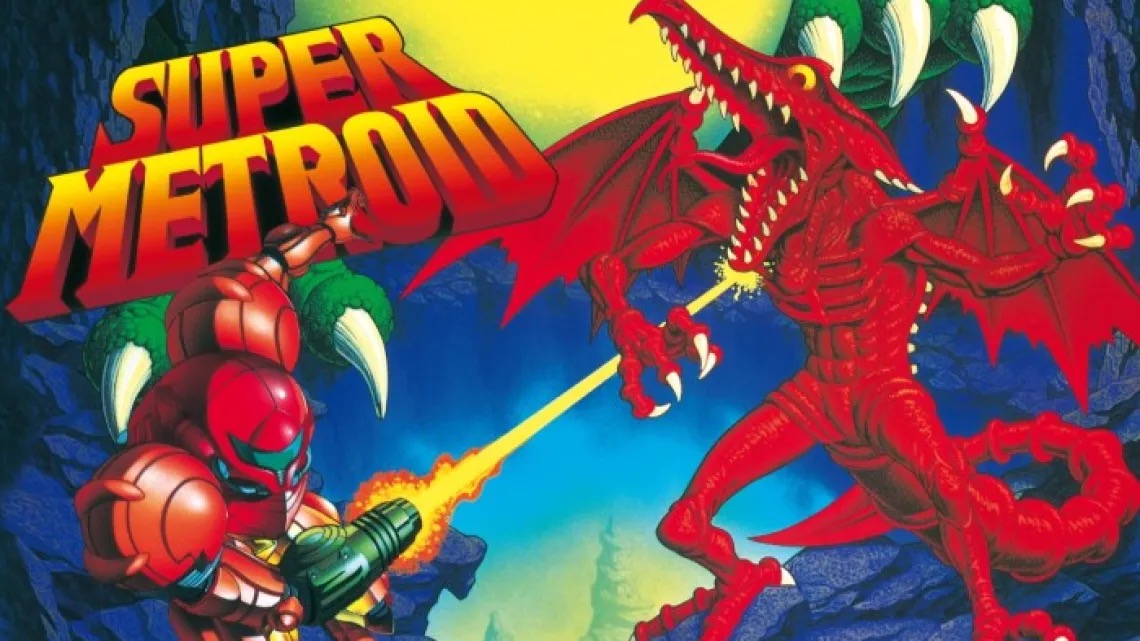
Super Metroid launched in Japan on March 19, 1994, followed by North America on April 18 and Europe on July 28. The North American price of $59.99 reflected the premium cost of 24-megabit cartridges, while UK retailers charged approximately £70 for the European release.
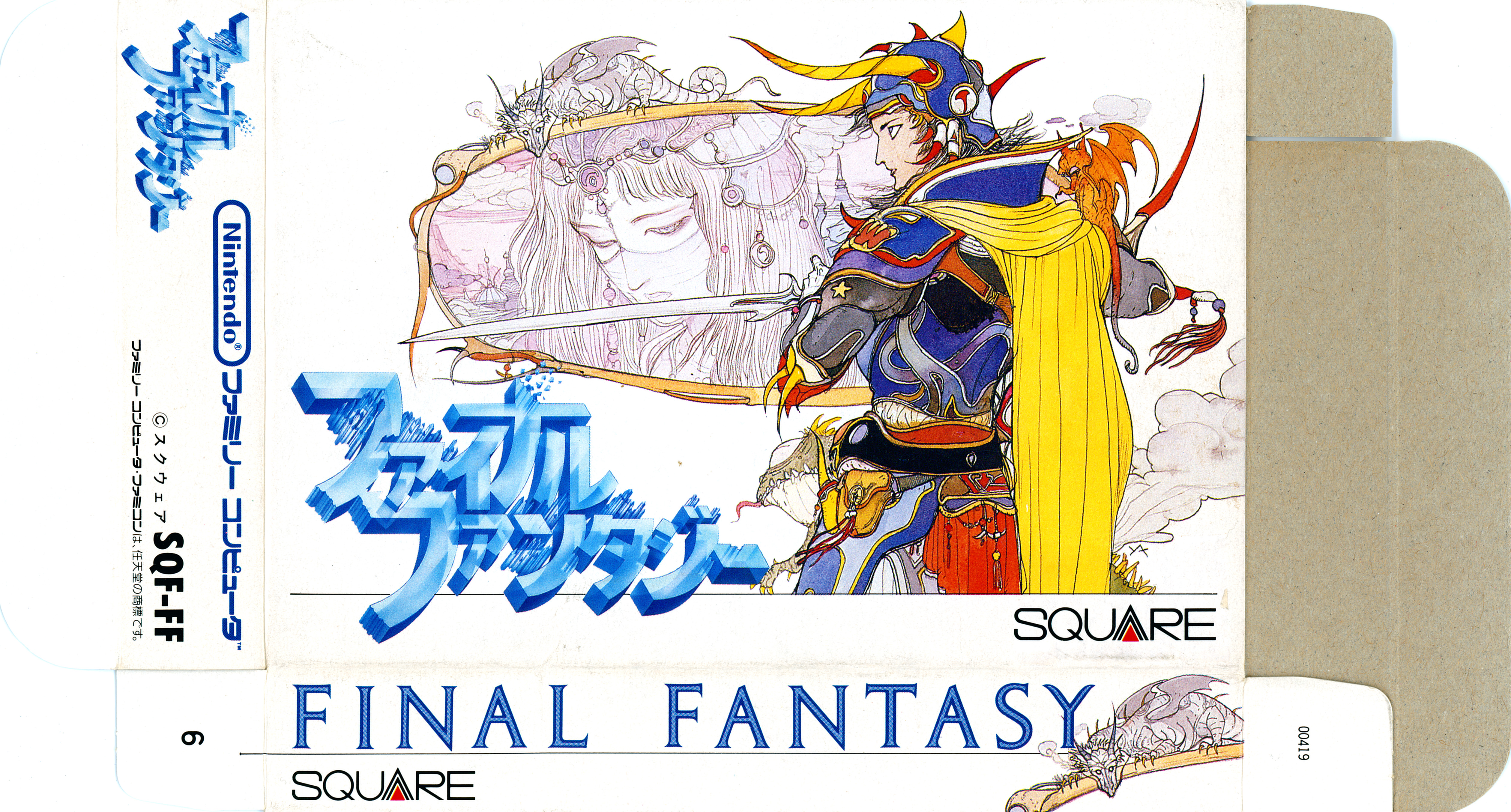
Regional box art differed significantly. The Japanese version featured Samus alongside the baby Metroid with Kraid visible in the background, accurately representing the game's themes without spoiling major encounters. The North American cover depicted Samus blasting Ridley directly in the chin, prioritizing action over accuracy. European fans often joke that the American version "looks like the EU one got damp." Many collectors consider the Japanese box art without parallel in the series.
The NTSC and PAL versions differed substantially beyond packaging. European players experienced the game at 50 frames per second rather than the intended 60, resulting in a 17% slower refresh rate that fundamentally altered the gameplay experience. Speedrunning techniques developed for NTSC versions required completely different timing on PAL systems, with some strategies proving impossible. The higher underwater jump height on PAL systems created unique possibilities, spawning PAL-exclusive speedrun categories like 14% Iceboots and 14% Speedboots.
The NTSC version offered selectable English and Japanese text, with Japanese adding subtitles to cinematic sequences. For speedrunners, this created minor timing differences: Japanese text required multiple button presses to scroll through certain cards in the opening cinematic, affecting TAS runs and categories that include the intro.
Digital Rebirth
Super Metroid's legacy extended through Nintendo's digital platforms. The game appeared on the Wii Virtual Console beginning August 20, 2007, as part of a "Month of Metroid" promotion. The Wii U Virtual Console release on May 15, 2013, offered the game for just 30 cents during a special trial campaign. New Nintendo 3DS owners gained access on April 14, 2016, and the Nintendo Switch Online service added Super Metroid on September 5, 2019.
The SNES Classic Edition's 2017 release introduced millions of new players to Zebes, while older Virtual Console releases on Wii and Wii U provided PAL versions to European players. Later releases on SNES Classic and Switch standardized on the NTSC version worldwide. Some Virtual Console releases included anti-flashing patches that inadvertently affected advanced techniques like the Kraid Quick Kill.
Commercial and Critical Success
Super Metroid sold 531,000 copies in Japan during 1994, making it the ninth best-selling game of the year. The title topped the Super NES sales chart in North America during May 1994, benefiting from Nintendo's aggressive marketing campaign. After one year, the game earned placement on Nintendo's Player's Choice budget label. By late 2003, worldwide shipments had reached 1.42 million units.
These numbers represented a decline from the original Metroid's 2.73 million units, reflecting broader challenges facing the series in Japan. Yet the game's critical reception was nothing short of rapturous. Famitsu awarded Super Metroid a 32/40 score (8/8/8/8), with reviewers praising its Zelda-like exploration and perfectly calibrated difficulty. Electronic Gaming Monthly named it Game of the Month for May 1994, Best Action Game of 1994, and in 2003 crowned it the best game of all time. GamePro declared it the best Super NES game at the Winter 1994 Consumer Electronics Show. IGN readers voted it the fourth greatest game ever made in 2006, cementing its reputation among the medium's finest achievements.
Speedrunning: Three Decades of Optimization
No game has inspired more dedicated speedrunning than Super Metroid. Over thirty years of continuous optimization have pushed completion times to seemingly impossible levels.
The Any% category, which allows most techniques short of major memory corruption, saw its world record fall to Oatsngoats in August 2023 with a time of 40 minutes and 36 seconds. This run dethroned Zoast's 40:45, which had stood untouched for over three years. For 100% completion, ShinyZeni achieved 1:12:30 in September 2023, edging out Behemoth87 by a mere ten seconds. Over thirty minutes of any 100% run consist of unskippable cutscenes, meaning Zeni completed the actual gameplay in roughly 41 minutes.
Tool-assisted speedruns have pushed even further. Using the X-Ray Scope from out-of-bounds positions, TAS runners can corrupt RAM values to trigger the escape sequence without defeating Mother Brain, completing the game in approximately 12 seconds of in-game time. These runs by creators like Sniq and NobodyNada represent the theoretical limits of the game's engine. More traditional TAS routes without major glitches clock in around 35 minutes and 58 seconds.
Advanced techniques form the backbone of competitive runs. The Kraid Quick Kill defeats the massive boss in just five seconds through precise super missile timing when his mouth is half-open. Reverse Boss Order (RBO) runs defeat the guardians in the opposite sequence from intended design, requiring extensive routing optimization. The Golden Torizo Code provides 53% of items automatically, enabling categories that showcase otherwise impossible strategies.
Low-percent categories challenge runners to complete the game with minimal item collection. The standard 14% represents the lowest collection possible on unmodified SNES hardware while defeating all major bosses. Over twenty subcategories exist within 14%, each defined by their unique item selections: 14% Ice uses Ice Beam and Gravity Suit, while 14% Speed relies on Speed Booster instead. Some PAL-exclusive 14% routes exploit the slightly higher underwater jump height to substitute Hi-Jump Boots for Gravity Suit.
The Metroidvania Legacy
Super Metroid's influence extends far beyond its own franchise. Alongside Castlevania: Symphony of the Night, it defined the "Metroidvania" genre that continues to thrive today.
Koji Igarashi, assistant director of Symphony of the Night, has explicitly cited Super Metroid as a direct influence on his work. When developing Castlevania's PlayStation debut, Igarashi looked to Nintendo's masterpiece for its non-linear exploration structure while incorporating RPG elements inspired by The Legend of Zelda. The synthesis created a template that Igarashi would refine across subsequent Castlevania titles.
The 2010s witnessed a Metroidvania renaissance driven by independent developers. Hollow Knight's sprawling insect kingdom, Axiom Verge's deliberately retro aesthetic, and Ori and the Blind Forest's emotional journey all trace their DNA directly to Super Metroid. The design philosophy of interconnected worlds, ability-gated progression, and atmospheric isolation continues to inspire new generations of game creators, including upcoming titles like Nevergrave.
Secrets and Easter Eggs
Super Metroid rewards thorough exploration with secrets both obvious and obscure. The most famous involves saving the animals: the Etecoons and Dachora that taught Samus her advanced techniques can be rescued during the final escape sequence. Blasting open a wall in the room formerly containing the Morph Ball Bombs reveals the creatures trapped and waiting. Freeing them treats players to a brief scene of the animals' ship escaping alongside Samus as Zebes explodes.
The 1994 Nintendo Official Guide Book, published by Shogakukan, contained interviews where developers revealed secrets about Samus. Director Sakamoto disclosed that Samus has a beauty mark, a detail that would eventually appear in Metroid: Other M under her lip. Background artist Hirofumi Matsuoka made a controversial claim about Samus's biology that sparked heated online debate in 2015 when Western fans discovered the translated interview.
Most remarkably, programmer Yasuhiko Fujii hid a romantic message in the game that remained unknown for over a decade. Before the Draygon boss fight in Maridia, a group of Evir enemies perform a distinctive "dance." Their movements actually trace out the English letters spelling "Keiko Love," a message to Fujii's girlfriend at the time. He coded this secret late at night while his coworkers slept, heart racing with fear of discovery. The message went undetected by the development team and remained obscure until Fujii revealed it in a 2007 Japanese interview for the book Game Shukonin Vol. 1. Western fans learned of it when Shmuplations translated the interview in 2018.
The game contains unused content accessible through ROM hacking. Three cut enemies (Bang, Reflec, and Stoke) exist in working states within the game's code. Bang grows larger when attacked before exploding and reflecting all damage back at the player, likely cut for being too punishing. Reflec can bounce Samus's shots and was probably intended for puzzle scenarios. An inaccessible room exists in Norfair, viewable only through level editors like SMILE. Even a menu graphic for the Long Beam survives in the code, the only upgrade from the original Metroid that didn't return for the sequel.
A soundtrack album, Super Metroid: Sound in Action (Sony Records SRCL-2920), released on June 22, 1994. Its 38 tracks across 58 minutes included five arranged versions by Yoshiyuki Ito and Masumi Ito, the original Metroid soundtrack by Hirokazu Tanaka, and the complete Super Metroid score.
The Galaxy Remains at Peace
Thirty years after its release, Super Metroid continues to inspire awe. Its influence echoes through every Metroidvania released today, its speedrunning community remains vibrant and competitive, and its design principles are studied in game development courses worldwide.
The game achieved something remarkable: a perfect synthesis of atmosphere, exploration, and action that has never truly been surpassed. Every element, from Kenji Yamamoto's haunting soundtrack to the wordless emotional climax with the baby Metroid, serves a unified vision of isolated adventure on an alien world.
For new players, Super Metroid remains instantly accessible through Nintendo Switch Online. For veterans, it offers endless depth through speedrunning, low-percent challenges, and the simple pleasure of revisiting a masterwork. The last Metroid may be in captivity, and the galaxy may be at peace, but Super Metroid's legacy continues to shape the medium it helped define.
Gallery
Get Gaming News and Features First
Stay updated with the latest gaming news and exclusive content.