Dragon Quest VI Turns 30: The Zenithian Trilogy's Epic Finale
December 9, 2025 marks 30 years since Dragon Quest VI: Realms of Revelation launched on Super Famicom, completing the beloved Zenithian trilogy.
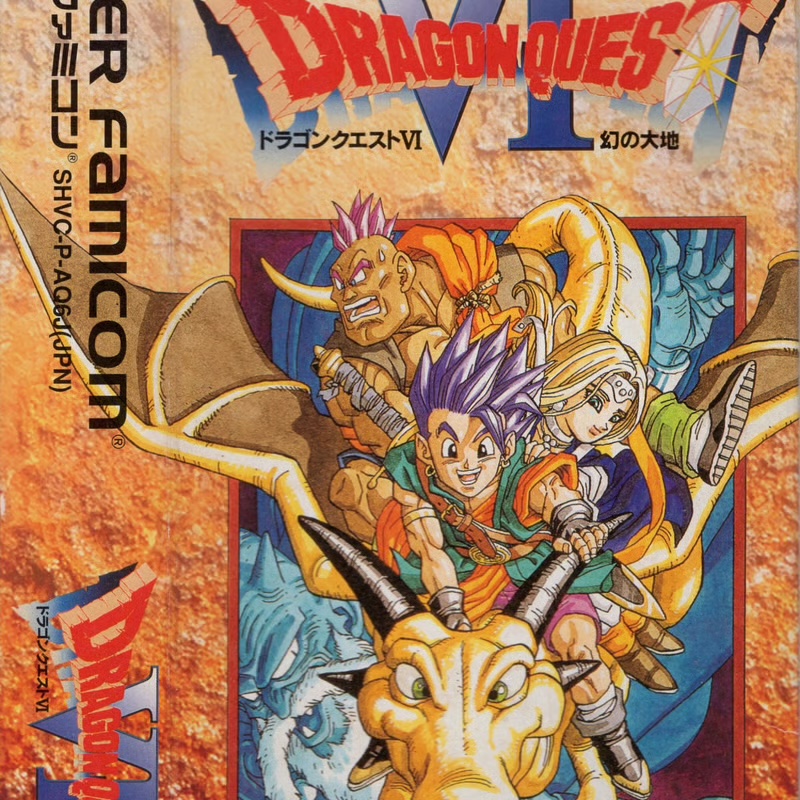
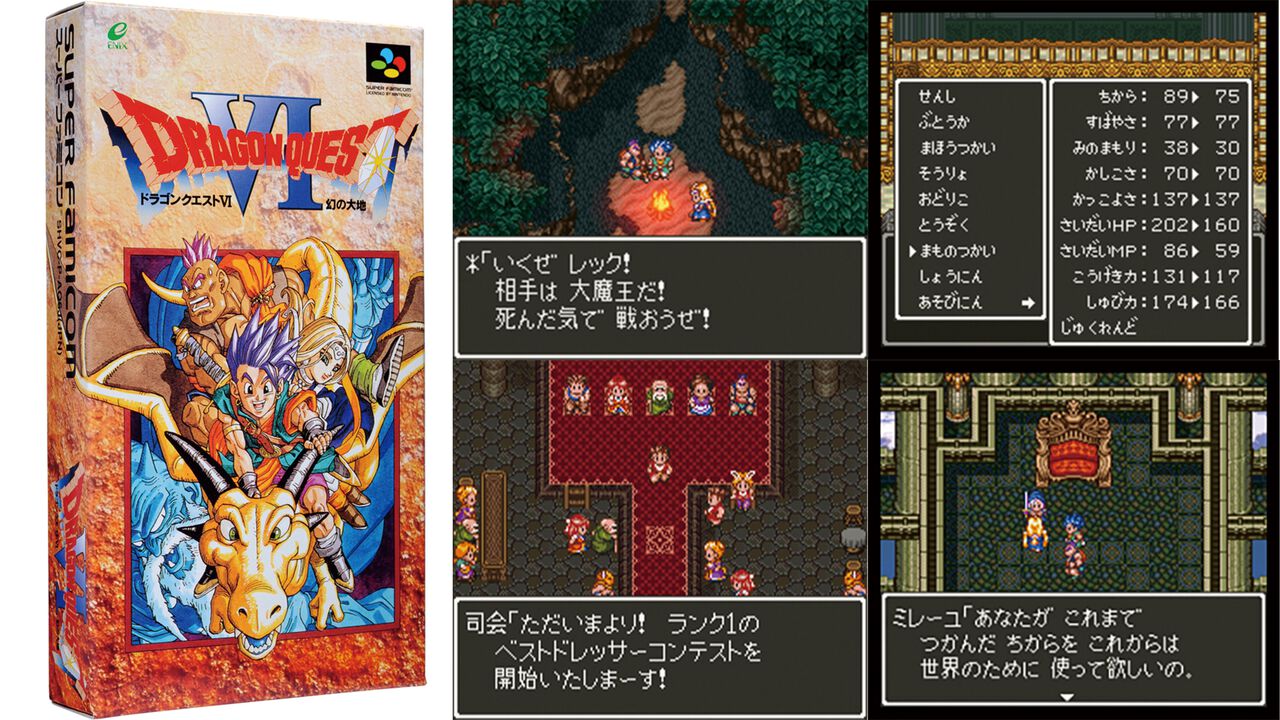
Dragon Quest VI: Realms of Revelation celebrates its 30th anniversary on December 9, 2025, marking three decades since the game launched on Super Famicom in Japan. Known in Japan as Maboroshi no Daichi (Phantom Land), the game concluded one of the most beloved trilogies in JRPG history.
The Zenithian Trilogy Concludes
Dragon Quest VI serves as the grand finale to the Zenithian trilogy (Dragon Quest IV, V, and VI), though chronologically it takes place first in the timeline. The trilogy gets its name from Zenithia, a legendary castle in the sky that connects all three games through lore and lineage.
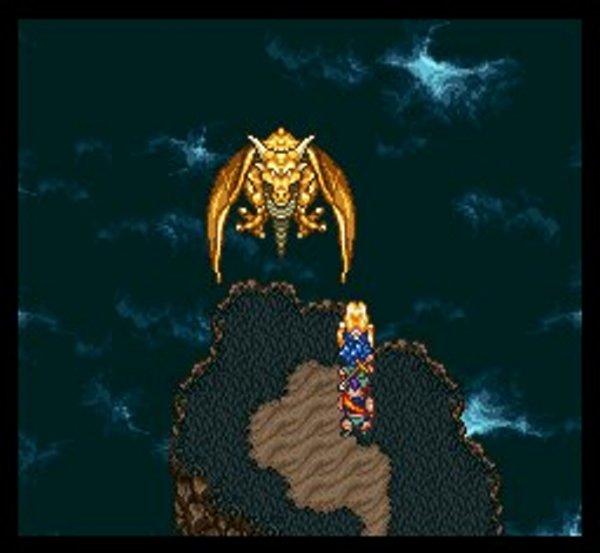
The game introduced players to a world split between reality and dreams, a dual-world mechanic where the protagonist discovers his "real" self is actually living in the Dream World, while his dream self exists in the Real World. This mind-bending narrative twist was revolutionary for its time.
Revolutionary Job System
Dragon Quest VI introduced a comprehensive vocation system that would influence the entire series going forward. Unlike previous games where characters had fixed roles, DQ6 let any character master multiple jobs and combine their skills.
Players could train as Warriors, Mages, Priests, Martial Artists, and more, eventually unlocking advanced vocations like Hero, Paladin, and Sage by mastering prerequisite classes. This system gave players unprecedented freedom in party customization.
Monster Recruitment Returns
Building on Dragon Quest V's groundbreaking monster-taming mechanics, DQ6 allowed players to recruit defeated monsters as party members. Slimes, Hacksauruses, and dozens of other creatures could join your party, each with unique abilities and growth potential.
This feature predated Pokemon by four years and would eventually spawn the massively popular Dragon Quest Monsters spin-off series, proving that monster collecting had mainstream appeal.
Critical Acclaim
Famitsu awarded Dragon Quest VI scores of 9, 10, 9, and 8 out of 10 from their panel of reviewers, totaling 36/40. The game became one of the highest-rated titles of 1992 in Japan, alongside Shin Megami Tensei.
Sales exceeded expectations, with the Super Famicom version moving over 3.2 million copies in Japan alone, cementing its status as one of the era's must-play RPGs.
The Long Road West
Unlike Dragon Quest IV and V which eventually received localized releases, Dragon Quest VI remained Japan-exclusive for 15 years. Western fans had to wait until the Nintendo DS remake in 2010 to experience the game officially.
The DS version featured updated graphics, a revised translation, and quality-of-life improvements while maintaining the classic gameplay. Today, the game is also available on iOS and Android for modern players.
Legacy
Dragon Quest VI's influence extends far beyond its own trilogy. The vocation system inspired similar mechanics in Dragon Quest VII and IX. Character Terry became so popular he starred in his own spin-off, Dragon Quest Monsters, which launched an entire sub-franchise.
Thirty years later, Dragon Quest VI remains a testament to Yuji Horii's storytelling ambition and Akira Toriyama's iconic character designs, a fitting conclusion to the Zenithian saga.
| Detail | Info |
| JP Title | ドラゴンクエストVI 幻の大地 |
| EN Title | Dragon Quest VI: Realms of Revelation |
| Original Release | December 9, 1995 |
| Platform | Super Famicom |
| Developer | Heartbeat, Chunsoft |
| Publisher | Enix |
| DS Remake | January 28, 2010 (JP) / February 14, 2011 (NA) |
| Mobile | iOS, Android |
For more JRPG content, see our Final Fantasy V anniversary retrospective.
Gallery
Get Gaming News and Features First
Stay updated with the latest gaming news and exclusive content.