Final Fantasy Turns 38: How a Last-Ditch Effort Became Gaming's Greatest RPG Legacy
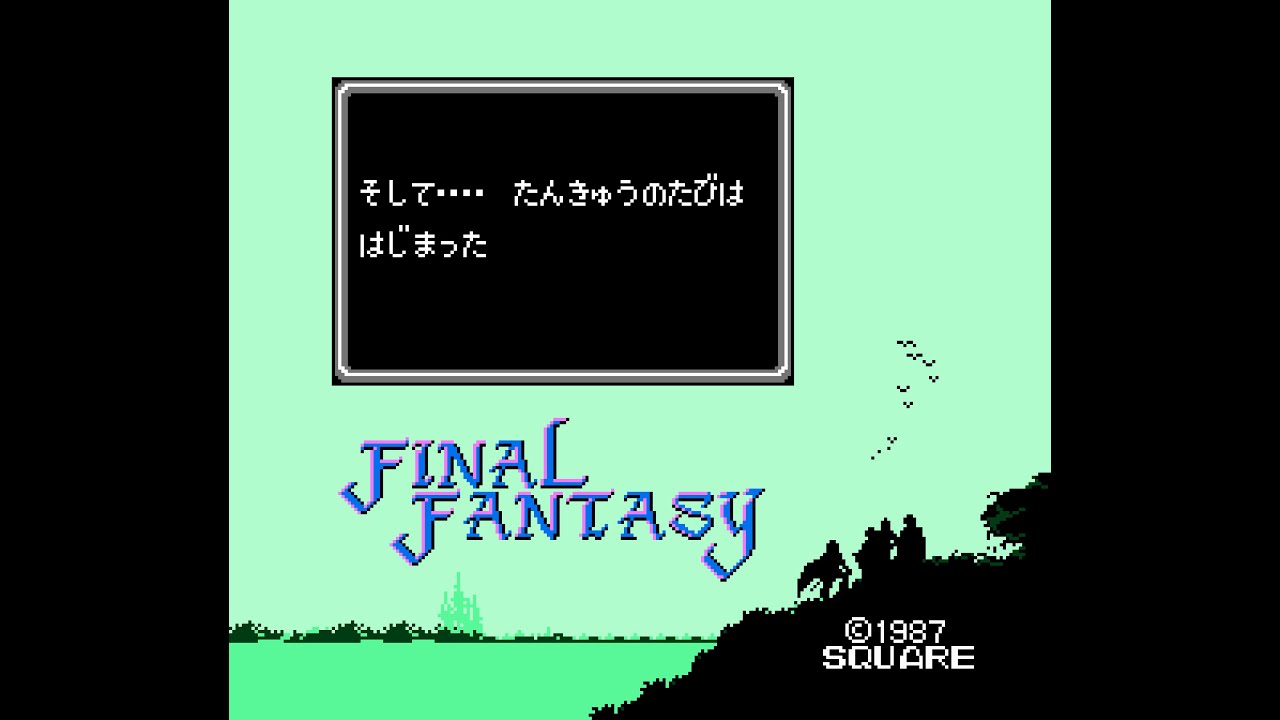
On December 18, 1987, Hironobu Sakaguchi released what he thought would be his final game. 38 years later, Final Fantasy has become gaming's greatest RPG franchise.
A Name Born from Desperation
The origins of Final Fantasy's iconic title are far less romantic than the myth that surrounded it for decades. While fans long believed the name reflected Square's impending bankruptcy, Sakaguchi debunked this in a 2015 keynote address. The truth, he admitted, "is not actually that cool of a story."
Square wanted a title whose initials could be abbreviated pleasingly in Japanese. "FF" (pronounced "efu efu") rolled off the tongue nicely, following the trend set by Dragon Quest, which Japanese players had shortened to "Drakue." The team's original choice was Fighting Fantasy, but a British tabletop RPG series had already claimed that name. "We reluctantly went with Final Fantasy as a last resort," Sakaguchi revealed.
However, the "final" part did carry personal weight. Had the game failed, Sakaguchi planned to quit the industry and return to university. It was truly his final fantasy.
Building the Dream Team
Convincing colleagues to join what seemed like a doomed project proved challenging. Sakaguchi had earned a reputation as a "rough boss," and Square's management doubted the commercial viability of console RPGs in Japan. Only three colleagues initially volunteered for the project.
Production began in fits and starts with minimal support. But as development progressed, momentum built. Eventually, seven core staff members formed what became known internally as Square's "A-Team." This small but dedicated group would lay the foundation for what became gaming's most beloved RPG franchise.
Among the key contributors was composer Nobuo Uematsu, for whom Final Fantasy marked his 16th video game soundtrack. His work on the original game established musical themes and motifs that would echo through the series for decades. Iranian-American programmer Nasir Gebelli handled the technical implementation, while artist Yoshitaka Amano created the game's distinctive visual identity.
Breaking Convention
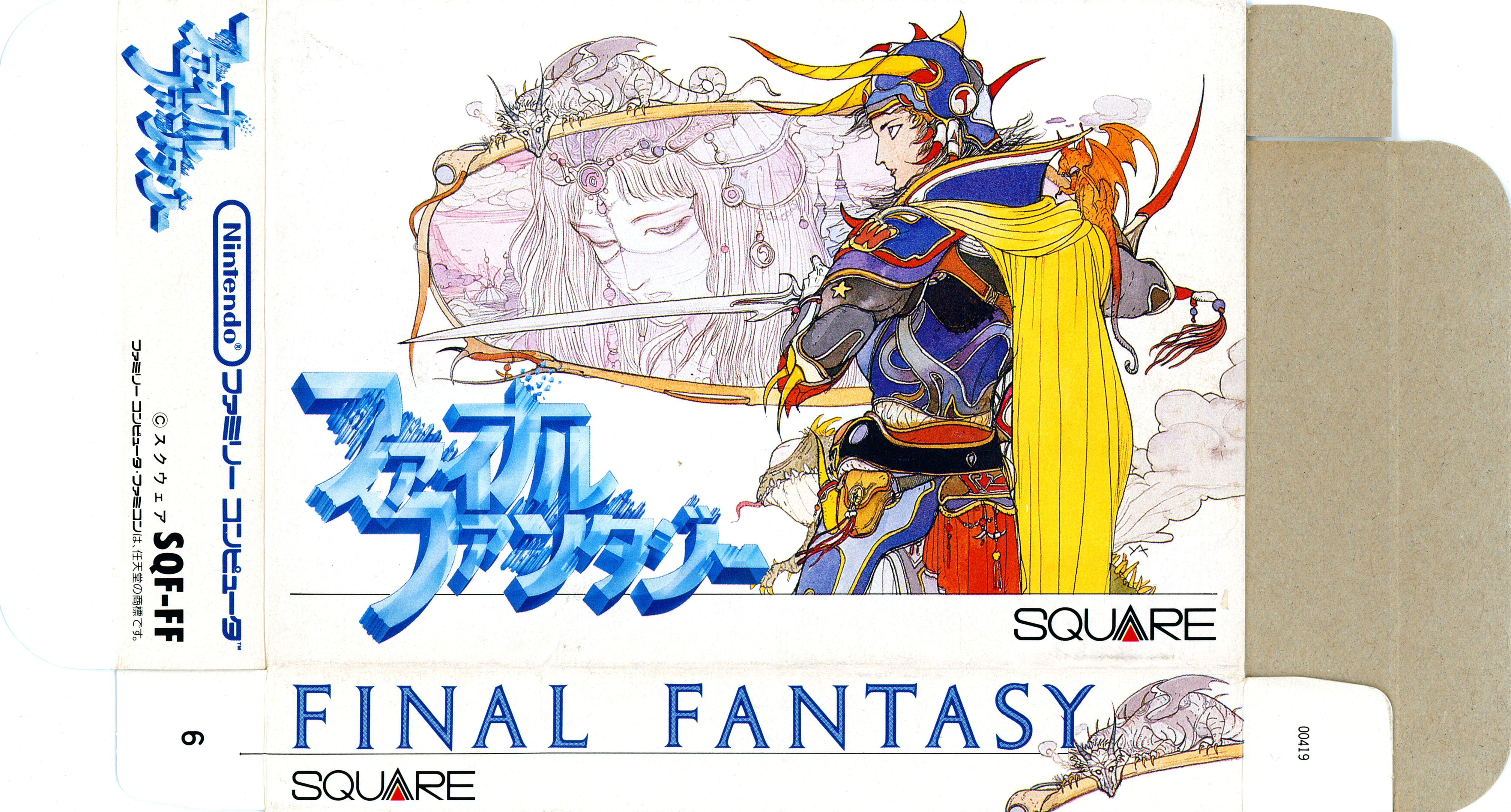
Amano's package design for Final Fantasy immediately set it apart from other Famicom titles. Rather than depicting the protagonist facing forward in traditional heroic pose, he rendered the warrior in profile, gazing toward an uncertain horizon. This unconventional choice reflected the game's more contemplative, narrative-driven approach to the genre.
Sakaguchi drew inspiration from multiple sources: Enix's Dragon Quest for its accessible RPG mechanics, Nintendo's The Legend of Zelda for its sense of adventure, and Origin Systems' Ultima for its deeper storytelling ambitions. The result synthesized the best elements of each into something distinctly new.
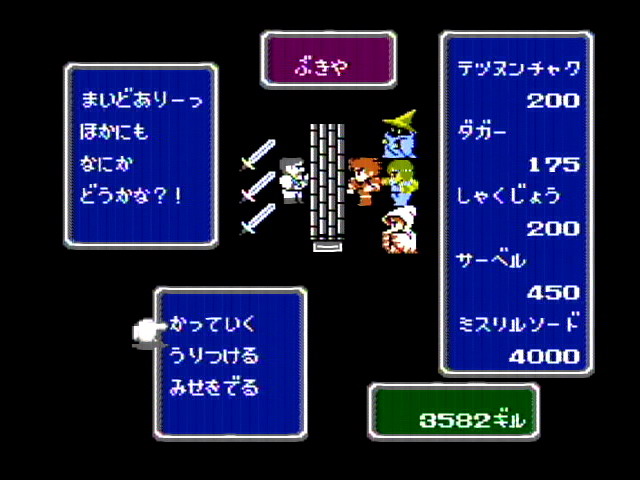
The game introduced a job system featuring six character classes: Warrior, Thief, Monk, and three magic-wielding variants (White Mage, Black Mage, and Red Mage). Players assembled parties of four heroes and guided them through an epic quest to restore light to darkened crystals. This crystal motif would become one of the series' most enduring symbols.
The Bridge to Immortality
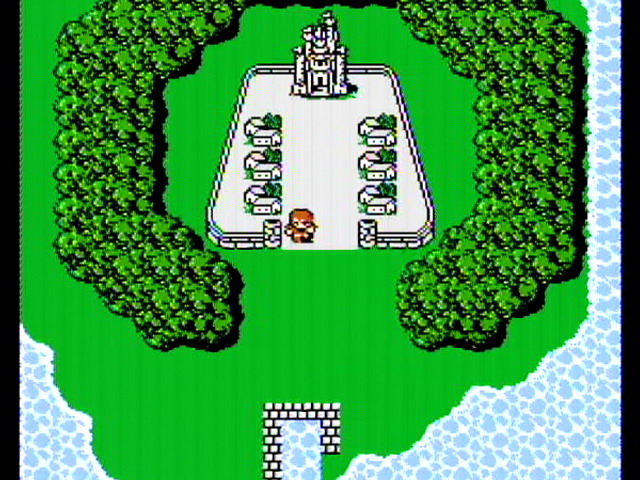
One scene from the original Final Fantasy became so iconic that it continues to resonate across the franchise nearly four decades later. After defeating the boss Garland and crossing a bridge into unknown territory, players experienced a dramatic opening sequence that recontextualized everything that came before.
This moment, where the true scope of the adventure revealed itself, created a template for dramatic storytelling that Final Fantasy would refine throughout its history. The bridge crossing was later referenced in Dissidia Final Fantasy and World of Final Fantasy, cementing its status as a defining franchise moment.
The game also featured Bahamut, the dragon king who would become one of the most recognizable summons in RPG history. His appearance here, years before his starring roles in later installments, established a tradition of powerful summonable creatures that became a Final Fantasy hallmark.
Against All Odds
Square initially planned to manufacture just 200,000 copies of Final Fantasy. Sakaguchi pleaded with management to increase the print run to 400,000, arguing that they needed strong sales to justify a sequel. The company agreed, and the gamble paid off spectacularly.
The original Famicom version shipped 520,000 copies in Japan, far exceeding expectations. The game reached North American shores in 1990, introducing Western audiences to Japanese RPG conventions that would shape the genre's global development. Final Fantasy's success transformed Square from a struggling developer into an industry powerhouse.
Sakaguchi went on to direct the next four numbered entries in the series between 1988 and 1992, each building upon the foundation established by the original. The franchise has since expanded to encompass over 100 titles across mainline entries, spin-offs, and related media.
Playing History Today
Modern players can experience the game that started it all through the Pixel Remaster version, now available on Nintendo Switch, PlayStation 4, Xbox Series X|S, PC, and mobile platforms. The remaster preserves the original's charm while adding quality-of-life improvements like diagonal movement, dashing, and auto-battle features.
Thirty-eight years after its release, Final Fantasy stands as testament to what creative vision and determination can achieve. What began as one man's farewell to an industry became the cornerstone of an entertainment empire that has touched millions of lives worldwide.
| EN Title | Final Fantasy |
| JP Title | ファイナルファンタジー |
| Original Release | December 18, 1987 |
| Platform | Famicom (NES) |
| Developer | Square |
| Director | Hironobu Sakaguchi |
For more classic JRPG retrospectives, see Secret of Mana and Dragon Quest V.\n\nThirty-eight years ago today, a young game designer at Square made a desperate gamble. Hironobu Sakaguchi, frustrated by a string of commercially unsuccessful projects, decided to create one last game before abandoning the video game industry entirely. That game was Final Fantasy, and its release on December 18, 1987, would fundamentally reshape the landscape of role-playing games forever.
Get Gaming News and Features First
Stay updated with the latest gaming news and exclusive content.