Battle Arena Toshinden Celebrates 30 Years of Weapons-Based 3D Combat
Battle Arena Toshinden turns 30. Tamsoft's 1995 PS1 fighter introduced 3D sidestep mechanics and weapons-based combat. Launch title for North America and Europe.
A New Era of Fighting Games
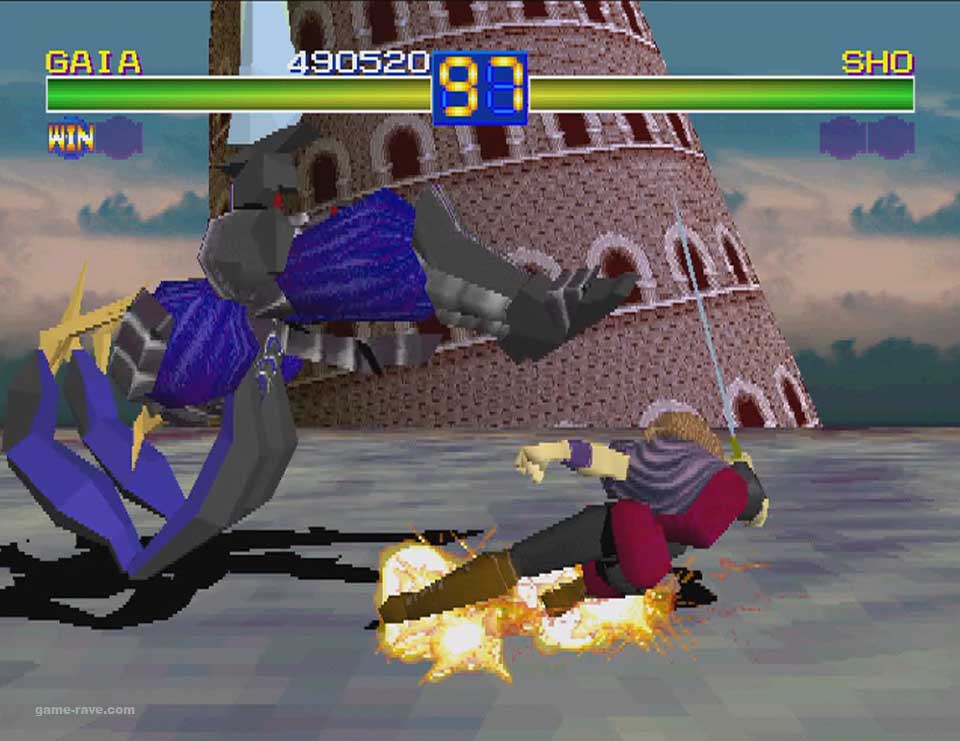
When Toshinden hit the market, it served as a technological showcase for Sony's new hardware. At a time when most fighting games were still sprite-based affairs, Toshinden presented players with fully 3D polygonal characters wielding an array of deadly weapons. The visuals were unlike anything console players had experienced, with characters that moved fluidly through three-dimensional arenas complete with walls and environmental hazards.
The game introduced the revolutionary sidestep mechanic, allowing fighters to dodge into and out of the screen. This simple addition transformed combat strategy, as players could evade attacks and reposition for counterstrikes in ways that traditional 2D fighters never allowed. The mechanic would go on to influence countless 3D fighters that followed.
The Original Fighters
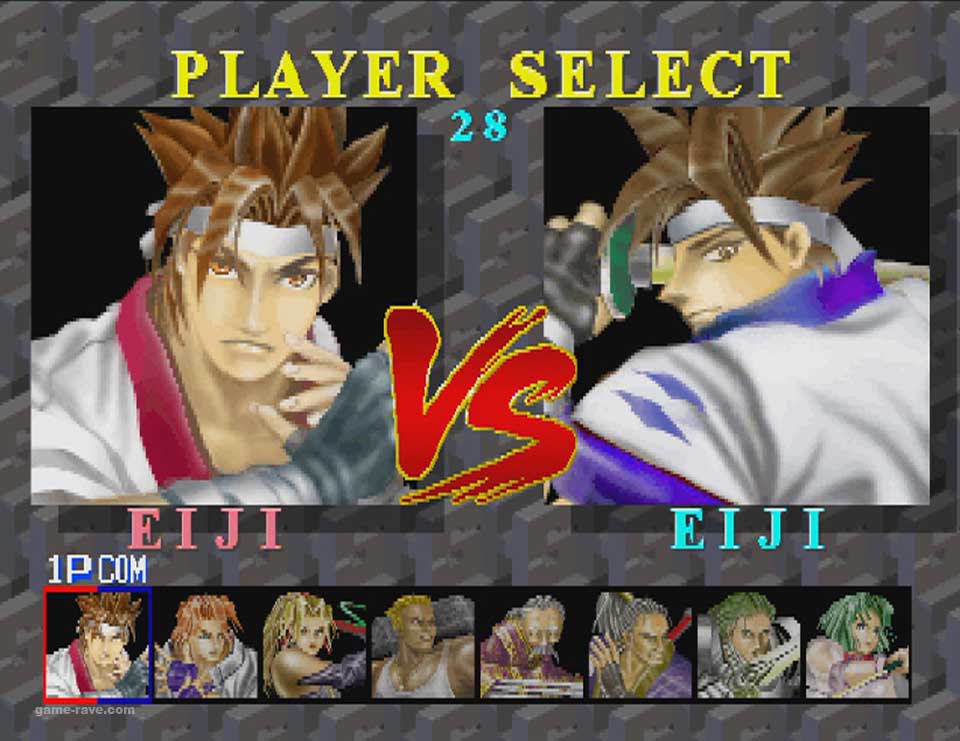
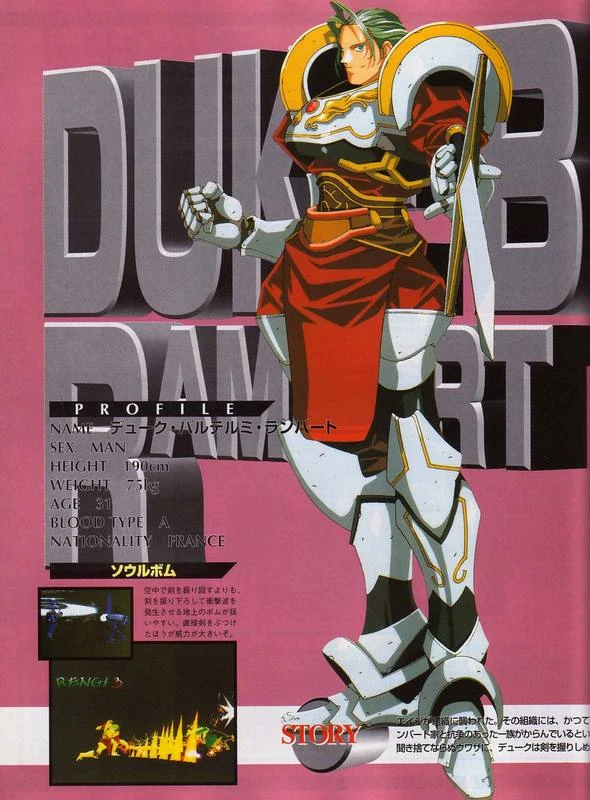
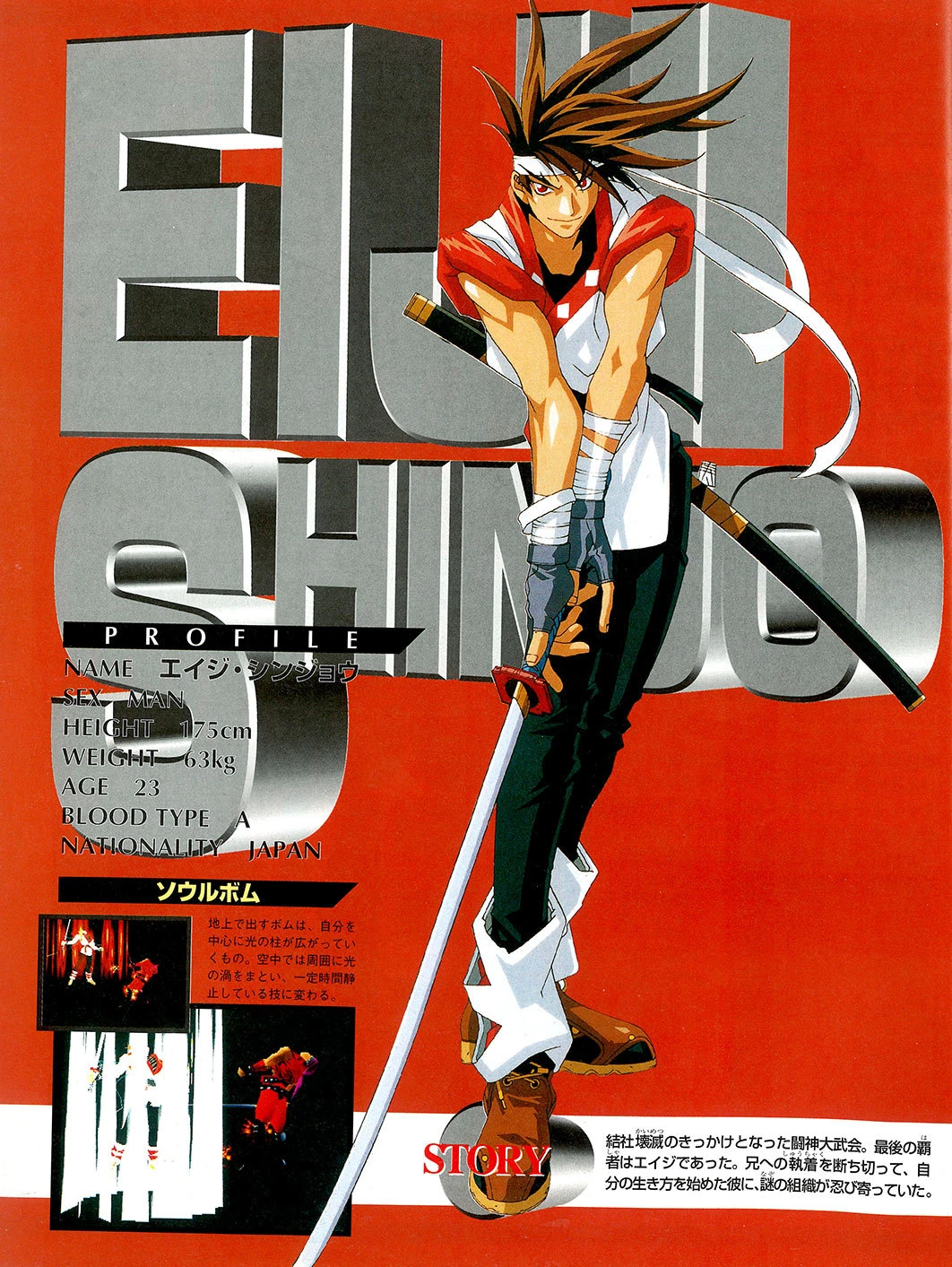
The original roster featured eight distinct warriors, each wielding signature weapons that defined their fighting styles. Eiji Shinjo, the game's protagonist, became the face of the franchise with his Japanese longsword techniques. His rivalry with the mysterious Gaia drove much of the game's storyline.
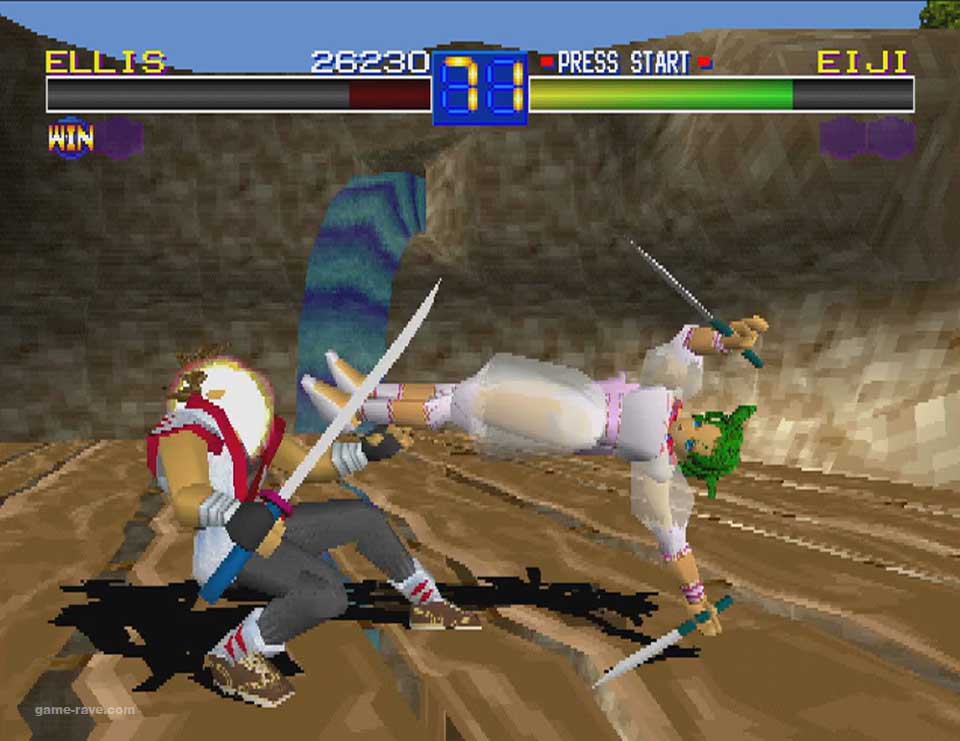
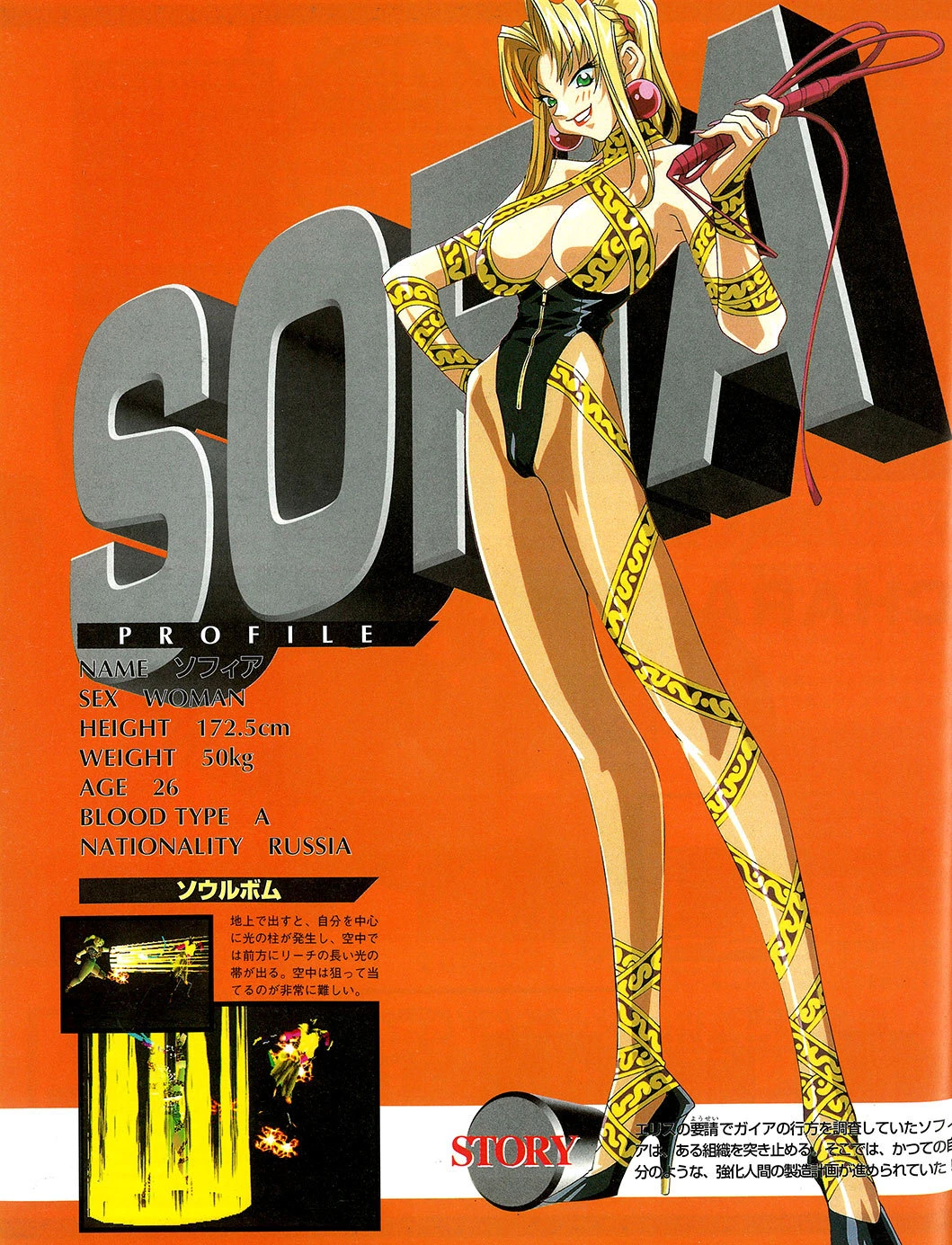
Sofia was among the most popular characters, wielding a whip with deadly precision. Her agile fighting style and striking design made her a fan favorite that would appear throughout the series. Other fighters included Duke B. Rambert, the French knight with his broadsword, Rungo Iron the heavy-hitting American miner with his massive weapon, and the nimble Ellis wielding her twin dirks.
Two hidden boss characters, Gaia and Sho, added depth for players who mastered the roster. Unlocking these fighters required skill and dedication, adding replay value that kept players coming back.
Technical Marvel of 1995
For an early PlayStation title, Toshinden pushed the hardware impressively. The game ran at a smooth 30 frames per second with detailed character models that showed off the console's 3D capabilities. Special moves created flashy effects that lit up the arenas, from Eiji's energy slashes to Sofia's electrified whip attacks.
The soundtrack delivered pulse-pounding themes that matched each fighter's personality and origin, with Yasuhiro Nakano and Makoto Mukai's compositions becoming instantly memorable. The voice acting, though limited by the era's technology, added personality to each combatant.
Legacy and Influence
Battle Arena Toshinden spawned multiple sequels across various platforms, with Toshinden 2 refining the formula and Toshinden 3 expanding the roster significantly. The franchise also ventured into anime with an OVA adaptation in 1996 that brought the characters to life outside the gaming world.
While the series eventually faded as competitors like Tekken and Soul Calibur dominated the 3D fighter landscape, Toshinden's influence remains undeniable. It proved that console hardware could deliver arcade-quality 3D experiences and established mechanics that became genre standards.
Thirty Years Later
Today, Battle Arena Toshinden stands as a time capsule of gaming's pivotal transition into three dimensions. For players who experienced that era in 1995, the memories of first seeing those polygonal fighters clash remain vivid. The game represented possibility, showing that gaming's future would be built in fully realized 3D worlds.
As we mark this 30th anniversary, Battle Arena Toshinden deserves recognition for its role in shaping the fighting game genre and demonstrating what the PlayStation could achieve. It may have been eclipsed by later titles, but its place in gaming history remains secure. For more retro gaming deep-dives, explore Secret of Mana.
| Title (EN) | Battle Arena Toshinden |
| Title (JP) | 闘神伝 |
| Release Date | January 1, 1995 (JP) |
| Platform | PlayStation |
| Developer | Tamsoft |
| Publisher | Takara |
Thirty years ago today, on January 1, 1995, Battle Arena Toshinden arrived on Sony's PlayStation in Japan, quickly becoming one of the console's must-have fighting games. Developed by Tamsoft and published by Takara, this weapons-based 3D fighter helped define what next-generation gaming could look like and remains a beloved milestone for fighting game enthusiasts. For more gaming anniversaries, see BlazBlue's 17th anniversary celebration. While the PlayStation had launched in Japan on December 3, 1994, Toshinden would go on to serve as a launch title when the console reached North America and Europe in September 1995.
Gallery
Get Gaming News and Features First
Stay updated with the latest gaming news and exclusive content.